
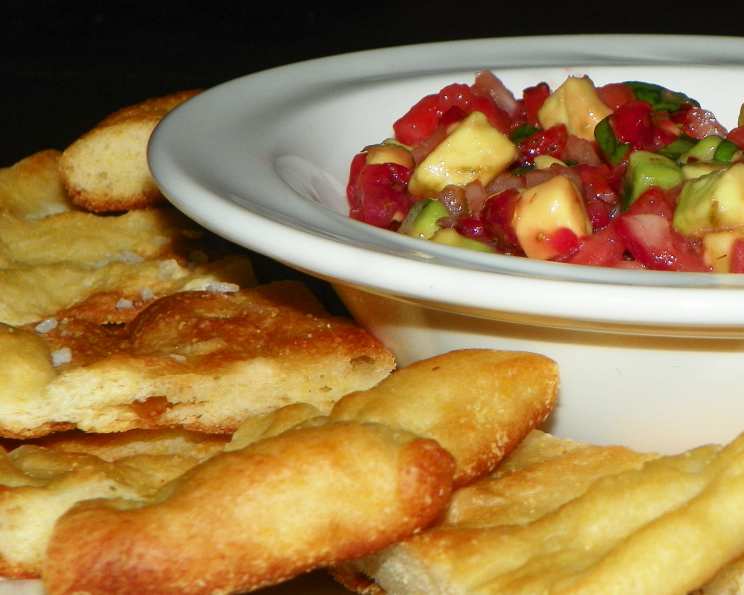
The Perfect Homemade Flatbread: A Chef’s Guide
My grandmother, Nonna Emilia, made the best flatbread I’ve ever tasted. Her tiny kitchen, perpetually warm from the wood-fired oven, always smelled of rising dough and toasted cornmeal. I remember standing on a stool, watching her deft hands stretch and shape the dough with seemingly effortless grace, the rhythmic thwack of the dough against the wooden counter a familiar and comforting sound. The flatbread, blistered and slightly charred, was always torn into pieces and shared, a symbol of family and the simple joy of good food. Recreating that magic in my own kitchen is always a pleasure.
Recipe Overview
- Prep Time: 25 minutes
- Cook Time: 13-15 minutes
- Total Time: 45 minutes (plus 1 hour rising)
- Servings: 4
- Yield: 4 flatbreads
- Dietary Type: Vegetarian (easily adaptable to vegan)
Ingredients
- 1 cup boiling water
- 1/3 cup yellow cornmeal
- 2 1/4 teaspoons active dry yeast
- 1/4 cup warm water (100 degrees – 110 degrees)
- 2 cups all-purpose flour (or 2 1/4 cups if using whole-grain cornmeal)
- 1/2 teaspoon salt
- 2 teaspoons olive oil
- Cooking spray
- 1 tablespoon yellow cornmeal, divided
Equipment Needed
- Large Bowl
- Small Bowl
- Food Processor (optional, can be done by hand)
- Dry Measuring Cups
- Liquid Measuring Cup
- Baking Sheets
- Rolling Pin
Instructions
- Begin by preparing the cornmeal mixture. In a large bowl, combine the boiling water and 1/3 cup of yellow cornmeal. Stir occasionally for about 20 minutes. This step allows the cornmeal to soften and hydrate, which will contribute to a pleasantly chewy texture in the final flatbread.
- While the cornmeal mixture rests, activate the yeast. In a small bowl, dissolve the active dry yeast in the warm water (make sure it’s between 100 and 110 degrees Fahrenheit—too hot, and you’ll kill the yeast; too cold, and it won’t activate). Let it stand for 5 minutes, or until it becomes foamy. This indicates that the yeast is alive and ready to leaven the dough.
- Measure the flour accurately. Lightly spoon the all-purpose flour into dry measuring cups, and level with a knife. This ensures you’re not packing too much flour, which can result in a dense flatbread. Note: If you use whole-grain cornmeal, which still contains some of the hull and germ of the dried corn, you will need to increase the flour to 2 1/4 cups.
- Combine the wet and dry ingredients. In a food processor (or a large bowl if preparing by hand), combine the cornmeal mixture, flour, and salt. Pulse 4 times in the food processor or stir well by hand, until blended.
- Add the yeast mixture and olive oil. With the processor on, slowly add the yeast mixture and olive oil through the food chute. Process until the dough forms a ball. Process for one additional minute. (If preparing by hand, add the yeast mixture and oil, stirring well.).
- Knead the dough. Turn the dough out onto a lightly floured surface, and knead lightly 4 or 5 times. The dough will feel slightly tacky, which is normal.
- First Rise. Place the dough in a bowl coated with cooking spray, turning to coat the top. Cover the bowl and let it rise in a warm place (around 85 degrees Fahrenheit), free from drafts, for 1 hour or until doubled in size. You can create a warm environment by placing the bowl in a slightly warmed oven (turned off!) or near a warm stovetop. To test if it’s ready, press two fingers into the dough. If the indentation remains, the dough has risen enough.
- Punch down the dough. After the first rise, gently punch down the dough to release the air. Cover it and let it rest for 5 minutes. This step helps to relax the gluten and makes the dough easier to work with.
- Divide and shape. Divide the dough into 4 equal portions, shaping each into a ball. Cover the remaining dough while you work to prevent it from drying out.
- Roll the flatbreads. Roll each ball into a 10 x 6 inch oval using a rolling pin. Aim for a relatively thin, even thickness.
- Prepare the baking sheets. Place 2 ovals on a baking sheet lightly dusted with 1 1/2 teaspoons of cornmeal. Repeat the procedure with the remaining 2 ovals on an additional baking sheet lightly dusted with 1 1/2 teaspoons of cornmeal. The cornmeal prevents the flatbreads from sticking and adds a nice texture to the bottom.
- Add Toppings & Bake. Add toppings and bake according to recipe directions (see recipe for Zucchini, Walnut, and blue cheese flatbread and mushroom, onion and cherry tomato flatbread recipes). Typically, flatbreads are baked in a preheated oven at 475°F (246°C) for 13-15 minutes, or until golden brown and slightly blistered.
Expert Tips & Tricks
- Don’t Overwork the Dough: Over-kneading can lead to a tough flatbread. Knead just enough to bring the dough together.
- Warm Environment for Rising: If you don’t have a warm spot, preheat your oven to the lowest setting, then turn it off. Place the dough inside the warm oven (make sure it’s off!) to rise.
- Pre-Baking the Dough: If you want to get ahead, you can pre-bake the flatbread dough for about 5 minutes, then add your toppings and finish baking later.
- Experiment with Flavors: Add herbs like rosemary, thyme, or oregano to the dough for extra flavor.
Serving & Storage Suggestions
Serve the flatbreads immediately after baking for the best flavor and texture. They can be served whole, or torn into smaller pieces and shared. Store leftover flatbreads in an airtight container at room temperature for up to 2 days, or in the refrigerator for up to 5 days. To reheat, wrap the flatbread in foil and warm it in a preheated oven at 350°F (175°C) for a few minutes, or toast it lightly in a toaster oven. You can also freeze the flatbreads for up to 2 months. Wrap them tightly in plastic wrap and then in foil to prevent freezer burn.
Nutritional Information
| Nutrient | Amount per Serving | % Daily Value |
|---|---|---|
| Calories | 298.4 kcal | N/A |
| Calories from Fat | 31 g | 10% |
| Total Fat | 3.5 g | 5% |
| Saturated Fat | 0.5 g | 2% |
| Cholesterol | 0 mg | 0% |
| Sodium | 299.6 mg | 12% |
| Total Carbohydrate | 57.9 g | 19% |
| Dietary Fiber | 3.2 g | 12% |
| Sugars | 0.2 g | 1% |
| Protein | 8.3 g | 16% |
Variations & Substitutions
- Gluten-Free: Use a gluten-free all-purpose flour blend in place of the regular flour.
- Vegan: This recipe is already vegan, but ensure your toppings are also vegan.
- Herbed Flatbread: Add a tablespoon of chopped fresh herbs (rosemary, thyme, oregano) to the dough when kneading.
- Sweet Flatbread: Brush the baked flatbread with honey and sprinkle with cinnamon sugar for a simple dessert.
FAQs (Frequently Asked Questions)
Q: Can I use instant yeast instead of active dry yeast?
A: Yes, you can. If using instant yeast, you can add it directly to the dry ingredients without activating it in water first. Use the same amount (2 1/4 teaspoons).
Q: My dough didn’t rise properly. What could be the reason?
A: Several factors can affect the rise. The yeast might be old or inactive, the water might have been too hot (killing the yeast), or the environment might have been too cold.
Q: Can I make the dough ahead of time and store it in the refrigerator?
A: Yes, you can make the dough ahead of time. After the first rise, punch down the dough, wrap it tightly in plastic wrap, and store it in the refrigerator for up to 24 hours. Let it come to room temperature before rolling out and baking.
Q: My flatbread is too tough. What did I do wrong?
A: Over-kneading or using too much flour can result in a tough flatbread. Be sure to measure the flour accurately and knead the dough just until it comes together.
Q: What are some topping ideas for flatbread?
A: The possibilities are endless! Try classic combinations like tomato, mozzarella, and basil; or experiment with roasted vegetables, cheeses, herbs, and meats. Get creative with your favorite flavors!
Final Thoughts
This flatbread recipe is more than just a set of instructions; it’s an invitation to create something delicious and share it with loved ones. It’s a blank canvas for your culinary imagination. So, gather your ingredients, embrace the process, and create a flatbread masterpiece that will become a cherished tradition in your own kitchen. And don’t be afraid to experiment! Let me know what unique toppings you come up with – I’m always eager to hear about new flavor combinations. Buon appetito!