
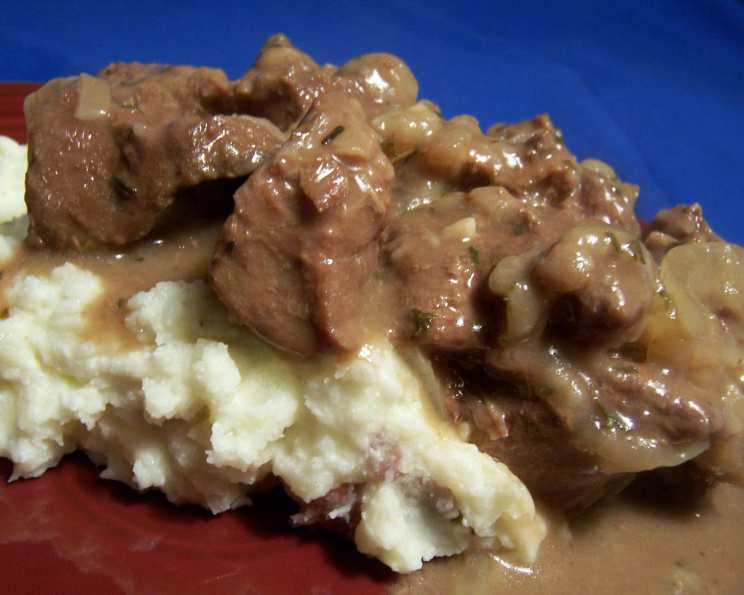
Flemish Beef Stew: A Taste of Home
The aroma alone transports me back to my childhood kitchen. Rain pattered against the windowpane, a comforting rhythm accompanying the savory scent of slowly simmering beef. My mother, humming softly, would stir a pot much like this one, its rich, dark gravy promising warmth and contentment. This Flemish Beef Stew, a recipe passed down through generations, isn’t just a meal; it’s a hug in a bowl, a culinary embodiment of love and tradition. It’s time to share this treasured recipe with you, so you can bring a taste of home to your own table.
Recipe Overview
- Prep Time: 20 minutes
- Cook Time: 1 hour 30 minutes to 2 hours
- Total Time: 1 hour 50 minutes to 2 hours 20 minutes
- Servings: 4-6
- Yield: 1 large casserole
- Dietary Type: Not Gluten-Free, Not Dairy-Free
Ingredients
- 2 lbs rump roast or 2 lbs round roast, cut into 1-inch cubes
- 3 tablespoons cooking oil
- 2 cloves garlic, minced
- 1 tablespoon parsley flakes
- 1/4 teaspoon dried thyme
- 1/4 teaspoon dried marjoram
- 1 large onion, sliced
- 1/4 cup flour
- 1 (12 ounce) bottle beer (a dark ale like a Belgian Dubbel or a stout works best)
- 1 beef bouillon cube, dissolved in 1/2 cup water
- 2 tablespoons brown sugar
- 1 bay leaf
Equipment Needed
- Large skillet or Dutch oven
- Oven-proof casserole dish
Instructions
- Begin by preparing your beef. Pat the beef cubes dry with paper towels. This crucial step ensures a proper sear, which develops deep, savory flavors.
- Heat the cooking oil in a large skillet or Dutch oven over medium-high heat. Once the oil is shimmering, carefully add the beef cubes in batches, being careful not to overcrowd the pan. Overcrowding will cause the beef to steam instead of sear. Brown the beef cubes on all sides until deeply colored. Remove the browned beef from the skillet and set aside.
- Add the sliced onion to the skillet and cook until softened and translucent, about 5-7 minutes. Then, add the minced garlic and saute for another minute until fragrant, being careful not to burn the garlic.
- Stir in the flour into the onion and garlic mixture. Cook for about 1-2 minutes, stirring constantly, to create a roux. This will help thicken the stew.
- Transfer the browned beef, onion, and garlic mixture to an oven-proof casserole dish.
- Add the parsley flakes, dried thyme, dried marjoram, brown sugar, and bay leaf to the casserole dish.
- Now, deglaze the skillet. Pour the beer into the skillet, scraping up any browned bits from the bottom of the pan. This fond is packed with flavor and will add depth to the stew. Add the beef bouillon (beef bouillon cube dissolved in water) to the beer in the skillet. Bring the mixture to a simmer.
- Pour the beer and bouillon mixture over the beef mixture in the casserole dish. Ensure the beef is mostly submerged in the liquid.
- Cover the casserole dish and bake in a preheated 350 degree F (175 degrees C) oven for 1 1/2 to 2 hours, or until the beef is very tender and easily shredded with a fork. Check the stew halfway through cooking and add more water or beef broth if needed to keep the beef submerged.
- Remove the bay leaf before serving.
Expert Tips & Tricks
- Browning the Beef: Don’t skip the browning step! This is crucial for developing a rich, deep flavor in the stew. Make sure your pan is hot and don’t overcrowd it.
- Beer Selection: While any beer will technically work, using a flavorful dark ale, such as a Belgian Dubbel or a stout, will impart a richer, more complex flavor to the stew. Avoid light lagers, which won’t add much flavor.
- Low and Slow: The key to tender beef is low and slow cooking. Don’t rush the cooking process. The longer the stew simmers, the more tender and flavorful the beef will become.
- Thickening the Stew: If your stew isn’t thick enough after cooking, you can mix a tablespoon of cornstarch with a tablespoon of cold water to form a slurry. Stir the slurry into the stew and simmer for a few minutes until thickened.
- Make Ahead: This stew is even better the next day! The flavors meld together and deepen overnight. You can make the stew a day or two in advance and store it in the refrigerator.
- Adjust Seasoning: Taste the stew towards the end of cooking and adjust the seasoning as needed. You may need to add more salt, pepper, or brown sugar to balance the flavors.
Serving & Storage Suggestions
Serve the Flemish Beef Stew hot over hot cooked noodles or mashed potatoes. Garnish with fresh parsley, if desired. A crusty bread is perfect for sopping up the delicious gravy.
Leftover stew can be stored in an airtight container in the refrigerator for up to 3-4 days. For longer storage, freeze the stew in freezer-safe containers for up to 2-3 months. Thaw the stew overnight in the refrigerator before reheating.
To reheat, gently simmer the stew on the stovetop over low heat, stirring occasionally, until heated through. You can also reheat the stew in the microwave, but be sure to cover it to prevent splattering.
Do not leave the stew at room temperature for longer than 2 hours.
Nutritional Information
Please note that this is an estimate and can vary based on specific ingredients used.
| Nutrient | Amount per Serving | % Daily Value |
|---|---|---|
| Calories | 550 kcal | 28% |
| Total Fat | 30g | 46% |
| Saturated Fat | 12g | 60% |
| Cholesterol | 120mg | 40% |
| Sodium | 400mg | 17% |
| Total Carbohydrate | 25g | 8% |
| Dietary Fiber | 2g | 8% |
| Sugars | 10g | – |
| Protein | 40g | 80% |
Variations & Substitutions
- Gluten-Free: To make this stew gluten-free, use a gluten-free flour blend in place of the all-purpose flour. You can also use a cornstarch slurry to thicken the stew at the end of cooking.
- Vegetarian/Vegan: While this is a beef stew, you could try a vegetarian version using hearty mushrooms like cremini or portobello in place of the beef. Use vegetable broth instead of beef bouillon.
- Spice it Up: Add a pinch of red pepper flakes or a dash of hot sauce for a little kick.
- Root Vegetables: Incorporate other root vegetables like carrots, parsnips, or potatoes for added flavor and heartiness. Add them to the casserole dish along with the beef.
- Wine Instead of Beer: If you don’t have beer on hand, you can substitute with an equal amount of red wine. Choose a dry red wine like a Cabernet Sauvignon or Merlot.
FAQs (Frequently Asked Questions)
Q: Can I use a different cut of beef?
A: While rump roast or round roast are traditionally used, you can also use chuck roast, which is another affordable and flavorful option. Be sure to cut the beef into uniform cubes for even cooking.
Q: Can I make this stew in a slow cooker?
A: Yes, you can adapt this recipe for a slow cooker. Brown the beef and saute the onions and garlic as directed in the recipe. Then, transfer everything to the slow cooker and cook on low for 6-8 hours, or on high for 3-4 hours, or until the beef is tender.
Q: What if I don’t like beer?
A: If you don’t care for the taste of beer, you can substitute it with an equal amount of beef broth or red wine. The stew will still be delicious!
Q: Can I add potatoes to the stew?
A: Absolutely! Add diced potatoes to the stew along with the beef. Keep in mind that they will absorb some of the liquid, so you may need to add more broth or water.
Q: How do I know when the stew is done?
A: The stew is done when the beef is very tender and easily shredded with a fork. The gravy should also be thick and rich.
Final Thoughts
This Flemish Beef Stew is more than just a recipe; it’s a legacy. It’s a dish meant to be shared with loved ones, a symbol of warmth and comfort. I encourage you to try this recipe, adapt it to your own tastes, and create memories around your table. Whether you serve it with noodles, mashed potatoes, or a simple slice of bread, I hope this stew brings you as much joy as it has brought me and my family for generations. Don’t hesitate to share your experiences and feedback – I’d love to hear how it turns out!