
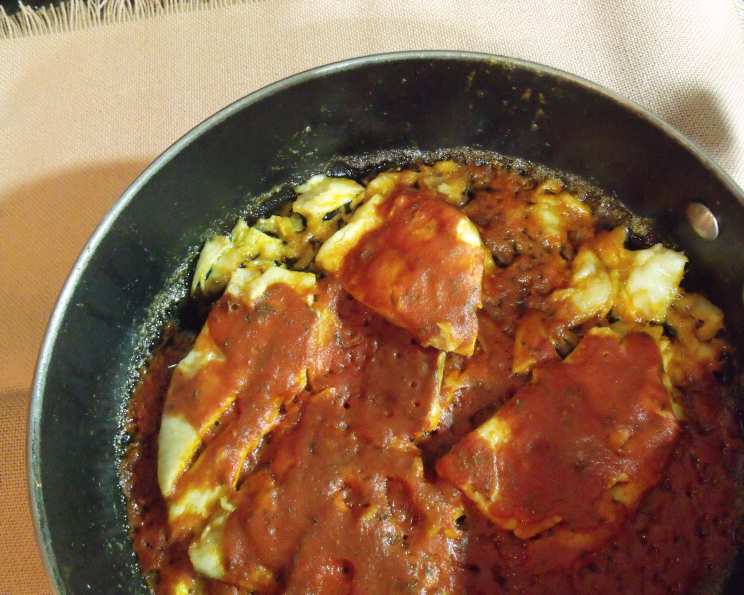
Flounder Alla Margherita: A Taste of Coastal Italy
The aroma of simmering tomato, garlic, and fresh herbs always transports me back to my nonna’s kitchen. I remember being a child, perched on a stool, watching her prepare simple yet vibrant dishes with ingredients sourced straight from her garden. This Flounder Alla Margherita evokes those cherished memories with its delicate fish bathed in a bright, flavorful tomato sauce – a true taste of rustic Italian comfort. It’s a dish that proves you don’t need a laundry list of fancy ingredients to create something truly special.
Recipe Overview
- Prep Time: 10 minutes
- Cook Time: 10 minutes
- Total Time: 20 minutes
- Servings: 4-6
- Dietary Type: Pescatarian
Ingredients
- 1/4 cup olive oil
- 1/3 cup butter (or margarine)
- 2 lbs flounder fillets (or sole)
- 1 (16 ounce) can tomato sauce
- 2 tablespoons parsley, chopped
- 1 teaspoon oregano leaves
Equipment Needed
- 12-inch skillet
- Medium bowl
Instructions
- About 20 minutes before serving, heat the olive oil and butter (or margarine) in a 12-inch skillet over medium heat. The pan should be hot, but not smoking, to ensure the fish browns properly without burning.
- Gently place the flounder fillets into the hot oil and butter mixture. Be careful not to overcrowd the pan; cook the fillets in batches if necessary to maintain even browning.
- Cook the fillets for 2-3 minutes per side, until the fish flakes easily with a fork. The exact cooking time will depend on the thickness of the fillets. The fish is done when it turns opaque and loses its translucent appearance. Avoid overcooking, as this will result in dry fish.
- While the fish is cooking, prepare the sauce. In a medium bowl, stir together the tomato sauce, chopped parsley, and oregano leaves.
- Once the fish is cooked through, pour the tomato sauce mixture over the fillets in the skillet.
- Reduce the heat to low and simmer for 5 or 6 minutes, occasionally basting the fish with the sauce. This allows the flavors to meld together and the sauce to thicken slightly. Basting ensures the fish remains moist and flavorful.
- Serve the Flounder Alla Margherita directly from the skillet for a rustic presentation. Garnish with extra fresh parsley, if desired.
Expert Tips & Tricks
- Pat the fish dry: Before searing the fish, gently pat it dry with paper towels. This helps to achieve a beautiful golden-brown crust.
- Don’t overcrowd the pan: Overcrowding lowers the pan’s temperature, leading to steamed instead of seared fish. Cook in batches if necessary.
- Use fresh herbs: Fresh parsley and oregano will elevate the flavor of the sauce. If using dried herbs, use about 1 teaspoon of dried parsley and 1/2 teaspoon of dried oregano.
- Enhance the sauce: For an extra layer of flavor, add a clove of minced garlic to the skillet along with the olive oil and butter. Sauté the garlic for about 30 seconds until fragrant before adding the fish. A pinch of red pepper flakes can also add a subtle kick.
- Wine Pairing: A dry white wine like Pinot Grigio or Sauvignon Blanc pairs beautifully with this dish.
- Thickening the Sauce: If the sauce is too thin, you can thicken it by simmering it for a few minutes longer, allowing the excess liquid to evaporate. Alternatively, mix a teaspoon of cornstarch with a tablespoon of cold water to create a slurry, then whisk it into the sauce. Simmer for a minute or two until thickened.
Serving & Storage Suggestions
Serve the Flounder Alla Margherita immediately after cooking for the best flavor and texture. It is delicious served alongside pasta, rice, or crusty bread to soak up the flavorful sauce. A simple green salad or steamed vegetables also make excellent accompaniments.
Leftovers can be stored in an airtight container in the refrigerator for up to 2 days. To reheat, gently warm the fish in a skillet over low heat or in the microwave. Be careful not to overcook the fish when reheating, as it can become dry. The fish can also be eaten cold, especially in a salad. Freezing is not recommended as the fish will become mushy.
Nutritional Information
| Nutrient | Amount per Serving | % Daily Value |
|---|---|---|
| Calories | 350 kcal | 18% |
| Total Fat | 20g | 31% |
| Saturated Fat | 10g | 50% |
| Cholesterol | 120mg | 40% |
| Sodium | 700mg | 29% |
| Total Carbohydrate | 7g | 2% |
| Dietary Fiber | 1g | 4% |
| Sugars | 5g | 10% |
| Protein | 35g | 70% |
Note: Nutritional information is an estimate and may vary based on specific ingredients and portion sizes.
Variations & Substitutions
- Other Fish: If you don’t have flounder or sole, you can substitute other mild white fish such as cod, haddock, or tilapia. Adjust cooking time as needed based on the thickness of the fillets.
- Dairy-Free: To make this dish dairy-free, simply omit the butter or substitute it with olive oil or a dairy-free butter alternative.
- Spicy Version: Add a pinch of red pepper flakes or a dash of hot sauce to the tomato sauce for a spicy kick.
- Mediterranean Twist: Add chopped Kalamata olives, capers, and a squeeze of lemon juice to the sauce for a Mediterranean-inspired flavor.
- Vegetable Additions: Incorporate vegetables like chopped bell peppers, onions, or zucchini into the sauce for added nutrients and flavor. Sauté the vegetables in the skillet before adding the tomato sauce.
- Lemon Herb Version: Instead of tomato sauce, use a mixture of lemon juice, olive oil, garlic, and fresh herbs like thyme and rosemary. This creates a lighter, more refreshing sauce.
FAQs (Frequently Asked Questions)
Q: Can I use frozen flounder fillets for this recipe?
A: Yes, you can use frozen flounder fillets. Just be sure to thaw them completely before cooking and pat them dry with paper towels to remove any excess moisture.
Q: How do I know when the flounder is cooked through?
A: The flounder is cooked through when it turns opaque and flakes easily with a fork. The internal temperature should reach 145°F (63°C).
Q: Can I make this dish ahead of time?
A: While it’s best served fresh, you can prepare the tomato sauce ahead of time and store it in the refrigerator for up to 3 days. When you’re ready to cook the fish, simply heat the sauce and add the flounder fillets.
Q: What if I don’t have fresh parsley or oregano?
A: You can substitute dried parsley and oregano. Use about 1 teaspoon of dried parsley and 1/2 teaspoon of dried oregano.
Q: Can I bake the flounder instead of cooking it in a skillet?
A: Yes, you can bake the flounder. Place the fillets in a baking dish, pour the tomato sauce over them, and bake at 375°F (190°C) for 15-20 minutes, or until the fish is cooked through.
Final Thoughts
Flounder Alla Margherita is more than just a recipe; it’s an invitation to embrace the simplicity and vibrant flavors of Italian cuisine. I encourage you to try this recipe and experience the delight of perfectly cooked fish bathed in a bright, herbaceous tomato sauce. Don’t be afraid to experiment with variations and substitutions to make it your own. Share your creations with loved ones and let the taste of coastal Italy transport you to sun-drenched shores. Buon appetito!