
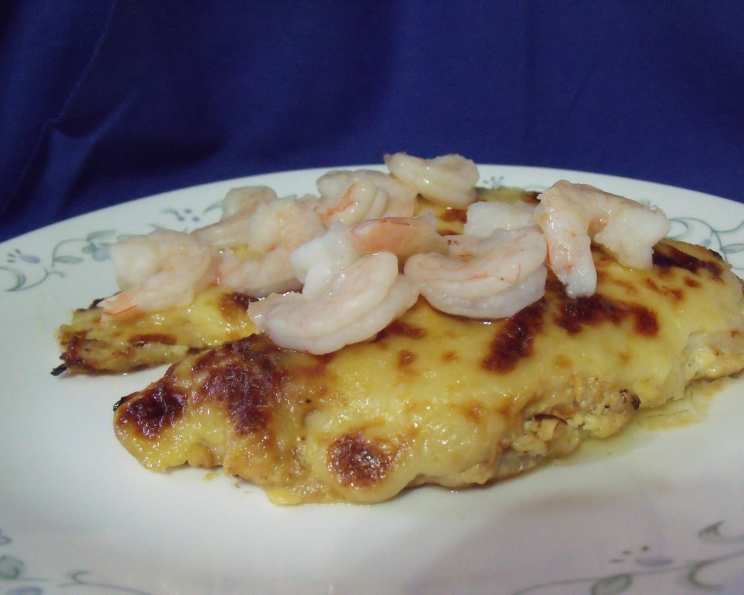
Flounder Francaise: A Symphony of Flavors
My grandmother, Nana Rose, had a way of transforming the simplest ingredients into edible gold. I remember sitting at her kitchen table, sunlight streaming through the window, as she expertly dredged flounder fillets, the air filled with the aroma of lemon and butter. It wasn’t just a meal; it was an experience, a moment of pure culinary joy passed down through generations. That’s the feeling I want to share with you today with this rendition of Flounder Francaise.
Recipe Overview
- Prep Time: 15 minutes
- Cook Time: 15 minutes
- Total Time: 30 minutes
- Servings: 4
- Dietary Type: Pescatarian
Ingredients
For the Flounder Batter:
- 2 large eggs
- 6 ounces Parmesan cheese, finely grated
- 1 pinch parsley, freshly chopped
- 8 ounces milk
For the Sweet Lemon Sauce:
- 2 cups chicken stock
- ½ cup lemon juice, freshly squeezed
- ½ cup sugar
Main Ingredients:
- 4 (6 ounce) flounder fillets
- 12 (7/8 count) shrimp, cleaned and deveined
- Butter, to taste
- Lemon juice, to taste
- White wine, to taste
Equipment Needed
- Nonstick pan
- Shallow dishes for dredging
- Oven pan
- Whisk
- Measuring cups and spoons
Instructions
-
Preheat your oven: Set the oven temperature to 350 degrees Fahrenheit (175 degrees Celsius). This ensures the fish will be perfectly cooked through without drying out.
-
Prepare the Flounder Batter: In a shallow dish, whisk together the eggs, Parmesan cheese, parsley, and milk. Ensure the batter is smooth and well combined. The grated Parmesan adds a salty, cheesy flavor that complements the delicate flounder.
-
Dredge the Flounder: Dip each flounder fillet into the prepared batter, ensuring it is fully coated. Allow any excess batter to drip off before placing the fillet in the pan.
-
Pan-Fry the Flounder: Heat a small amount of cooking spray in a nonstick pan over medium heat. Once the pan is hot, carefully place the battered flounder fillets into the pan.
-
Cook the Flounder: Cook the flounder fillets for approximately 3-4 minutes per side, or until they are golden brown and cooked through. The Parmesan in the batter will create a beautiful, crispy crust. Avoid overcrowding the pan; cook in batches if necessary to maintain even browning.
-
Bake the Flounder: Transfer the pan-fried flounder fillets to an oven pan. Bake in the preheated oven for 5 to 6 minutes. This step helps to ensure that the fish is cooked through and flaky.
-
Sauté the Shrimp: While the flounder is baking, sauté the cleaned and deveined shrimp in a separate pan with a small amount of butter, lemon juice, and white wine. Cook until the shrimp turns pink and opaque, about 3-5 minutes. The combination of butter, lemon juice, and white wine creates a light and flavorful sauce for the shrimp.
-
Prepare the Sweet Lemon Sauce: In a saucepan, combine the chicken stock, lemon juice, and sugar. Bring the mixture to a simmer over medium heat and cook until it slightly thickens, about 5-7 minutes. Stir occasionally to prevent sticking. The sugar balances the tartness of the lemon juice, creating a perfectly sweet and tangy sauce.
-
Assemble the Dish: Once the flounder is cooked, remove it from the oven. Place the sautéed shrimp on top of the flounder fillets.
-
Serve: Drizzle the sweet lemon sauce over the flounder and shrimp. Serve immediately and enjoy!
Expert Tips & Tricks
-
Achieving the Perfect Crust: For an extra crispy crust, you can add a tablespoon of cornstarch to the batter. This will help to create a light and airy texture.
-
Preventing Soggy Fish: Ensure that the pan is hot before adding the flounder fillets. Cooking the fish in a hot pan will help to seal in the juices and prevent it from becoming soggy. Also, make sure to drain excess batter before pan frying the fish.
-
Lemon Zest for Added Flavor: For an extra burst of lemon flavor, add a teaspoon of lemon zest to the sweet lemon sauce. This will enhance the citrus notes and add a bright, fresh element to the dish.
-
Make-Ahead Prep: You can prepare the batter and the sweet lemon sauce ahead of time. Store them separately in the refrigerator until you are ready to cook the flounder and shrimp.
-
Don’t Overcook the Shrimp: Overcooked shrimp can become tough and rubbery. Cook the shrimp just until it turns pink and opaque to maintain its tender texture.
Serving & Storage Suggestions
Serve Flounder Francaise immediately while it’s hot and the crust is still crispy. Garnish with a sprinkle of fresh parsley or a lemon wedge for added visual appeal. It pairs wonderfully with steamed asparagus, roasted vegetables, or a simple side salad.
Storage: Leftovers can be stored in an airtight container in the refrigerator for up to 2 days.
Reheating: To reheat, gently warm the flounder and shrimp in a preheated oven at 300 degrees Fahrenheit (150 degrees Celsius) for about 10-15 minutes, or until heated through. Avoid microwaving, as this can make the fish rubbery. Reheat the sweet lemon sauce separately in a saucepan over low heat.
Nutritional Information
| Nutrient | Amount per Serving | % Daily Value |
|---|---|---|
| Calories | 450 kcal | 23% |
| Total Fat | 25g | 38% |
| Saturated Fat | 12g | 60% |
| Cholesterol | 200mg | 67% |
| Sodium | 800mg | 33% |
| Total Carbohydrate | 25g | 8% |
| Dietary Fiber | 1g | 4% |
| Sugars | 20g | – |
| Protein | 30g | 60% |
Note: Nutritional information is an estimate and may vary based on specific ingredients and cooking methods.
Variations & Substitutions
-
Gluten-Free Flounder Francaise: Use gluten-free all-purpose flour or a blend of almond flour and tapioca starch in place of the Parmesan cheese in the batter. Ensure all other ingredients are also gluten-free.
-
Dairy-Free Option: Substitute the milk in the batter with unsweetened almond milk or coconut milk. Use a dairy-free Parmesan alternative or nutritional yeast for a cheesy flavor.
-
Spicy Kick: Add a pinch of red pepper flakes to the sweet lemon sauce for a touch of heat.
-
Herb Infusion: Experiment with different herbs in the batter, such as dill, thyme, or oregano, to customize the flavor profile.
-
Alternative Fish: If flounder is not available, you can use other mild white fish such as cod, tilapia, or sole. Adjust cooking times accordingly.
FAQs (Frequently Asked Questions)
Q: Can I use frozen flounder fillets for this recipe?
A: Yes, you can use frozen flounder fillets. Be sure to thaw them completely before proceeding with the recipe. Pat them dry with paper towels to remove any excess moisture.
Q: How can I prevent the Parmesan cheese from burning in the pan?
A: Keep the heat at medium and monitor the cooking process closely. If the Parmesan starts to brown too quickly, reduce the heat slightly or move the fillets to a cooler part of the pan.
Q: Can I make the sweet lemon sauce ahead of time?
A: Yes, the sweet lemon sauce can be made up to 2 days in advance. Store it in an airtight container in the refrigerator and reheat gently before serving.
Q: What is the best way to check if the flounder is cooked through?
A: The flounder is cooked through when it flakes easily with a fork. The internal temperature should reach 145 degrees Fahrenheit (63 degrees Celsius).
Q: Can I add vegetables to the dish?
A: Absolutely! Sautéed spinach, asparagus, or green beans would make excellent additions to this dish. You can add them to the pan with the shrimp or serve them as a side dish.
Final Thoughts
Flounder Francaise is more than just a recipe; it’s a culinary journey, a taste of tradition, and a celebration of simple, fresh ingredients. I encourage you to gather your ingredients, embrace the process, and create your own memorable version of this classic dish. Don’t be afraid to experiment with variations and make it your own. And most importantly, share it with loved ones and savor the joy of good food and good company.