
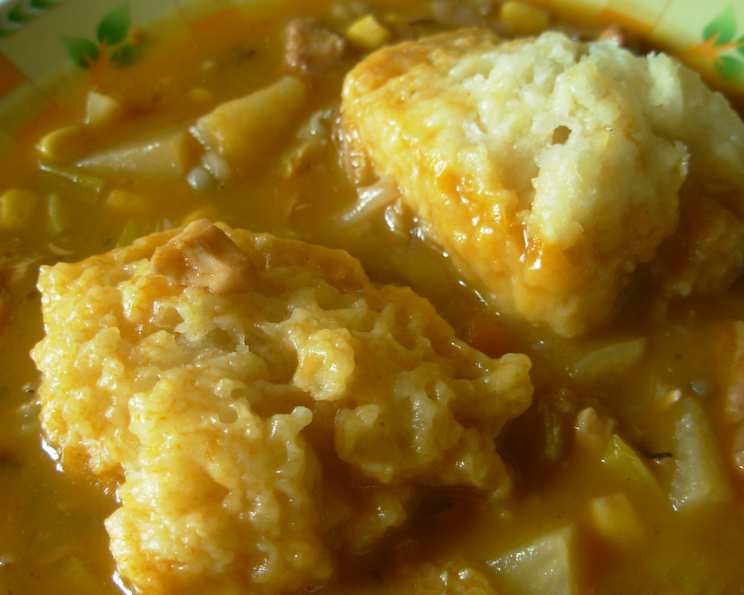
Fluffy Little Clouds: Old-Fashioned Dumplings for Stew
My grandmother, bless her heart, always made dumplings whenever a chill touched the air. I remember huddling in her cozy kitchen, the scent of simmering stew thick with anticipation. Those dumplings, light as air and infused with savory goodness, were more than just food; they were edible hugs, a symbol of comfort and warmth that chased away any hint of gloom. This recipe, inspired by her cherished method, brings back those delightful memories and allows me to recreate that same comforting experience for my own family.
Recipe Overview
- Prep Time: 15 minutes
- Cook Time: 20 minutes
- Total Time: 35 minutes
- Servings: 4
- Yields: 8 Dumplings
- Dietary Type: Vegetarian (easily adaptable to vegan)
Ingredients
- 4 ounces self-raising flour
- 2 ounces shredded vegetable suet (or 2 ounces grated frozen butter)
- Cold water, to mix
- Salt, to taste
- Pepper, to taste
- Garlic granules (optional)
- Dried herbs (optional)
- Onion salt (optional)
- Oregano (optional)
- Chili powder (optional)
- Chopped fresh herbs (optional)
Equipment Needed
- Large mixing bowl
- Grater (if using frozen butter)
- Measuring spoons
- Measuring cups
Instructions
-
In a large mixing bowl, combine the self-raising flour, vegetable suet (or grated frozen butter), salt, and pepper. Mix thoroughly to ensure the suet or butter is evenly distributed throughout the flour. This is crucial for achieving that signature fluffy texture.
-
Optional Flavor Boost: If you’re feeling creative, now is the time to add your desired flavourings. Consider incorporating garlic granules, dried herbs, onion salt, oregano, chili powder, or chopped fresh herbs. Whatever combination you choose, mix it well into the flour and suet mixture. A personal favorite of mine is a pinch of dried thyme and a dash of garlic powder – it adds a subtle earthy note that complements most stews beautifully.
-
Gradually add cold water, a little at a time, to the dry ingredients. Gently mix until a pliable dough forms. The dough should be just bound together and not overly sticky. Be careful not to overwork the dough, as this can develop the gluten and result in tougher dumplings. A light hand is key!
-
With floured hands, divide the dough into 8 equal portions. Gently roll each portion into a small ball. Don’t worry about making them perfectly round; a rustic, slightly irregular shape adds to their charm.
-
Approximately 20 minutes before the end of your stew’s cooking time, gently drop the dumplings into the simmering stew or casserole. Ensure the liquid is hot enough to gently cook the dumplings.
-
Immediately cover the pot with a lid. This is paramount! The steam trapped inside will help the dumplings rise and become wonderfully fluffy.
-
Resist the urge to peek! Do not remove the lid until about 15-18 minutes have passed. After that time, quickly lift the lid to check the dumplings.
-
They should have at least doubled in size and look light and fluffy. If they seem a little dense, allow them to cook for a few more minutes, keeping the lid on. The internal temperature of the dumplings should reach 200°F (93°C) to ensure they are fully cooked.
-
Ladle the stew or casserole into warmed bowls, and serve two dumplings per person. Garnish with fresh herbs, if desired, for a pop of color.
Oven-Baked Variation: For a crustier dumpling, place the dumplings on top of your stew or casserole and bake in a preheated oven at 200°C (400°F) for about 30 minutes, or until the dumplings are well-risen, golden brown, and crusty on top. This method is fantastic for adding textural contrast to your meal.
Expert Tips & Tricks
- Fat is Your Friend: Don’t skimp on the fat! Whether you use vegetable suet or grated frozen butter, the small pieces of fat create pockets of steam during cooking, which is essential for achieving that light and airy texture.
- Cold Water Matters: Using cold water helps to keep the fat solid, further contributing to the dumpling’s fluffiness.
- Don’t Overmix: Overmixing the dough develops the gluten, resulting in tough dumplings. Mix just until the ingredients come together.
- The Lid is Key: Keep the lid on tight while the dumplings are cooking. The trapped steam is crucial for their rise and texture.
- Flavor Infusion: Experiment with different herbs and spices to customize the flavor of your dumplings. Rosemary, thyme, parsley, and chives are all excellent choices.
- Vegan Alternative: To make these dumplings vegan, ensure you are using a certified vegan vegetable suet, or substitute with a good quality vegan butter, frozen and grated.
- For Extra Fluffiness: Try adding a teaspoon of baking powder to the flour mixture for an extra boost in leavening power.
Serving & Storage Suggestions
Serve these fluffy dumplings hot, nestled in a hearty stew or casserole. They are best enjoyed immediately after cooking, while they are still light and airy.
Storage: Leftover dumplings can be stored in an airtight container in the refrigerator for up to 2 days.
Reheating: To reheat, gently steam the dumplings over simmering water for a few minutes until warmed through. Alternatively, you can microwave them for a short burst, but be careful not to overcook them, as they can become rubbery. Reheating in the oven is also an option – just wrap them in foil to prevent them from drying out.
Freezing: While not ideal, cooked dumplings can be frozen. Place them on a baking sheet lined with parchment paper and freeze until solid. Then, transfer them to a freezer bag. Reheat from frozen by steaming or baking. Be aware that freezing may slightly alter the texture.
Nutritional Information
Please note that these values are estimates and may vary based on specific ingredients and portion sizes.
| Nutrient | Amount per Serving | % Daily Value |
|---|---|---|
| Calories | 250 kcal | 13% |
| Total Fat | 12g | 18% |
| Saturated Fat | 4g | 20% |
| Cholesterol | 0mg | 0% |
| Sodium | 300mg | 13% |
| Total Carbohydrate | 30g | 10% |
| Dietary Fiber | 1g | 4% |
| Sugars | 1g | 2% |
| Protein | 4g | 8% |
Variations & Substitutions
- Gluten-Free Dumplings: Substitute the self-raising flour with a gluten-free self-raising flour blend. You may need to add a little more water to achieve the right consistency.
- Herbaceous Delight: Infuse the dumplings with fresh herbs like rosemary, thyme, or parsley for an aromatic twist.
- Spicy Kick: Add a pinch of chili flakes or a dash of cayenne pepper to the dough for a subtle heat.
- Cheese & Onion Dumplings: Grate a small amount of cheddar cheese and finely chop some onion, then add them to the dough for a savory and comforting flavor.
- Sweet Dumplings: For a dessert dumpling, omit the salt and pepper and add a tablespoon of sugar and a pinch of cinnamon to the dough. Serve with fruit compote or custard.
FAQs (Frequently Asked Questions)
Q: Why are my dumplings not fluffy?
A: Several factors can contribute to dense dumplings. Ensure you’re using self-raising flour, not overmixing the dough, and keeping the lid on tight while cooking. The fat content is also important, so don’t skimp on the suet or butter.
Q: Can I make these dumplings ahead of time?
A: While it’s best to cook the dumplings fresh, you can prepare the dough ahead of time and store it in the refrigerator for a few hours. However, the leavening agents in the flour will start to lose their effectiveness over time.
Q: Can I use butter instead of vegetable suet?
A: Yes, you can substitute grated frozen butter for vegetable suet. The key is to keep the butter cold to prevent it from melting into the flour, which will result in tougher dumplings.
Q: How do I know when the dumplings are cooked through?
A: The dumplings should have at least doubled in size and be light and fluffy. You can also insert a toothpick into the center; if it comes out clean, the dumplings are cooked.
Q: Can I bake the dumplings in the oven instead of cooking them in the stew?
A: Absolutely! Baking the dumplings in the oven will give them a crispy, golden-brown crust. Simply place the dumplings on top of your stew or casserole and bake at 400°F (200°C) for about 30 minutes, or until they are well-risen and golden brown.
Final Thoughts
These fluffy little clouds are more than just dumplings; they’re a comforting reminder of simple pleasures and shared moments. Whether you’re a seasoned cook or a kitchen novice, I encourage you to try this recipe and experience the joy of creating these delightful dumplings for yourself. Don’t be afraid to experiment with different flavors and variations to make them your own. And, most importantly, share them with the people you love – because nothing tastes better than a warm bowl of stew and dumplings enjoyed in good company.