
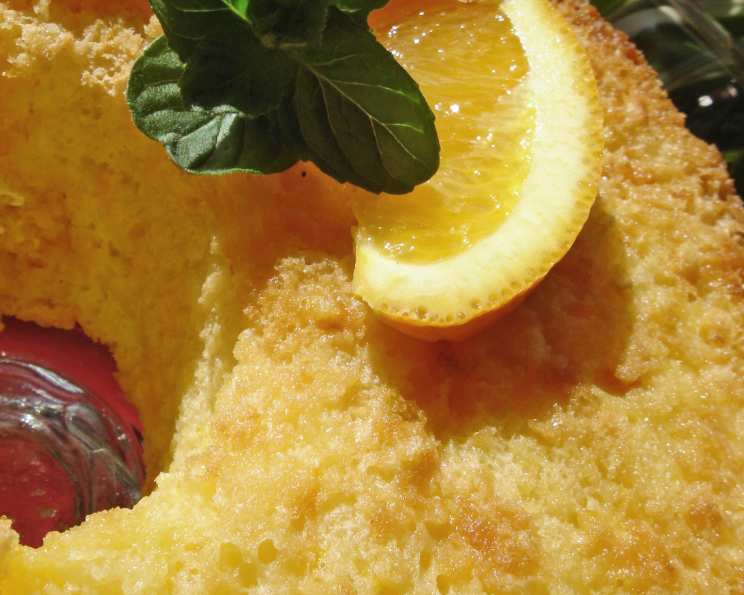
Fluffy Orange Sponge Cake: A Taste of Sunshine
The memory of this cake is woven into the fabric of my childhood. I can almost smell the bright, citrusy aroma wafting from my grandmother’s kitchen, a beacon of warmth and happiness. She always seemed to be baking something, and this Fluffy Orange Sponge Cake was a particular favorite, its delicate crumb and vibrant flavor a perfect embodiment of her sunny disposition. It was a simple cake, yet somehow, magical, each bite a sweet reminder of family gatherings and carefree days.
Recipe Overview
- Prep Time: 25 minutes
- Cook Time: 55 minutes
- Total Time: 1 hour 20 minutes
- Servings: 16
- Yield: 1 cake
- Dietary Type: Vegetarian
Ingredients
- 1 cup sifted cake flour
- 1 1/4 cups sifted powdered sugar
- 5 egg yolks
- 1 tablespoon finely shredded orange rind
- 5 egg whites
- 1 teaspoon vanilla
- 1/2 teaspoon cream of tartar
- 1 cup orange juice
- 1 tablespoon honey
- 1/2 teaspoon almond extract
Equipment Needed
- 9-inch tube pan (ungreased)
- Electric mixer
- Small saucepan
- Long-tined fork
- Mixing bowls
- Measuring cups and spoons
- Sifter
Instructions
-
Begin by combining the sifted cake flour and 1/2 cup of the sifted powdered sugar in a medium-sized bowl. Whisk together to ensure even distribution and set aside for later. Sifting is essential here to achieve that wonderfully light and airy texture that defines a sponge cake.
-
In a separate, small mixer bowl, add the egg yolks. Using an electric mixer set to high speed, beat the egg yolks for approximately 6 minutes, or until they become thick and develop a pale, lemon-yellow color. This step is crucial for incorporating air into the batter, which will contribute to the cake’s lightness.
-
Gradually add the remaining powdered sugar to the beaten egg yolks, beating constantly for about 4 minutes. Continue beating until the mixture is smooth, glossy, and the sugar is fully incorporated.
-
Now, stir in the finely shredded orange rind. This will infuse the batter with a bright citrus aroma and flavor. Ensure the zest is finely shredded to avoid any bitter pieces in the final cake.
-
Thoroughly wash the beaters of your electric mixer. This prevents any traces of yolk mixture from interfering with the egg whites.
-
In a large, clean mixer bowl, add the egg whites, vanilla, and cream of tartar. Beat the mixture on medium-high speed until soft peaks form. The cream of tartar helps to stabilize the egg whites, ensuring they hold their shape and volume, thus contributing to the cake’s structure. Soft peaks are reached when the tips of the beaten egg whites gently curl over when the beaters are lifted.
-
Gently fold the egg yolk mixture into the beaten egg whites. It is crucial to handle the mixture with care at this stage to avoid deflating the egg whites. Use a spatula and fold gently in a circular motion, lifting the mixture from the bottom of the bowl and over the top, until just combined.
-
Sift the flour mixture over the egg mixture, adding it in thirds. Gently fold in each addition until just combined, being careful not to overmix. Overmixing can develop the gluten in the flour, resulting in a tough cake.
-
Turn the batter into an ungreased 9-inch tube pan. An ungreased pan is essential for sponge cakes as it allows the batter to cling to the sides of the pan as it rises, giving it its characteristic height and structure.
-
Bake in a preheated 325 degree Fahrenheit (160 degrees Celsius) oven for approximately 55 minutes, or until the cake springs back when lightly touched. To test for doneness, gently press the top of the cake. If it bounces back readily, it is done. If it leaves an indentation, it needs a little more time in the oven.
-
Immediately invert the cake in the pan and allow it to cool thoroughly. Inverting the cake while it cools prevents it from collapsing and helps to maintain its airy structure.
-
Once the cake is completely cool, carefully remove it from the pan using a thin knife or spatula to loosen the edges.
-
Using a long-tined fork, poke holes in the top of the cake at 1-inch intervals. This allows the syrup to penetrate the cake evenly.
-
To prepare the syrup, combine the orange juice and honey in a small saucepan. Simmer the mixture over low heat for 5 minutes, allowing the honey to dissolve and the syrup to slightly thicken.
-
Remove the saucepan from the heat and stir in the almond extract.
-
Spoon the syrup evenly over the cake, a small amount at a time, allowing the cake to absorb the syrup completely. This process may take some time, so be patient and allow the cake to soak up all the delicious citrusy goodness.
-
Chill the cake, if desired, before serving. Chilling allows the flavors to meld and intensifies the overall taste experience.
Expert Tips & Tricks
- Egg White Perfection: Ensure your mixing bowl and beaters are completely clean and free of any grease or oil when beating the egg whites. Even a trace amount of fat can prevent the whites from reaching their full volume.
- Gentle Folding: Remember, a light hand is key when folding the flour mixture and egg yolk mixture into the egg whites. Overmixing will deflate the batter and result in a dense, heavy cake.
- Syrup Saturation: For a more intense orange flavor, you can gently warm the cake before spooning over the syrup. This will help the cake absorb the syrup more readily.
- Pan Prep is Key: Don’t grease the tube pan! The cake needs to grip the sides of the pan to rise properly.
Serving & Storage Suggestions
Serve the Fluffy Orange Sponge Cake chilled or at room temperature, garnished with a dusting of powdered sugar or a few fresh orange slices. It’s delicious on its own, or alongside a dollop of whipped cream or a scoop of vanilla ice cream. Leftover cake can be stored in an airtight container at room temperature for up to 3 days, or in the refrigerator for up to a week. You can also freeze individual slices for longer storage, wrapping them tightly in plastic wrap and then placing them in a freezer-safe bag. To reheat, simply thaw at room temperature.
Nutritional Information
| Nutrient | Amount per Serving | % Daily Value |
|---|---|---|
| Calories | 100.9 kcal | N/A |
| Calories from Fat | 12 g | 12% |
| Total Fat | 1.4 g | 2% |
| Saturated Fat | 0.5 g | 2% |
| Cholesterol | 59 mg | 19% |
| Sodium | 20 mg | 0% |
| Total Carbohydrate | 19.2 g | 6% |
| Dietary Fiber | 0.2 g | 0% |
| Sugars | 11.7 g | 46% |
| Protein | 2.7 g | 5% |
Variations & Substitutions
- Lemon Twist: Substitute lemon rind and lemon juice for the orange rind and orange juice for a bright and zesty lemon sponge cake.
- Spice It Up: Add a pinch of cinnamon or nutmeg to the flour mixture for a warm and comforting flavor.
- Almond Enhancement: Increase the amount of almond extract in the syrup for a more pronounced almond flavor.
- Gluten-Free Adaptation: Use a gluten-free cake flour blend in place of the regular cake flour, ensuring that it contains xanthan gum or a similar binder.
FAQs (Frequently Asked Questions)
Q: Why is it important to use an ungreased tube pan?
A: An ungreased tube pan allows the cake batter to cling to the sides, providing the necessary support for it to rise properly and achieve its signature tall and airy structure.
Q: Can I use regular flour instead of cake flour?
A: While you can use regular flour in a pinch, cake flour is preferred because it has a lower protein content, resulting in a more tender and delicate crumb.
Q: How do I prevent the cake from collapsing after baking?
A: Inverting the cake in the pan immediately after baking and allowing it to cool completely prevents it from collapsing and helps maintain its airy structure.
Q: What if I don’t have cream of tartar?
A: Cream of tartar helps stabilize the egg whites, but if you don’t have it, you can substitute a teaspoon of lemon juice or white vinegar.
Q: Can I freeze the cake?
A: Yes, you can freeze the cake. Wrap individual slices tightly in plastic wrap and then place them in a freezer-safe bag. Thaw at room temperature before serving.
Final Thoughts
This Fluffy Orange Sponge Cake is more than just a recipe; it’s a slice of sunshine, a taste of nostalgia, and a celebration of simple pleasures. I encourage you to try baking this delightful cake and experience the joy it brings. Share it with your loved ones, savor each bite, and let the bright citrusy flavors transport you to a place of warmth and happiness. I’d love to hear about your baking experiences and any creative twists you add to the recipe! Happy Baking!