
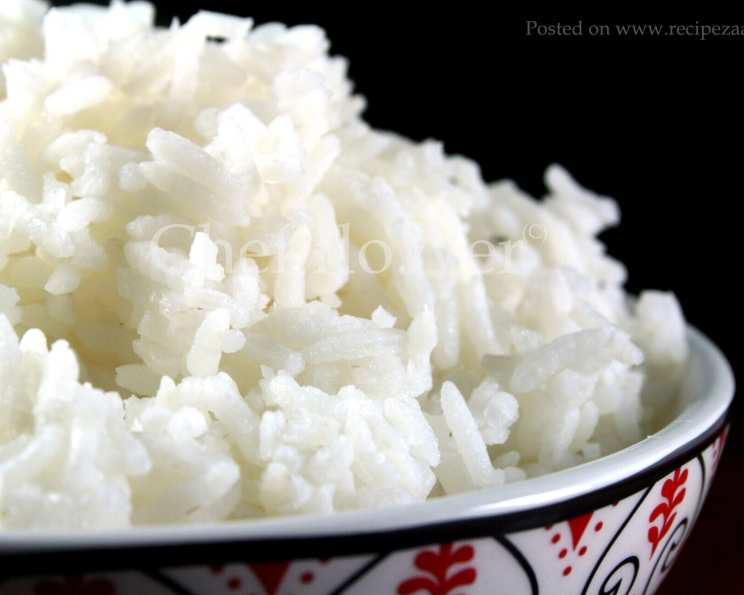
The Secret to Perfect Fluffy White Rice: A Culinary Journey
I still remember watching my grandmother in her bustling kitchen, a symphony of clanging pots and fragrant aromas filling the air. She had a way with simple ingredients, transforming them into extraordinary meals. Her white rice was legendary – each grain perfectly separate, fluffy, and subtly sweet. No matter what the dish, that rice was the star, a testament to the power of simple perfection. I yearned to unlock her secret, and after years of practice, I’m ready to share it with you.
Recipe Overview
- Prep Time: 1 minute
- Cook Time: 20 minutes
- Total Time: 21 minutes
- Servings: 4
- Dietary Type: Gluten-Free
Ingredients
- 1 cup long grain white rice
- 1 2/3 cups water (for fluffier rice) OR 1 1/2 cups water (for firmer rice suitable for making fried rice)
Equipment Needed
- Small pot with a lid (1 to 3 quart capacity)
Instructions
- Bring the water to a strong boil at highest temperature in your pot.
- Add the rice to the boiling water. Swirl the rice once with a spoon so that it covers the bottom of the pot uniformly.
- Watch the rice boil until you see the bubbles form a pock-marked pattern with its vigorous boiling. This takes 1 to 2 minutes.
- Lower the heat to simmer. About 2.5 out of 10 on the dial is about right on my stove. Your stove may need to be set slightly higher or lower. You want the heat to be high enough so that steam is always being formed in the pot, but not so hot that the rice scorches on the bottom of the pot.
- When the boiling dies down a bit, cover the pot and set the timer to 20 minutes.
- Remove the lid of the pot, and your rice is done. For your first batch, test the rice with a fork and give it a taste test. It should be fluffy and tender.
- (For firmer rice for fried rice: Use 1 1/2 cups of water instead of 1 2/3 cups of water to achieve this texture. When it is done, leave the lid off the pot and allow the rice to cool. Then use the cooled rice in your fried rice recipe. The cooling is optional.).
Expert Tips & Tricks
- Rinsing the Rice: While not strictly necessary, rinsing the rice before cooking can remove excess starch, resulting in an even fluffier texture. Simply place the rice in a fine-mesh sieve and rinse under cold water until the water runs clear.
- The Right Pot: A heavy-bottomed pot will distribute heat evenly, preventing scorching.
- Resist the Urge to Stir: Stirring the rice during cooking releases starch and can make it gummy.
- The Resting Period: Letting the rice rest, covered, for 5-10 minutes after cooking allows the steam to redistribute, resulting in a more even texture.
- Preventing Stickiness: A tiny pat of butter added at the end can help prevent the rice from sticking together.
- Burnt Rice Rescue: If the rice does scorch on the bottom, don’t scrape the burnt bits into the rest of the rice. Instead, transfer the unaffected rice to a clean bowl. You can also place a piece of white bread on top of the burnt rice, cover the pot, and let it sit for a few minutes – the bread will absorb some of the burnt flavor.
- Flavor Infusions: For extra flavor, try adding a bay leaf or a small piece of kombu (dried seaweed) to the cooking water. Remember to remove them before serving.
- Consistent Simmer: Finding the sweet spot for your simmer is key. Watch carefully during the first few minutes of covered cooking to ensure the heat isn’t too high or too low. Adjust as needed.
- Water Absorption: Different brands of rice may absorb water slightly differently. If your rice is consistently too wet or too dry, adjust the water ratio accordingly in future batches. Make small adjustments, about 1/8 cup at a time, until you find the perfect ratio for your rice.
Serving & Storage Suggestions
Serve your perfectly cooked fluffy white rice hot as a side dish to complement a wide variety of meals. It pairs beautifully with stir-fries, grilled meats, steamed vegetables, or curries.
For storing leftovers, allow the rice to cool completely before transferring it to an airtight container. Store in the refrigerator for up to 4 days.
To reheat, add a tablespoon of water per cup of rice to the container, cover, and microwave until heated through. You can also reheat it on the stovetop with a splash of water, stirring occasionally.
Freezing cooked rice is also an option. Spread the cooled rice in a thin layer on a baking sheet and freeze until solid. Then, transfer the frozen rice to a freezer bag. It can be stored in the freezer for up to 2 months. To reheat, steam the frozen rice until heated through.
Nutritional Information
| Nutrient | Amount per Serving | % Daily Value |
|---|---|---|
| Calories | 461.4 kcal | N/A |
| Calories from Fat | 7 g | 2% |
| Total Fat | 0.8 g | 1% |
| Saturated Fat | 0.2 g | 1% |
| Cholesterol | 0 mg | 0% |
| Sodium | 3.1 mg | 0% |
| Total Carbohydrate | 101.5 g | 33% |
| Dietary Fiber | 1.7 g | 6% |
| Sugars | 0.1 g | 0% |
| Protein | 8.7 g | 17% |
Variations & Substitutions
- Brown Rice: For a nuttier and more nutritious option, substitute long-grain brown rice. Brown rice typically requires a longer cooking time and a higher water ratio. Follow the package directions for specific instructions.
- Jasmine Rice: Jasmine rice offers a fragrant aroma and slightly sticky texture. Use the same cooking method as for long-grain white rice.
- Basmati Rice: Basmati rice is known for its long, slender grains and delicate flavor. It also works well with this method.
- Coconut Rice: Replace the water with coconut milk for a creamy and flavorful twist. Reduce the amount of coconut milk slightly, as it tends to be richer than water.
- Herb Infusion: Add fresh herbs like thyme, rosemary, or parsley to the cooking water for an aromatic and flavorful rice.
- Broth Instead of Water: For a richer flavor, use chicken or vegetable broth instead of water. Be mindful of the sodium content in the broth and adjust seasoning accordingly.
- Garlic Rice: Add a clove of minced garlic to the pot at the beginning of cooking for a savory garlic-infused rice.
FAQs (Frequently Asked Questions)
Q: Why is my rice always mushy?
A: Overcooking or using too much water are the most common causes of mushy rice. Be sure to follow the recommended water ratio and cooking time, and resist the urge to stir the rice during cooking.
Q: How can I prevent the rice from sticking to the bottom of the pot?
A: Using a heavy-bottomed pot helps distribute heat evenly and prevent scorching. Also, be sure to simmer the rice on low heat. Adding a tiny pat of butter at the end can also help.
Q: Can I use short-grain rice with this recipe?
A: While you can use short-grain rice, the water ratio and cooking time may need to be adjusted. Short-grain rice tends to be stickier than long-grain rice.
Q: What if I don’t have a lid for my pot?
A: You can use a piece of aluminum foil to cover the pot tightly. Ensure it’s sealed well to trap the steam.
Q: How do I know when the rice is done?
A: The rice is done when all the water has been absorbed and the grains are fluffy and tender. Use a fork to test the texture.
Final Thoughts
Mastering fluffy white rice is a fundamental skill in the kitchen, opening doors to countless culinary possibilities. With just a few simple steps and a little practice, you can create rice that is perfectly cooked every time. Don’t be afraid to experiment with different variations and flavor infusions to create your own signature rice dish. I encourage you to try this recipe, share it with your loved ones, and savor the simple pleasure of perfectly cooked rice. Pair it with your favorite stir-fry or grilled protein for a complete and satisfying meal. Happy cooking!