
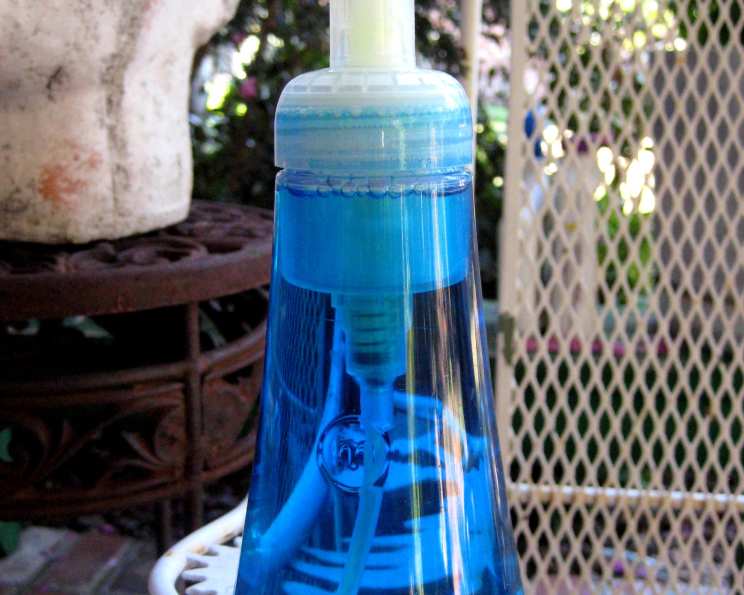
Elevate Your Hand Hygiene: The Ultimate Guide to Homemade Foam Soap Refill
I’ll never forget the first time I stayed in a fancy hotel and encountered a foaming soap dispenser. The luxurious lather, the subtle fragrance, and the sheer novelty of it all made washing my hands feel like a spa treatment. Back home, I quickly invested in a few dispensers myself, only to be shocked by the price of the refills! It felt wasteful, both financially and environmentally. Determined to keep the foamy goodness flowing, I embarked on a journey to create my own refills. And let me tell you, the solution is simpler than you think, and far more rewarding.
Recipe Overview
- Prep Time: 1 minute
- Cook Time: 0 minutes
- Total Time: 1 minute
- Yields: 1 bottle
- Dietary Type: Vegan (depending on soap choice)
Ingredients
- 3 tablespoons liquid hand soap (or 3 tablespoons Joy dishwashing soap)
- ⅔ cup warm water
Equipment Needed
- Foam soap dispenser
- Measuring spoons
- Measuring cup
Instructions
- In a measuring cup, gently mix 3 tablespoons of your chosen liquid hand soap or Joy dishwashing soap with ⅔ cup of warm water.
- It’s crucial to mix gently! Avoid shaking the mixture vigorously, as this will create excessive bubbles and could clog the pump mechanism of your dispenser.
- Carefully pour the mixture into your empty foam soap dispenser.
- Test the dispenser by pumping a small amount into your hand. If the foam is too watery, add a little more soap (about ½ tablespoon at a time), gently mixing after each addition. If the foam is too thick or doesn’t dispense properly, add a little more warm water (about 1 tablespoon at a time), again mixing gently.
Expert Tips & Tricks
- Soap Choice Matters: Different soaps will produce slightly different results. I’ve found that thicker, gel-like soaps tend to create a richer, more stable foam. However, even thinner soaps work well with the right water-to-soap ratio. Experiment to find what works best for you and your dispenser.
- Water Temperature: Using warm water helps the soap to dissolve more easily and creates a smoother consistency. However, avoid using hot water, as this can denature some of the soap’s ingredients and affect its foaming properties.
- Don’t Overdo It: The most common mistake is adding too much soap. Start with the recommended ratio and adjust gradually. It’s easier to add more soap than to dilute a mixture that’s too concentrated.
- The Dawn Secret: Many people have excellent results with Dawn dishwashing liquid. Its degreasing power and foaming ability are superb. However, be mindful of potential skin sensitivity, especially with prolonged use. Consider using a moisturizing hand cream afterward if you find your hands drying out.
- Test Runs are Your Friend: Before filling your entire dispenser, conduct a small test run with a tablespoon of soap and four tablespoons of water to gauge the concentration. This will save you time and effort in the long run.
- Hard Water Considerations: If you have hard water, it can sometimes interfere with the foaming process. You may need to slightly increase the amount of soap used, or consider using distilled water for a more consistent result.
Serving & Storage Suggestions
There isn’t much to “serve” when it comes to hand soap! Simply ensure your foam soap dispenser is conveniently located near your sink. Homemade foam soap refill is best used within a few weeks to maintain its consistency and effectiveness. Storing it for longer periods isn’t harmful, but the mixture may separate slightly. Just gently swirl the dispenser before use. There’s no need to refrigerate or freeze homemade foam soap refill.
Nutritional Information
Since this recipe is for hand soap and not intended for consumption, nutritional information is not applicable.
Variations & Substitutions
- Essential Oil Infusion: Add a few drops of your favorite essential oil to the mixture for a pleasant fragrance and potential antibacterial benefits. Lavender, tea tree, and lemon essential oils are popular choices. Start with just 2-3 drops per batch and adjust to your preference. Be mindful of potential allergies or sensitivities to certain oils.
- Glycerin Boost: For extra moisturizing properties, add a teaspoon of vegetable glycerin to the mixture. Glycerin is a humectant, meaning it helps to attract and retain moisture in the skin. This is especially helpful during dry winter months.
- Castile Soap Alternative: Substitute the liquid hand soap or dishwashing soap with an equal amount of castile soap for a more natural and gentle option. Castile soap is a vegetable-based soap that is known for its mildness and versatility.
- Coloring Agent: If you desire a colored soap, you can add a tiny drop of food coloring. Be extremely cautious, as a little goes a long way. Overdoing it can stain your hands or sink. Natural colorants like beet juice powder (for pink) or spirulina powder (for green) can also be used sparingly.
- Gentle on Sensitive Skin: Look for liquid hand soaps that are fragrance-free and hypoallergenic. Baby soaps often work well.
FAQs (Frequently Asked Questions)
Q: Why is my foam soap refill watery?
A: This is usually caused by using too much water or not enough soap. Try adding a small amount of soap (½ tablespoon) to the dispenser and gently mixing.
Q: Can I use any kind of liquid soap for this recipe?
A: While most liquid soaps will work, thicker, gel-like soaps tend to produce a better foam. Avoid using soaps with added moisturizers or oils, as these can sometimes clog the dispenser.
Q: How often should I refill my foam soap dispenser?
A: This depends on how frequently you use it. A typical batch should last for several weeks with normal household use.
Q: Is it safe to use dish soap on my hands?
A: While dish soap can be effective for cleaning, it can also be drying to the skin. If you use dish soap for your foam soap refill, consider using a moisturizing hand cream afterward to prevent dryness.
Q: My foam soap dispenser is clogged. What should I do?
A: Try running warm water through the pump mechanism to dislodge any clogs. You can also try disassembling the dispenser and cleaning each part individually with a mild soap and water solution.
Final Thoughts
Making your own foam soap refill is not only incredibly easy and cost-effective, but it’s also a fun way to experiment with different scents and ingredients to create a personalized hand-washing experience. Once you master the basic recipe, the possibilities are endless. So, ditch those expensive refills, embrace your inner chemist, and enjoy the satisfaction of creating a luxurious, environmentally friendly, and budget-friendly alternative. And who knows, maybe you’ll even start experimenting with homemade shampoos and body washes next! Don’t be afraid to play around with different soap types, essential oils, and ratios to find the perfect combination for your needs. I encourage you to give this simple recipe a try, and I’d love to hear about your results and any variations you discover!