
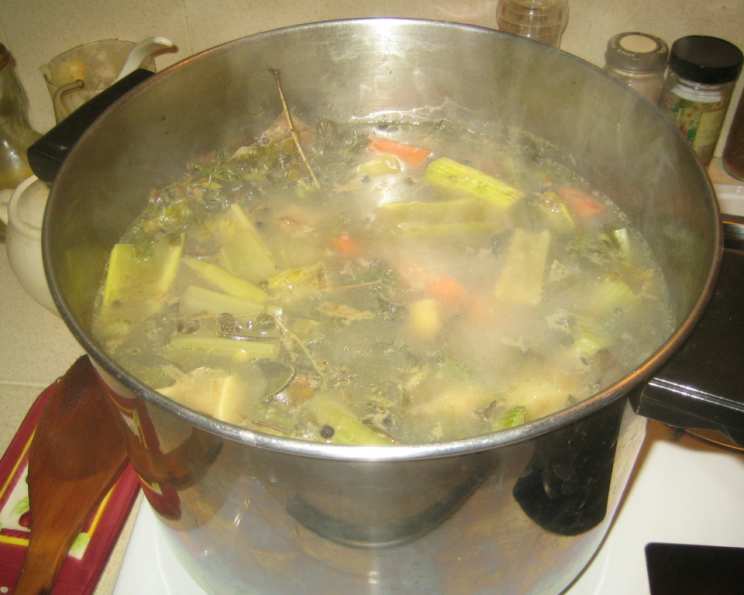
Fortified Vegetable Stock: The Culinary Foundation
I still remember the first time I made a truly great vegetable stock. It wasn’t just water simmered with scraps; it was a symphony of flavors, coaxed out through roasting and careful layering. I had been working in a small bistro, eager to impress the head chef. He tasked me with creating a stock that could stand alone as a light soup, and also act as a flavor amplifier for everything else on the menu. The secret, he revealed, was fortification – coaxing every last drop of goodness from the vegetables. This recipe, while refined over years of experience, holds the essence of that pivotal kitchen lesson.
Recipe Overview
- Prep Time: 30 minutes
- Cook Time: 45 minutes
- Total Time: 1 hour 15 minutes
- Yield: 3 quarts
- Dietary Type: Vegan, Gluten-Free, Dairy-Free
Ingredients
- 1/4 cup olive oil
- 1 teaspoon fine sea salt
- 1 teaspoon ground black pepper
- 4 lbs brown onions, cut in wedges
- 2 lbs leeks, white part only, chopped
- 2 lbs carrots, chopped
- 2 lbs celery, chopped
- 2 lbs celery root, chopped
- 1 lb parsnip, chopped
- 2 garlic cloves, chopped
- 3 bay leaves
- 1 bunch parsley, chopped
- 12 sprigs thyme, chopped
- 6 sprigs summer savory, chopped
- 6 sprigs marjoram, chopped
- 3 sprigs rosemary, chopped
- 6 black peppercorns
- 6 juniper berries
- 2 cups Chardonnay wine
- 1⁄2 cup rice wine vinegar
Equipment Needed
- Roasting Pan
- 12-quart Stock Pot
- Fine-Mesh Sieve
Instructions
-
Preheat your oven to 450°F (232°C). Roasting the vegetables first is key to developing deep, rich flavor.
-
In a large roasting pan, whisk together the olive oil, sea salt, and black pepper. Make sure they are well combined; this ensures even seasoning for the vegetables.
-
Place the onions, leeks, carrots, celery, celery root, parsnip, and bay leaves in the roasting pan. Toss them thoroughly until all the vegetables are evenly coated with the oil and seasoning mixture.
-
Roast the vegetables for 15 minutes. This initial burst of high heat helps to caramelize the natural sugars in the vegetables, intensifying their flavor.
-
Scrape the roasted vegetables into a large, 12-quart stock pot. Ensure you get all the flavorful bits from the bottom of the roasting pan.
-
Add the fresh herbs: parsley, thyme, summer savory, marjoram, and rosemary to the pot.
-
Cover the vegetables with cold water. The water level should be several inches above the vegetables. Starting with cold water helps to extract the flavors gradually.
-
Bring the stock to a full boil uncovered. Then, immediately reduce the heat to a simmer for 15 minutes. During this simmering period, skim any fat or impurities that rise to the surface of the stock. This step is crucial for a clear and clean-tasting stock.
-
Add the Chardonnay wine, rice wine vinegar, black peppercorns, and juniper berries to the pot.
-
Continue to simmer the stock for an additional 25 minutes. This allows the flavors to meld together and further deepen.
-
Remove the vegetables from the pot using a slotted spoon or skimmer. Discard the solids; they have given up all their flavor.
-
Strain the stock through a fine-mesh sieve lined with cheesecloth (if desired) to remove any remaining solids and ensure a clear broth.
-
Cool the stock rapidly in an ice bath. This helps prevent bacterial growth and preserves the freshness of the stock.
-
Once cooled, cover the stock tightly and refrigerate. The stock will keep for 1-2 days in the refrigerator.
Expert Tips & Tricks
- Don’t overcrowd the roasting pan. If necessary, roast the vegetables in batches to ensure even browning.
- Use vegetable scraps. Save vegetable trimmings (onion skins, carrot peels, celery ends) in the freezer and add them to the stock for extra flavor. Just avoid overly bitter items like broccoli stalks or potato peels.
- Adjust seasoning at the end. Taste the finished stock and add more salt or pepper as needed.
- For a deeper, richer flavor, you can add a tablespoon of tomato paste to the roasting pan along with the vegetables.
- If you find the stock is too acidic, add a pinch of sugar to balance the flavors.
- Don’t over-simmer. Simmering the stock for too long can result in a bitter taste.
Serving & Storage Suggestions
This Fortified Vegetable Stock is a versatile culinary asset. Use it as a base for soups and stews, to braise vegetables, to deglaze pans, or to add depth to risotto. It also makes an excellent poaching liquid for delicate fish or shellfish.
Store the cooled stock in airtight containers in the refrigerator for up to 2 days. For longer storage, freeze the stock in portion-sized containers or ice cube trays. Frozen stock can be stored for up to 3 months. Reheat gently on the stovetop or in the microwave until heated through. Do not leave at room temperature for more than two hours.
Nutritional Information
Note: Nutritional information is an estimate and may vary based on specific ingredients and quantities used.
| Nutrient | Amount per Serving (1 cup) | % Daily Value* |
|---|---|---|
| Calories | 75 kcal | 4% |
| Total Fat | 5g | 8% |
| Saturated Fat | 1g | 5% |
| Cholesterol | 0mg | 0% |
| Sodium | 300mg | 13% |
| Total Carbohydrate | 8g | 3% |
| Dietary Fiber | 2g | 8% |
| Sugars | 3g | – |
| Protein | 2g | 4% |
*Percent Daily Values are based on a 2,000 calorie diet.
Variations & Substitutions
- Mushroom Boost: Add 1 pound of sliced mushrooms (such as cremini or shiitake) to the roasting pan for an earthier flavor.
- Spicy Kick: Add a pinch of red pepper flakes or a chopped chili pepper to the roasting pan for a subtle heat.
- Mediterranean Twist: Use oregano and basil instead of the savory and marjoram. Add sun-dried tomatoes to the roasting pan.
- Asian Inspired: Add ginger, lemongrass, and star anise to the stock pot for an exotic flavor profile.
- No Wine? If you prefer to avoid wine, substitute with an equal amount of apple cider vinegar or more rice wine vinegar, adjusting the amount to taste.
FAQs (Frequently Asked Questions)
Q: Can I use frozen vegetables for this recipe?
A: While fresh vegetables are ideal, frozen vegetables can be used in a pinch. Just be aware that they may release more water during cooking, which could dilute the flavor of the stock. Reduce the amount of added water accordingly.
Q: How can I make the stock more flavorful?
A: Roasting the vegetables is key to developing a rich flavor. You can also add other flavorful ingredients, such as dried mushrooms, seaweed, or a parmesan rind (remove before serving if not vegetarian).
Q: Why is my stock cloudy?
A: Cloudiness can be caused by boiling the stock too vigorously or by not skimming off the impurities. Simmer gently and skim frequently for a clear stock.
Q: Can I use this stock for making gravy?
A: Absolutely! This stock makes an excellent base for vegetable gravy. Simply thicken it with a roux (equal parts flour and butter) or cornstarch slurry.
Q: How do I know if the stock has gone bad?
A: Trust your senses. If the stock smells sour or off, or if it has developed mold, discard it.
Final Thoughts
This Fortified Vegetable Stock is more than just a recipe; it’s a building block for countless delicious meals. By taking the time to roast the vegetables and layer the flavors, you’ll create a stock that is far superior to anything you can buy in a store. I encourage you to experiment with different herbs and spices to create your own signature blend. Don’t be afraid to share your creations and feedback – happy cooking! Consider pairing this broth with some homemade crusty bread or using it as a base for a comforting vegetable soup.