
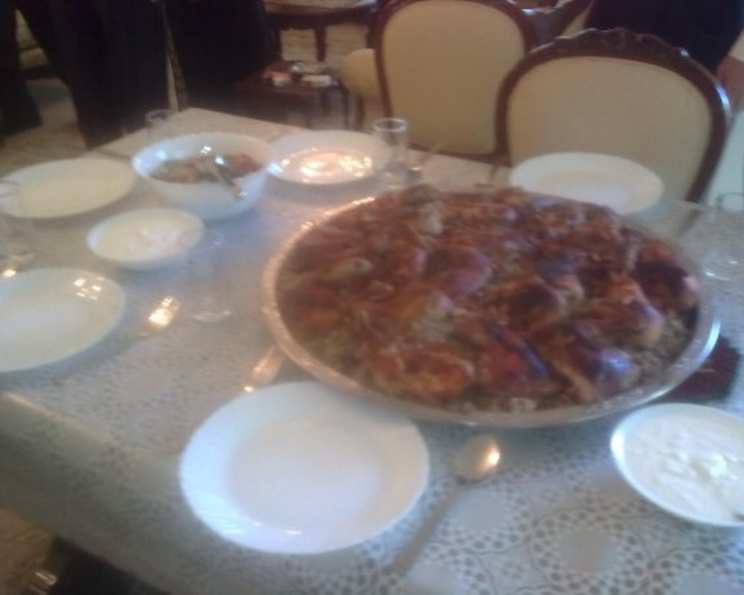
Freekeh With Chicken: A Taste of Home
The aroma alone transports me back to my grandmother’s kitchen. I remember the swirling scents of roasted wheat, simmering chicken, and warm spices – a comforting embrace that only freekeh bil-djaj could provide. It was always a celebratory dish, reserved for special occasions and the arrival of cherished guests. My grandmother, with her flour-dusted hands and twinkling eyes, would orchestrate the entire process, filling the house with laughter and the promise of a truly unforgettable meal.
Recipe Overview
- Prep Time: 30 minutes
- Cook Time: 2 hours
- Total Time: 2 hours 30 minutes
- Servings: 10
- Yield: 1 large platter
- Dietary Type: Dairy-Free
Ingredients
- 3 lbs freekeh (roasted green wheat)
- 2 whole chickens, cut into serving pieces
- 2 onions
- 2 tablespoons tomato paste
- 4 tablespoons olive oil
- 1 teaspoon salt
- ¼ teaspoon pepper
- ¼ teaspoon paprika
- 1 cup almonds, slivered and toasted
- 1 cup pine nuts, toasted
Equipment Needed
- Large pot
- Colander
- Baking tray
- Oven
Instructions
- Begin by soaking the freekeh in plenty of water. It will readily absorb the liquid, so ensure it’s fully submerged. Don’t be alarmed by the color of the water as it soaks, it will turn an ashy color from the roasted nature of the wheat.
- In a large pot, place the chicken pieces and cover them completely with water.
- Bring the water to a boil over high heat.
- As the water boils, carefully skim off any scum that rises to the surface. Continue this process until the broth appears clear. This step is crucial for a clean and flavorful final dish.
- Add the two onions, cut in half, to the pot. These will help to further remove any unwanted odors from the chicken as it simmers.
- Reduce the heat to low and simmer for another 30 minutes. This will ensure the chicken is cooked through and tender.
- Remove the chicken from the broth and set aside. Be careful as the chicken will be hot.
- Strain the broth through a fine-mesh sieve to remove any solids. Reserve the strained broth; it’s the key to flavorful freekeh.
- Rinse the soaked freekeh thoroughly under cold water and drain well in a colander.
- In a large pot, add olive oil to generously cover the bottom of the pot.
- Add the drained freekeh to the pot and fry it in the olive oil for a couple of minutes, stirring constantly. This step helps to toast the freekeh and enhance its nutty flavor.
- Add some of the reserved chicken broth to the pot, ensuring the freekeh is covered. Do not measure the broth, just add enough to cover the freekeh completely.
- Reduce the heat to low, cover the pot, and simmer slowly.
- As the freekeh cooks, it will absorb the broth. Continue to add broth as needed to prevent it from drying out. If you run out of broth, you can use water as a substitute, but the broth adds significantly more flavor.
- Cook the freekeh for an hour or more, checking it regularly to ensure it doesn’t become too dry. The freekeh is done when it’s tender and has absorbed most of the liquid.
- About half an hour before serving, preheat your oven to 400 degrees Fahrenheit (200 degrees Celsius).
- In a small bowl, mix together the tomato paste, olive oil, salt, pepper, and paprika. This mixture will be used to baste the chicken.
- Place the cooked chicken pieces on a baking tray and brush them generously with the tomato/oil mixture. Ensure each piece is evenly coated.
- Bake the chicken in the preheated oven for 20 minutes, or until it develops a nice, toasty, and slightly caramelized finish.
- To serve, arrange the cooked freekeh on a large serving platter.
- Top the freekeh with the baked chicken pieces.
- Sprinkle generously with the toasted almonds and pine nuts.
- Traditionally, this dish is served with a yogurt salad made of plain yogurt, cucumber, dried mint, chopped green onions, and a pinch of salt to taste. Additionally, a fresh salad of finely chopped tomato, cucumber, onion, green pepper, carrot, etc., dressed with lemon juice and olive oil is a welcome addition.
Expert Tips & Tricks
- Toast the freekeh: Frying the freekeh in olive oil before adding the broth is crucial for bringing out its nutty flavor. Don’t skip this step!
- Rich Broth: Using homemade chicken broth will elevate the dish significantly. If you don’t have time to make your own, opt for a high-quality store-bought version.
- Spice it up: Feel free to add a pinch of cumin or coriander to the freekeh while it simmers for an extra layer of warmth and depth.
- Don’t overcrowd the pan: When baking the chicken, make sure the pieces are not overcrowded on the baking sheet. This will ensure even browning.
- Garnish Generously: The toasted nuts are not just for flavor but also for adding a delightful crunch and visual appeal. Don’t be shy with them!
Serving & Storage Suggestions
Serve the freekeh bil-djaj hot, straight from the oven. The combination of the warm, savory freekeh, the tender chicken, and the crunchy nuts is best enjoyed immediately. Leftovers can be stored in an airtight container in the refrigerator for up to 3 days. To reheat, gently warm the freekeh and chicken in a skillet over low heat or in the microwave. If the freekeh seems dry, add a splash of water or broth to moisten it. While you can freeze this dish, the texture of the freekeh may change slightly upon thawing.
Nutritional Information
| Nutrient | Amount per Serving | % Daily Value |
|---|---|---|
| Calories | 509 kcal | 25% |
| Total Fat | 25g | 38% |
| Saturated Fat | 5g | 25% |
| Cholesterol | 50mg | 17% |
| Sodium | 250mg | 10% |
| Total Carbohydrate | 45g | 15% |
| Dietary Fiber | 8g | 32% |
| Sugars | 2g | – |
| Protein | 30g | 60% |
Note: Nutritional information is an estimate and may vary based on specific ingredients and portion sizes.
Variations & Substitutions
- Vegetarian Version: Substitute the chicken with roasted vegetables like eggplant, zucchini, and bell peppers for a delicious vegetarian alternative.
- Gluten-Free: While freekeh is wheat-based, there are gluten-free grains such as quinoa or brown rice that can be substituted, though the flavor profile will be different.
- Spicier Chicken: Add a pinch of chili flakes or a dash of hot sauce to the tomato paste mixture for a spicier kick.
- Herb Infusion: Infuse the chicken broth with fresh herbs like rosemary or thyme for added aromatic complexity.
- Different Nuts: Feel free to experiment with other nuts like walnuts or pistachios instead of almonds and pine nuts.
FAQs (Frequently Asked Questions)
Q: Can I make this dish ahead of time?
A: Yes, you can prepare the freekeh and bake the chicken separately ahead of time. Reheat them before serving and assemble the dish.
Q: What is freekeh, and where can I find it?
A: Freekeh is a type of roasted green wheat with a nutty, smoky flavor. You can typically find it in Middle Eastern grocery stores or specialty food stores.
Q: Can I use chicken thighs instead of a whole chicken?
A: Absolutely! Chicken thighs are a great substitute and will remain moist and flavorful during baking.
Q: How do I know when the freekeh is cooked properly?
A: The freekeh is cooked when it is tender and has absorbed most of the liquid. It should have a slightly chewy texture.
Q: Can I add other vegetables to the freekeh while it’s cooking?
A: Yes, you can add vegetables like diced carrots, celery, or mushrooms to the freekeh for added flavor and nutrition. Add them when you add the broth.
Final Thoughts
I hope this recipe inspires you to create your own memories and traditions around this classic Arab dish. Freekeh bil-djaj is more than just a meal; it’s a celebration of family, culture, and the simple joy of sharing good food. Gather your loved ones, embrace the flavors, and enjoy the journey. I’d love to hear your feedback and see your culinary creations! Sahtain! (Enjoy!)