
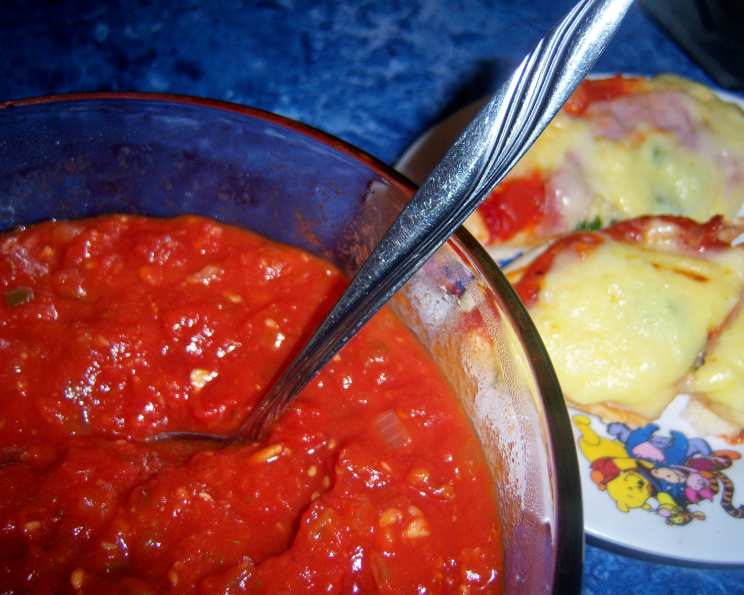
Homemade Freezer Pizza Sauce: A Culinary Staple
The aroma of pizza sauce simmering on the stove always brings me back to my grandmother’s kitchen. She had a huge garden, and come late summer, it was overflowing with tomatoes. Rather than let them go to waste, she’d spend days making huge batches of pizza sauce, filling every spare jar and freezing bags for the long winter ahead. The joy of pulling out that taste of summer in the dead of January, layering it on a crispy crust with fresh mozzarella, that’s a memory I cherish and a tradition I continue in my own kitchen. Now, I’m excited to share with you my version of a perfect pizza sauce, easily made and easily frozen for pizza nights to come!
Recipe Overview
- Prep Time: 10 minutes
- Cook Time: 30 minutes
- Total Time: 40 minutes
- Servings: 4-6 pizzas
- Yield: About 4 cups
- Dietary Type: Vegan, Gluten-Free, Dairy-Free
Ingredients
- 2 tablespoons olive oil
- 1 cup onion, diced
- 8 garlic cloves, minced
- 1 (28 ounce) can diced tomatoes
- 1 (6 ounce) can tomato paste
- 2 teaspoons sugar
- 1 1/2 teaspoons dried oregano (or 3/4 teaspoon ground oregano)
- 2 teaspoons salt
- 1 teaspoon dried basil
- 1 bay leaf
- 1/8 teaspoon pepper
Equipment Needed
- Medium saucepan
- Stirring spoon
- Immersion blender or food processor (optional)
Instructions
- Begin by heating the olive oil in a medium saucepan over medium heat. The oil should shimmer slightly, indicating it’s ready for the next step.
- Add the diced onion and minced garlic to the saucepan. Sauté them until they become soft and translucent, taking care not to brown them. This usually takes about 5-7 minutes. Stir frequently to ensure even cooking and prevent burning.
- Pour in the canned diced tomatoes and stir to combine with the onion and garlic. Don’t drain the tomatoes; the liquid is essential for the sauce’s consistency.
- Stir in the tomato paste. This adds richness and depth of flavor to the sauce. Ensure it is fully incorporated to prevent lumps.
- Add the remaining ingredients: sugar, dried oregano, salt, dried basil, bay leaf, and pepper. Stir well to combine all the flavors.
- Bring the sauce to a simmer. Once simmering, reduce the heat to low, cover the saucepan, and let it simmer for 30 minutes. This allows the flavors to meld together beautifully. Stir occasionally to prevent sticking or scorching on the bottom of the pan. The sauce should thicken slightly during this time.
- Remove the bay leaf from the sauce. It has imparted its flavor and is no longer needed.
- If you prefer a smooth sauce, use an immersion blender directly in the saucepan to puree the sauce to your desired consistency. Alternatively, you can carefully transfer the sauce to a food processor and blend until smooth. Be cautious when blending hot liquids.
Expert Tips & Tricks
- Tomato Variety: The quality of the canned tomatoes makes a big difference. Opt for good-quality, preferably imported, Italian diced tomatoes for a richer flavor.
- Garlic Infusion: To intensify the garlic flavor, you can gently crush the garlic cloves before mincing them. This releases more of the aromatic oils.
- Sweetness Adjustment: Taste the sauce after simmering and adjust the sugar according to your preference. If the tomatoes are particularly acidic, you may need a little extra sugar to balance the flavors.
- Herb Intensity: For a fresher, brighter flavor, consider adding a tablespoon of fresh basil, finely chopped, in the last 5 minutes of simmering.
- Spice It Up: Add a pinch of red pepper flakes to the sauce while simmering for a touch of heat.
- Slow Cooker Adaptation: This recipe is easily adapted for a slow cooker. Simply combine all the ingredients in a slow cooker and cook on low for 4-6 hours.
- Thickening: If the sauce is too thin after simmering, remove the lid and continue to simmer over low heat until it reaches your desired consistency.
Serving & Storage Suggestions
This homemade pizza sauce is perfect for all your pizza creations! Use it on classic pizzas, flatbreads, or even as a dipping sauce for mozzarella sticks or breadsticks.
- Serving: Spread a thin layer of sauce over your pizza dough, leaving a small border for the crust. Top with your favorite cheeses and toppings, and bake according to your dough recipe.
- Storage: Allow the sauce to cool completely before storing.
- Refrigerator: Store the cooled sauce in an airtight container in the refrigerator for up to 5 days.
- Freezer: For longer storage, divide the cooled sauce into freezer-safe containers or zip-top bags. For individual pizzas, consider freezing in 1-cup portions. Label with the date. The sauce can be frozen for up to 3 months.
- Reheating: Thaw the frozen sauce in the refrigerator overnight or use the defrost setting on your microwave. Reheat the sauce in a saucepan over low heat until warmed through, stirring occasionally.
Nutritional Information
(Estimated, per 1/2 cup serving)
| Nutrient | Amount per Serving | % Daily Value |
|---|---|---|
| Calories | 90 kcal | 5% |
| Total Fat | 4g | 6% |
| Saturated Fat | 0.5g | 3% |
| Cholesterol | 0mg | 0% |
| Sodium | 750mg | 33% |
| Total Carbohydrate | 12g | 4% |
| Dietary Fiber | 2g | 8% |
| Sugars | 7g | |
| Protein | 2g | 4% |
Variations & Substitutions
- Roasted Garlic: For a deeper, sweeter garlic flavor, roast the garlic before adding it to the sauce. Wrap a head of garlic in foil with olive oil and roast at 400°F (200°C) for 45 minutes, or until soft. Squeeze the roasted garlic cloves into the sauce.
- Fresh Herbs: Enhance the flavor with fresh herbs like oregano, basil, or thyme. Add them towards the end of the simmering time.
- Spicy Arrabbiata: Add red pepper flakes to the sauce while simmering to create a spicy arrabbiata-style sauce.
- Vodka Sauce: For a richer, creamier sauce, stir in a splash of vodka after simmering and before blending. You can also add a touch of cream or half-and-half.
- Mushroom Pizza Sauce: Sauté sliced mushrooms with the onions and garlic for an earthy, umami-rich sauce.
- Sun-Dried Tomato Pizza Sauce: Add chopped sun-dried tomatoes (oil-packed, drained) to the sauce for an intense tomato flavor.
- Low-Sodium: Use low-sodium diced tomatoes and reduce the amount of added salt.
FAQs (Frequently Asked Questions)
Q: Can I use fresh tomatoes instead of canned?
A: Yes, you can! Use about 2 pounds of fresh tomatoes, peeled, seeded, and chopped. You may need to simmer the sauce longer to reduce the excess liquid.
Q: How do I prevent the sauce from splattering while simmering?
A: Use a splatter screen or partially cover the saucepan.
Q: Can I add other vegetables to the sauce?
A: Absolutely! Bell peppers, zucchini, or carrots can be sautéed with the onions and garlic for added flavor and nutrition.
Q: How do I know when the sauce is done?
A: The sauce is done when it has thickened to your desired consistency and the flavors have melded together. Taste and adjust seasonings as needed.
Q: My sauce is too acidic. What can I do?
A: Add a pinch of baking soda to neutralize the acidity. Be careful, as it will bubble up. Stir well and taste before adding more. A touch more sugar can also help balance the flavors.
Final Thoughts
This freezer pizza sauce is a kitchen essential, ready to elevate any pizza night. It’s simple to make, incredibly versatile, and tastes so much better than store-bought versions. I encourage you to try it and adapt it to your own preferences. Experiment with different herbs, spices, and vegetables to create your signature pizza sauce. Once you’ve made a batch, let me know what you think! I’d love to hear about your variations and how you’re using this sauce to create delicious pizzas at home. Perhaps a pairing with a crisp Italian white wine, and a simple arugula salad? Happy cooking!