
Unlock Summer’s Bounty: The Ultimate Guide to Freezing Fresh Herbs
I remember my grandmother’s garden, a vibrant tapestry of colors and scents. The aroma of basil, rosemary, and thyme would cling to my clothes after helping her harvest, a fragrant reminder of those sun-drenched days. She always had more herbs than she could use fresh, and her method for preserving them – drying – often left them brittle and lacking that vibrant, fresh flavor. Over the years, I’ve perfected a simple technique for freezing herbs that captures their essence, allowing me to enjoy the taste of summer all year round, no matter the season. I hope this easy method will help you do the same!
Recipe Overview
- Prep Time: 5 minutes
- Yields: 1 bag
- Serves: Variable, depending on usage
- Dietary Type: Vegan, Gluten-Free, Dairy-Free, Vegetarian
Ingredients
- Basil
- Oregano
- Thyme
- Rosemary
- Cilantro
- Parsley
- Herbs of your choosing (the ones listed are the ones I’ve tried)
Equipment Needed
- Large bowl or sink
- Salad spinner or clean kitchen towels
- Cutting board
- Chef’s knife
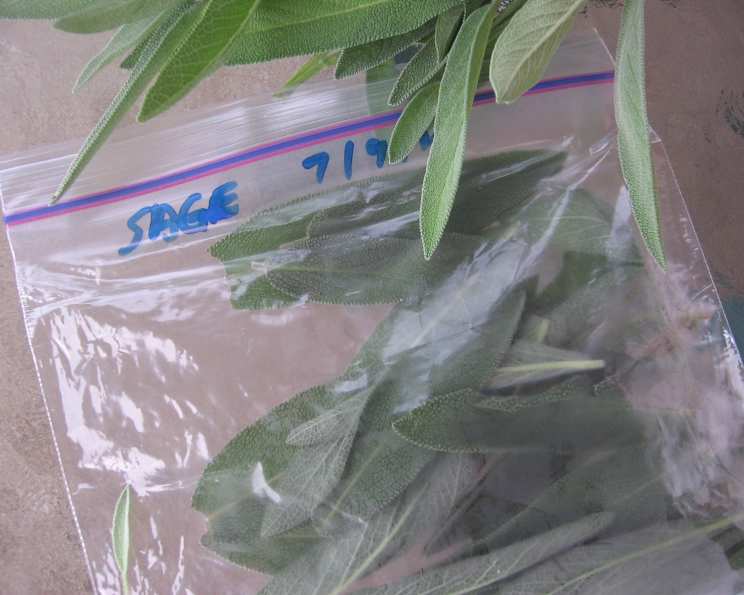
- Ziploc bags (freezer-safe)
- Sharpie marker
Instructions
- Begin by thoroughly washing your harvested herbs. You can use a large bowl filled with cold water or rinse them under a gentle stream in the sink. Remove any dirt, debris, or wilted leaves.
- Once washed, gently dry the herbs. A salad spinner works wonderfully for this, but you can also spread them out on clean kitchen towels and pat them dry. Excess moisture can lead to freezer burn, so ensure they are as dry as possible.
- For herbs like rosemary, thyme, and oregano, which are typically used for their leaves, trim the leaves from the stems. Simply pinch the leaves between your fingers and pull them off. Discard the tough, woody stems.
- For herbs like parsley, cilantro, basil, and dill, you can leave the stems intact but trim off the very ends near the base. These stems are more tender and can be used in cooking, so there’s no need to discard them unless they are tough or discolored.
- If you’re only using the leaves (like with rosemary or oregano), simply place the leaves as is into a freezer-safe Ziploc bag.
- If you’re using the whole herb (like parsley, cilantro, dill, and basil), roughly chop them before placing them in the bag. I like to lay them on a cutting board and use a chef’s knife to cut them into 1-2 inch pieces. This makes them easier to use later.
- Once the herbs are in the bag, squish all the air out. Removing air minimizes freezer burn and helps the herbs retain their flavor and color.
- Label each bag using a Sharpie marker, including the date. This is crucial for keeping track of what you have and ensuring you use the herbs while they are still at their peak quality.
- Place the labeled bags in the freezer. Make sure they are lying flat for even freezing.
- When ready to use, simply break off/take out the amount you need and chop as needed. The herbs will be slightly fragile when frozen, so handle them gently.
Expert Tips & Tricks
- Flash Freezing: For individual leaves, consider flash-freezing them before bagging. Spread the leaves in a single layer on a baking sheet lined with parchment paper and freeze for about 30 minutes. Then, transfer them to a Ziploc bag. This prevents them from clumping together.
- Herb Cubes: An alternative to chopping is to blend the herbs with a little olive oil or water and freeze them in ice cube trays. Once frozen, transfer the cubes to a Ziploc bag. These herb cubes are perfect for adding to soups, stews, and sauces.
- Don’t overcrowd: Avoid overfilling the Ziploc bags. Too many herbs in one bag can lead to uneven freezing and freezer burn.
- Dry, dry, dry! I cannot stress enough how important it is for the herbs to be very dry before freezing. Extra moisture will cause ice crystals to form and affect the herbs texture and flavor.
- Use high-quality freezer bags: Thinner, less durable bags are more prone to punctures, letting air in and causing freezer burn. Spring for the good stuff!
Serving & Storage Suggestions
Frozen herbs are best used in cooked dishes, where their slightly softened texture is less noticeable. Add them to soups, stews, sauces, stir-fries, and casseroles. They can also be added to marinades and vinaigrettes.
Frozen herbs can last in the freezer for up to 6-12 months. For optimal flavor, use them within 6 months. Be sure to properly label each bag with the date to ensure you use them at their best. Since the herbs will be frozen in a solid chunk, be sure to press the air out of the bag each time you use them and reseal.
Nutritional Information
Please note that the nutritional information can vary depending on the specific herbs used and the amount consumed.
| Nutrient | Amount per Serving | % Daily Value |
|---|---|---|
| Calories | ~0 kcal | ~0% |
| Total Fat | ~0g | ~0% |
| Saturated Fat | ~0g | ~0% |
| Cholesterol | ~0mg | ~0% |
| Sodium | ~0mg | ~0% |
| Total Carbohydrate | ~0g | ~0% |
| Dietary Fiber | ~0g | ~0% |
| Sugars | ~0g | ~0% |
| Protein | ~0g | ~0% |
Variations & Substitutions
- Single Herb Bags: If you prefer, you can freeze each herb separately in its own bag. This gives you more flexibility when cooking.
- Herb Blends: Create your own custom herb blends by combining different herbs in a single bag. This is a great way to simplify your cooking process.
- Olive Oil Preservation: Some people prefer to chop herbs and mix them with olive oil before freezing. This helps to preserve their flavor and prevent freezer burn. The resulting paste can be added directly to dishes.
- Butter Preservation: Similar to olive oil, you can chop herbs and mix them with softened butter before freezing. This is a delicious way to add flavor to sauces, vegetables, and meats.
FAQs (Frequently Asked Questions)
Q: Will frozen herbs taste as good as fresh herbs?
A: While frozen herbs may not have the exact same vibrant flavor and texture as fresh herbs, they retain significantly more flavor than dried herbs and are a convenient way to enjoy the taste of summer all year round.
Q: Can I freeze all types of herbs?
A: Yes, this method works well for most common herbs, including basil, rosemary, thyme, oregano, cilantro, parsley, dill, and mint. More delicate herbs like chives can also be frozen, but their texture may change slightly.
Q: How long can I store frozen herbs?
A: Frozen herbs can be stored in the freezer for up to 6-12 months. For the best flavor, use them within 6 months.
Q: Do I need to thaw the herbs before using them?
A: No, you do not need to thaw the herbs before using them. You can add them directly to your dishes while they are still frozen. They will thaw quickly in the heat.
Q: What if my herbs get freezer burn?
A: Freezer burn can affect the flavor and texture of the herbs. If your herbs have freezer burn, it is best to discard them and start with a fresh batch. Proper storage and minimizing air exposure can help prevent freezer burn.
Final Thoughts
Don’t let your garden’s bounty go to waste! Freezing herbs is an easy and effective way to preserve their flavor and enjoy them year-round. This simple technique will transform the way you use and appreciate fresh herbs. I encourage you to try it out and share your creations with family and friends. And don’t be afraid to experiment with different herb combinations and cooking methods! Happy cooking!