
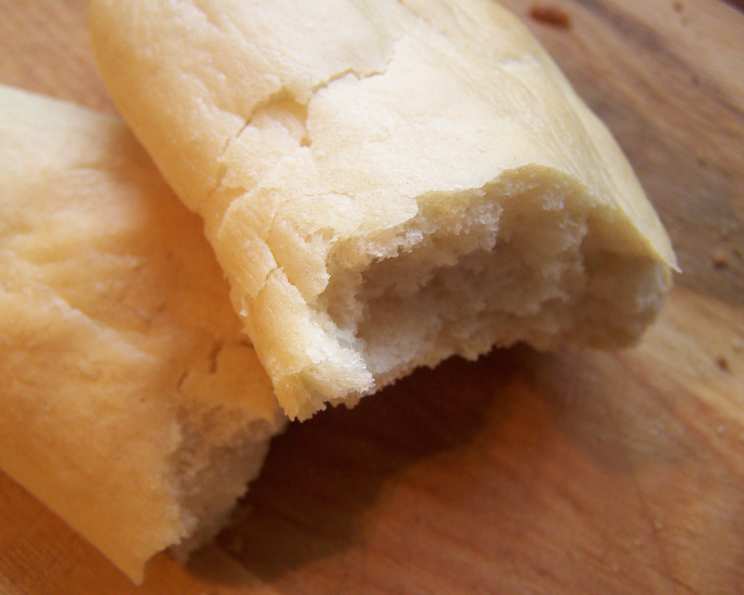
Mastering the Art of the French Baguette: A Baker’s Journey
The memory is etched in my mind: the cobblestone streets of Paris, the early morning chill, and the aroma—oh, that unforgettable aroma—wafting from a nearby boulangerie. I could almost taste the crisp, golden crust and the soft, airy interior of the baguette before I even stepped inside. The baker, flour dusting his apron, handed me a still-warm loaf. That first bite—a symphony of textures and flavors—ignited my lifelong passion for baking the perfect French baguette. It’s more than just bread; it’s an experience, a taste of France in every bite.
Recipe Overview
- Prep Time: 45 minutes
- Cook Time: 25 minutes
- Total Time: 1 hour 40 minutes
- Yields: 3 baguettes
- Serves: 10
- Dietary Type: Vegetarian
Ingredients
- 200 ml water, lukewarm
- 1 3/4 tablespoons dry yeast
- 1 teaspoon salt
- 300 g all-purpose flour (or less)
- Water for brushing
- Salted butter (optional, for brushing after baking)
Equipment Needed
- Large mixing bowl
- Clean work surface
- Tea towel
- Sharp knife
- Baking sheet
Instructions
-
In a large mixing bowl, pour the lukewarm water and add the dry yeast. Let stand for 5 minutes to allow the yeast to activate.
-
Mix the yeast and water until all the yeast is completely dissolved.
-
Add the salt.
-
Gradually add the all-purpose flour, a bit at a time. As the dough becomes too heavy to stir comfortably in the bowl, transfer it to a lightly floured table or work surface.
-
Knead the dough vigorously for as long as you like – the more you knead, the better the gluten development and the chewier the crumb. The consistency of the dough is crucial: it should not be sticky, nor should it be overly dry. Aim for a supple, elastic texture. A good test is to gently toss the dough from hand to hand like a ball; if it holds its shape well, the consistency is likely correct.
-
Place the kneaded dough in a lightly oiled bowl, turning to coat. Cover the bowl with a clean tea towel and let the dough rise in a warm place for 30 minutes. This allows the yeast to ferment and the dough to increase in volume.
-
Preheat your oven to 375°F (190°C). Ensure the oven rack is positioned in the middle for even baking.
-
Once the dough has risen, gently punch it down to release the trapped air. Divide the dough into 3-4 equal portions. Shape each portion into a long, slender baguette.
-
Place the formed baguettes on a baking sheet lined with parchment paper. Cover them with a clean tea towel and let them rise for another 15 minutes. This second rise contributes to the final light and airy texture.
-
Using a very sharp knife or a lame (a special bread-scoring tool), make diagonal slits across the top of each baguette, spacing them approximately every 2-3 inches. These slits allow the bread to expand evenly during baking and create the characteristic baguette appearance.
-
Immediately before placing the baguettes in the oven, brush them generously with water. A simple method is to wet a paper towel and quickly run it along the surface of each baguette. The moisture creates steam during baking, which is essential for a crispy crust.
-
Bake the baguettes for approximately 25 minutes, or until they turn a beautiful golden-brown color. Keep a close eye on them during the final minutes of baking to prevent burning.
-
(Optional) While the baguettes are still warm from the oven, lightly brush them with salted butter (or a butter substitute) for added richness and flavor.
Expert Tips & Tricks
-
Yeast Activation: Always check the expiration date of your yeast. If it’s old, it might not activate properly, leading to a dense baguette. Proof the yeast by mixing it with warm (not hot) water and a pinch of sugar. If it doesn’t foam after 5-10 minutes, it’s best to get fresh yeast.
-
Flour Power: The type of flour you use significantly impacts the final product. Bread flour, with its higher protein content, yields a chewier baguette. All-purpose flour works well too, but you might need to adjust the amount to achieve the right dough consistency.
-
Kneading is Key: Kneading develops gluten, which gives the baguette its structure and chew. Don’t be afraid to knead the dough for a good 10-15 minutes. If you’re using a stand mixer, use the dough hook attachment and knead on medium speed for about 8-10 minutes.
-
Oven Steam: Creating steam in the oven is crucial for a crispy crust. Besides brushing with water, you can place a pan of hot water on the bottom rack of the oven during baking. Remove it halfway through to allow the crust to dry out and become extra crispy.
-
Scoring Success: Scoring the baguettes properly requires a sharp knife or a lame. Make quick, confident slashes at a 45-degree angle. This prevents the bread from bursting unevenly during baking.
-
Listen to Your Dough: Experienced bakers rely on how the dough feels. It should be smooth, elastic, and slightly tacky to the touch. Don’t be afraid to adjust the amount of flour or water slightly to achieve the desired consistency.
Serving & Storage Suggestions
Serve your freshly baked baguettes warm, ideally within a few hours of baking, to enjoy their optimal crispness and flavor. They are wonderful on their own, dipped in olive oil, or as an accompaniment to soups, stews, and cheeses.
To store leftovers, wrap the baguettes tightly in a clean kitchen towel or a paper bag. They will stay fresh for about 1-2 days at room temperature. For longer storage, you can freeze the baguettes. Wrap them tightly in plastic wrap and then in foil. Frozen baguettes can last for up to 2-3 months. To reheat, thaw completely and then bake in a preheated oven at 350°F (175°C) for 5-10 minutes, or until warmed through.
Nutritional Information
| Nutrient | Amount per Serving | % Daily Value |
|---|---|---|
| Calories | 116 kcal | N/A |
| Calories from Fat | 4 g | 3% |
| Total Fat | 0.5 g | 0% |
| Saturated Fat | 0.1 g | 0% |
| Cholesterol | 0 mg | 0% |
| Sodium | 234.8 mg | 9% |
| Total Carbohydrate | 23.8 g | 7% |
| Dietary Fiber | 1.4 g | 5% |
| Sugars | 0.1 g | 0% |
| Protein | 4 g | 7% |
Variations & Substitutions
-
Whole Wheat Baguette: Substitute up to half of the all-purpose flour with whole wheat flour for a nuttier flavor and added fiber.
-
Herb-Infused Baguette: Knead in a tablespoon of finely chopped fresh herbs, such as rosemary, thyme, or oregano, for a flavorful twist.
-
Garlic Baguette: Before baking, brush the baguettes with garlic-infused olive oil for a savory treat.
-
Seeded Baguette: Sprinkle the baguettes with sesame seeds, poppy seeds, or sunflower seeds before baking for added texture and flavor.
-
Sourdough Baguette: For a tangier flavor, use a sourdough starter in place of the dry yeast. Note that this will require a longer fermentation time.
FAQs (Frequently Asked Questions)
Q: Why is my baguette not crispy?
A: Lack of steam in the oven is often the culprit. Be sure to brush the baguettes with water before baking or use the pan of water method. Also, make sure your oven is hot enough.
Q: My baguette is too dense. What did I do wrong?
A: Possible causes include using old yeast, not kneading enough, or not allowing the dough to rise sufficiently. Ensure your yeast is active, knead the dough well, and give it ample time to rise in a warm place.
Q: Can I make the dough ahead of time?
A: Yes, you can prepare the dough in advance and store it in the refrigerator for up to 24 hours. This allows for a slower fermentation, which can enhance the flavor of the baguette. Punch down the dough before shaping and baking.
Q: How can I get those beautiful slashes on the baguette?
A: Use a very sharp knife or a lame and make quick, confident slashes at a 45-degree angle. Practice makes perfect!
Q: Can I use a stand mixer to make the dough?
A: Absolutely! Use the dough hook attachment and knead on medium speed for about 8-10 minutes, or until the dough is smooth and elastic.
Final Thoughts
Baking a French baguette is a labor of love, but the reward—a perfectly crisp and flavorful loaf of bread—is well worth the effort. Don’t be discouraged if your first attempt isn’t perfect. Like any skill, it takes practice to master. So, preheat your oven, gather your ingredients, and embark on this culinary adventure. Share your creations with friends and family, and don’t hesitate to experiment with different variations to find your own signature baguette. Bon appétit!