
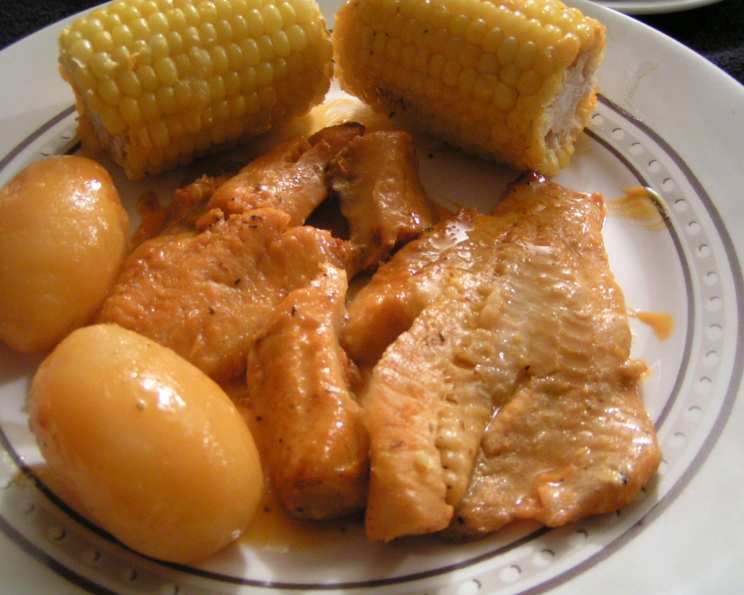
French Broiled Flounder: A Culinary Heirloom
The first time I tasted this dish, I was a young culinary student, intimidated by the sheer complexity of French cuisine. Then, a family friend, a woman with a mischievous twinkle in her eye and a kitchen full of secrets, served me this flounder. It was unexpectedly simple, yet the flavors were bright, balanced, and utterly captivating. The flaky fish, kissed by the broiler’s heat and bathed in a tangy-sweet sauce, transported me to a sun-drenched Provençal market. It proved that sometimes, the most memorable dishes are the ones that celebrate simplicity and fresh ingredients.
Recipe Overview
- Prep Time: 10 minutes
- Cook Time: 6 minutes
- Total Time: 16 minutes
- Servings: 1
- Yield: 1 flounder fillet
- Dietary Type: Pescatarian
Ingredients
- 10 ounces flounder, cleaned, scaled, and ready to cook (per person)
- 1/2 tablespoon lemon juice (per fish)
- 1/8 teaspoon garlic powder (per fish) or 1/2 small garlic clove, minced (per fish)
- 1 pinch white pepper (per fish)
For the Sauce:
- 1/4 cup balsamic vinegar
- 1/2 cup virgin olive oil
- 1/2 cup sugar substitute
- 3 tablespoons ketchup
- 1/4 teaspoon salt
- 1/2 teaspoon white pepper
Equipment Needed
- Blender
- Broiler
- Baking sheet (optional, but recommended for easier cleanup)
Instructions
- Prepare the Sauce: Combine all sauce ingredients (balsamic vinegar, olive oil, sugar substitute, ketchup, salt, and white pepper) in a blender. Blend until the mixture is smooth and well combined. Refrigerate the sauce for at least 2 hours. This “curing” process allows the flavors to meld and the sauce to thicken slightly.
- Prep the Flounder: Score the top of the flounder fillet in a diamond pattern. This will help the sauce penetrate the fish and ensure even cooking.
- Season the Fish: Carefully dash the scored flounder with lemon juice. Then, add garlic powder (or minced garlic) and sprinkle with a pinch of white pepper. Be mindful of the amount of garlic; too much can overpower the delicate flavor of the flounder.
- Apply the Sauce: Brush the prepared sauce liberally over the flounder fillet, ensuring it coats the entire surface, especially the scored areas.
- First Broil: Place the sauced flounder under a preheated broiler. Broil for 2 minutes, then remove from the broiler and brush with another layer of sauce. This double application helps create a rich, glazed finish.
- Final Broil: Return the flounder to the broiler for another 2-4 minutes, or until the fish is light and flaky when gently prodded with a fork. The exact broiling time will depend on the thickness of the fillet and the strength of your broiler, so keep a close eye on it to prevent burning. The internal temperature should reach 145°F (63°C).
- Serve Immediately: Remove the broiled flounder from the oven and serve immediately.
Expert Tips & Tricks
- Don’t Overcrowd: If cooking multiple fillets, ensure they are spaced adequately on the baking sheet to allow for even heat distribution. Overcrowding can lead to steaming instead of broiling, resulting in a less desirable texture.
- Balsamic Balance: The quality of the balsamic vinegar significantly impacts the final flavor. Using a high-quality balsamic will lend a smoother, more complex sweetness to the sauce.
- Sugar Substitute Considerations: The type of sugar substitute used will affect the sauce’s sweetness and texture. Some substitutes may not thicken as much as sugar. Adjust the amount to your desired sweetness and consistency. A touch of honey or maple syrup can also be used, though this will change the dietary profile.
- Garlic Infusion: For a more pronounced garlic flavor, infuse the olive oil with garlic before making the sauce. Gently heat the olive oil with crushed garlic cloves until fragrant, then remove the garlic before blending the sauce.
- Prevent Sticking: To prevent the flounder from sticking to the baking sheet, you can lightly grease it with cooking spray or line it with parchment paper.
- Broiler Monitoring: Broiling can be tricky, as the heat is intense and direct. Watch the fish carefully and adjust the rack position if necessary to prevent burning. The fish should be close enough to the broiler to cook quickly but not so close that it chars before it cooks through.
Serving & Storage Suggestions
This French broiled flounder is best served immediately while it’s hot and the sauce is glossy. It pairs beautifully with a simple side salad, steamed asparagus, or roasted vegetables. Elswet’s Jasmine Rice (Recipe #109059) is also an excellent accompaniment.
Leftover sauce can be stored in an airtight container in the refrigerator for up to 5 days and used as a salad dressing or marinade for other proteins or vegetables.
Cooked flounder is best enjoyed immediately. However, if you have leftovers, store them in an airtight container in the refrigerator for up to 2 days. Reheat gently in a skillet over low heat or in a microwave, being careful not to overcook it.
Nutritional Information
| Nutrient | Amount per Serving | % Daily Value* |
|---|---|---|
| Calories | 1570 kcal | N/A |
| Calories from Fat | 1004 g | 64% |
| Total Fat | 111.6 g | 171% |
| Saturated Fat | 15.8 g | 78% |
| Cholesterol | 136.1 mg | 45% |
| Sodium | 1314.7 mg | 54% |
| Total Carbohydrate | 87.9 g | 29% |
| Dietary Fiber | 0.6 g | 2% |
| Sugars | 78.3 g | 313% |
| Protein | 56.2 g | 112% |
*Percent Daily Values are based on a 2,000 calorie diet. Your daily values may be higher or lower depending on your calorie needs.
Variations & Substitutions
- Herbed Flounder: Add fresh herbs like thyme, parsley, or chives to the sauce for a more aromatic flavor.
- Spicy Flounder: Add a pinch of red pepper flakes or a dash of hot sauce to the sauce for a kick of heat.
- Citrus Variation: Substitute orange juice or grapefruit juice for the lemon juice for a different citrusy note. You can also add some zest to the sauce.
- Dijon Touch: A teaspoon of Dijon mustard can be added to the sauce for a more complex and tangy flavor.
- Wine Reduction: Replace half of the balsamic vinegar with dry white wine and reduce it in a saucepan before adding it to the blender. This adds depth and complexity to the sauce.
- Fish Swap: If flounder isn’t available, you can substitute it with other delicate white fish such as sole, cod, or haddock. Adjust cooking times accordingly.
FAQs (Frequently Asked Questions)
Q: Can I use a different sugar substitute?
A: Yes, you can use your preferred sugar substitute. Just be aware that different substitutes have different sweetness levels, so adjust accordingly.
Q: How do I know when the flounder is done?
A: The flounder is done when it’s opaque and flakes easily when gently prodded with a fork. The internal temperature should reach 145°F (63°C).
Q: Can I make the sauce ahead of time?
A: Absolutely! In fact, chilling the sauce for at least 2 hours is recommended, as it allows the flavors to meld and thicken.
Q: Can I bake the flounder instead of broiling it?
A: Yes, you can bake the flounder at 375°F (190°C) for approximately 10-12 minutes, or until it’s cooked through. Keep an eye on it to prevent it from drying out.
Q: Is there a vegetarian alternative to this recipe?
A: While this specific recipe focuses on flounder, the sauce itself can be adapted for vegetables. Try broiling or grilling eggplant, zucchini, or bell peppers and brushing them with the sauce for a delicious vegetarian option.
Final Thoughts
This French broiled flounder is a testament to the magic that can happen when simple ingredients are treated with care and respect. It’s a dish that’s both elegant and approachable, perfect for a weeknight dinner or a special occasion. Don’t be afraid to experiment with the variations and substitutions to create your own unique version. I encourage you to try this recipe and share your feedback. Pair it with a crisp white wine and enjoy the flavors of the French coast!