
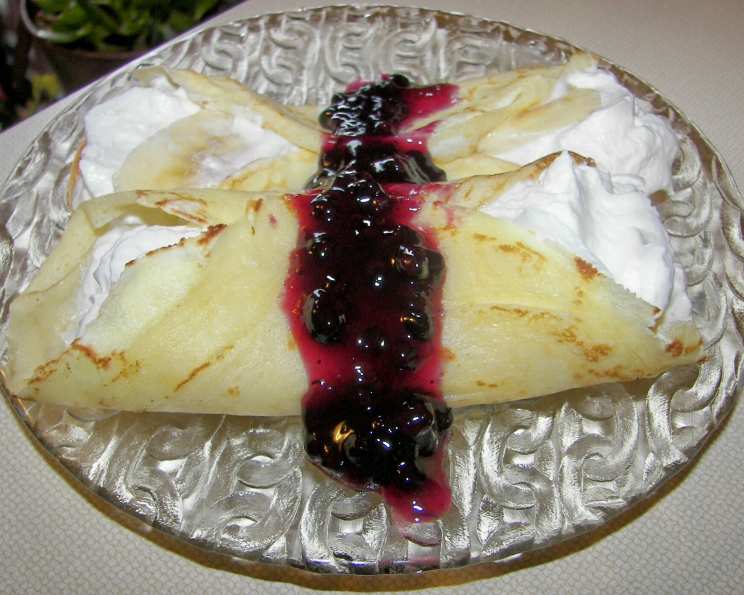
Mastering French Crêpes: A Culinary Journey
The first time I tasted a perfectly made crêpe, I was a wide-eyed child in Paris. The aroma of sweet butter and caramelized sugar filled the air as the street vendor expertly twirled the batter on the hot griddle. He then folded it with a flourish, adding a generous dollop of Nutella and a sprinkle of powdered sugar. That simple crêpe, eaten while wandering along the Seine, sparked a lifelong love affair with French cuisine, and the pursuit of the perfect crêpe has been a delicious adventure ever since.
Recipe Overview
- Prep Time: 15 minutes
- Cook Time: 30 minutes
- Total Time: 45 minutes (including resting time)
- Servings: Approximately 15 crêpes
- Yield: 1 batch of crêpe batter
- Dietary Type: Not suitable for Vegan or Dairy-Free diets
Ingredients
- 500 g flour
- 5 large eggs, slightly beaten
- 1 liter milk
- 1 tablespoon rum (or beer)
- 1 pinch salt
Equipment Needed
- Large mixing bowl
- Fork or whisk
- Crêpe pan or heavy frying pan
- Metal spatula
- Pastry brush
- Plate
- Aluminum foil
Instructions
- In a large mixing bowl, combine the flour and salt.
- Create a well in the center of the flour mixture.
- Pour the slightly beaten eggs into the well.
- Using a fork, gently stir the eggs into the flour, gradually incorporating the flour from the edges of the well until a thick paste forms.
- Stir in the rum (or beer). The alcohol adds a subtle flavor and helps to create a more tender crêpe.
- Gradually add the milk, stirring constantly with a fork or whisk. It’s crucial to add the milk slowly to prevent lumps from forming.
- Continue stirring until the batter is smooth and free of lumps. If necessary, use an immersion blender to break up any remaining lumps. A smooth batter is essential for thin, delicate crêpes.
- Let the batter rest for 30 minutes at room temperature. This allows the gluten in the flour to relax, resulting in a more tender crêpe. Resting also allows any bubbles to dissipate, creating a smoother batter.
- Lightly brush a crêpe pan or heavy frying pan with melted butter. The pan should be hot but not smoking. A non-stick pan is highly recommended for easier crêpe removal.
- Once the pan is hot, pour in just enough batter to thinly cover the bottom of the pan. The amount of batter will vary depending on the size of your pan. Aim for a thin, even layer.
- Immediately tilt the pan in a circular motion to spread the batter evenly across the surface. Work quickly to ensure a thin, uniform crêpe.
- Cook the crêpe until the bottom is golden brown, approximately 1 minute. The edges of the crêpe will start to lift from the pan, indicating that it’s ready to flip.
- Using a metal spatula, carefully flip the crêpe. Be gentle to avoid tearing the delicate crêpe.
- Cook the second side until it is also golden brown, about 30 seconds to 1 minute.
- Transfer the cooked crêpe to a plate and cover with aluminum foil to keep warm while you continue cooking the remaining batter.
- Repeat the cooking process until all the batter is used. You may need to adjust the heat as you go to maintain a consistent cooking temperature.
- Serve immediately with your favorite fillings or store for later use.
- Unfilled crepes can be well wrapped and frozen for future enjoyment.
- If you want to make a smaller batch, the recipe can be halved, but then only use two eggs.
Expert Tips & Tricks
- Batter Consistency is Key: The batter should be thin, like heavy cream. If it’s too thick, add a little more milk. If it’s too thin, add a tablespoon of flour at a time until you reach the desired consistency.
- Pan Temperature: Maintaining the correct pan temperature is crucial for even cooking. If the pan is too hot, the crêpes will burn. If it’s too cold, they will be pale and stick to the pan.
- Butter the Pan Sparingly: Too much butter will make the crêpes greasy. Use just enough to prevent sticking.
- Preventing Tears: If your crêpes are tearing, it could be due to several factors: the batter is too thin, the pan is not hot enough, or you’re not using enough butter. Adjust accordingly.
- Make-Ahead Batter: The batter can be made a day in advance and stored in the refrigerator. This allows the flavors to meld even further. Be sure to stir well before using.
Serving & Storage Suggestions
Crêpes are incredibly versatile and can be served with a variety of sweet and savory fillings.
Serving Suggestions:
- Sweet: Nutella, fresh fruit (berries, bananas, peaches), whipped cream, powdered sugar, chocolate sauce, caramel sauce, jam, lemon curd, maple syrup.
- Savory: Ham and cheese, spinach and ricotta, mushrooms and Gruyère, ratatouille, smoked salmon and cream cheese.
Storage:
- Room Temperature: Cooked crêpes can be stored at room temperature for up to 2 hours.
- Refrigerator: Store cooked crêpes in the refrigerator for up to 3 days. Stack them between sheets of parchment paper to prevent sticking.
- Freezer: Freeze cooked crêpes for up to 2 months. Wrap them tightly in plastic wrap and then place them in a freezer-safe bag.
Reheating:
- Microwave: Reheat crêpes in the microwave for 10-20 seconds.
- Skillet: Reheat crêpes in a lightly buttered skillet over medium heat for 1-2 minutes per side.
- Oven: Reheat crêpes in a preheated oven at 350°F (175°C) for 5-10 minutes.
Nutritional Information
(Estimated per crêpe, unfilled)
| Nutrient | Amount per Serving | % Daily Value |
|---|---|---|
| Calories | 192 kcal | 10% |
| Total Fat | 4.5 g | 6% |
| Saturated Fat | 2.1 g | 10% |
| Cholesterol | 80 mg | 26% |
| Sodium | 68 mg | 2% |
| Total Carbohydrate | 29 g | 9% |
| Dietary Fiber | 1 g | 3% |
| Sugars | 0 g | 0% |
| Protein | 8 g | 15% |
Variations & Substitutions
- Gluten-Free Crêpes: Substitute the all-purpose flour with a gluten-free flour blend.
- Dairy-Free Crêpes: Use non-dairy milk, such as almond milk, soy milk, or oat milk.
- Buckwheat Crêpes (Galettes): Use buckwheat flour for a nutty, savory flavor. These are traditionally served with savory fillings.
- Herb Crêpes: Add chopped fresh herbs, such as chives, parsley, or thyme, to the batter for a flavorful twist.
- Sweetened Crêpes: Add a tablespoon or two of sugar to the batter for a sweeter crêpe.
FAQs (Frequently Asked Questions)
Q: Why is my crêpe batter lumpy?
A: Lumpy batter is usually caused by adding the milk too quickly. Be sure to add the milk gradually, whisking constantly to prevent lumps from forming. If you still have lumps, you can strain the batter through a fine-mesh sieve.
Q: How do I keep my crêpes warm while I’m cooking the rest?
A: As each crêpe is cooked, transfer it to a plate and cover with aluminum foil to keep it warm and prevent it from drying out. You can also keep them warm in a low oven (200°F or 95°C).
Q: My crêpes are sticking to the pan. What am I doing wrong?
A: Sticking can be caused by several factors: the pan is not hot enough, you’re not using enough butter, or your pan is not non-stick. Make sure the pan is properly heated before adding the batter and use a non-stick pan if possible.
Q: Can I make crêpes ahead of time?
A: Yes, crêpes can be made ahead of time and stored in the refrigerator or freezer. Stack them between sheets of parchment paper to prevent sticking.
Q: What is the best way to reheat crêpes?
A: Crêpes can be reheated in the microwave, in a lightly buttered skillet, or in the oven. See the “Serving & Storage Suggestions” section for detailed instructions.
Final Thoughts
Making French crêpes at home is easier than you might think, and the possibilities for fillings are endless. This recipe is a perfect starting point for creating your own culinary masterpiece. Gather your ingredients, follow the steps, and don’t be afraid to experiment with different flavors and fillings. Whether you’re enjoying a sweet treat for breakfast or a savory delight for dinner, these homemade crêpes are sure to impress. So go ahead, give it a try and share your creations! Bon appétit!