
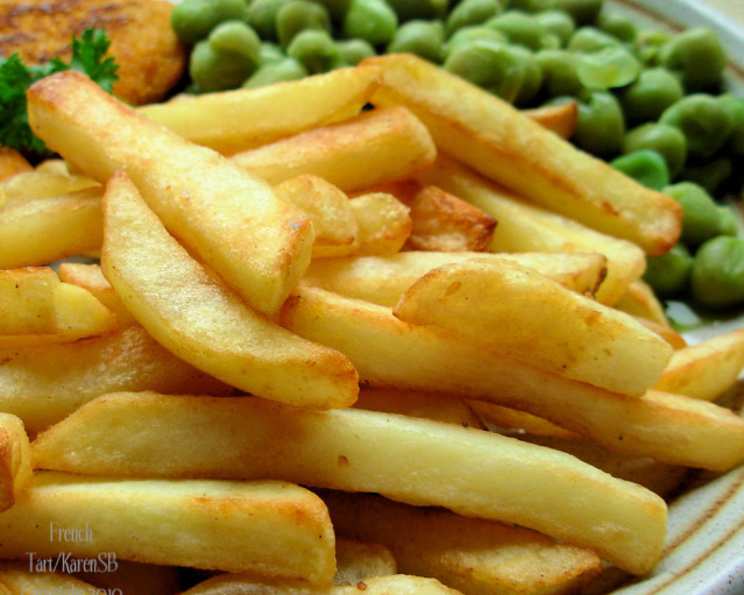
The Quest for the Perfect Fry: A Home Chef’s Journey
The smell of French fries always takes me back to childhood summers at the lake. My grandfather, a man of few words but boundless enthusiasm for simple pleasures, would deep-fry potatoes in a cast iron skillet on the porch, the air thick with the savory aroma. We’d eat them right from the paper towels, piping hot and perfectly imperfect, each fry a little different but always delicious. That memory, that pure joy, is what I chase every time I make fries at home. After countless batches and minor kitchen mishaps, I think I’ve finally cracked the code to achieving crispy, golden perfection in my own kitchen.
Recipe Overview
- Prep Time: 2 hours 15 minutes
- Cook Time: 6-10 minutes
- Total Time: 2 hours 25 minutes
- Servings: 4
- Yield: Variable, depending on potato size
- Dietary Type: Vegetarian, Gluten-Free
Ingredients
- 4 russet potatoes, preferably Idaho
- 2 tablespoons sugar
- Water, enough to cover your potatoes
- Peanut oil (enough to fill your pot at least halfway)
- Onion powder
- Salt
- Optional: Greek seasoning, pepper
Equipment Needed
- Large bowl
- Dutch oven or heavy-bottomed pot
- Slotted spoon or spider
- Paper towels
- Thermometer (optional, for oil temperature)
Instructions
-
Begin by washing your potatoes thoroughly under cool water, scrubbing away any dirt. A vegetable brush works wonders for this.
-
Inspect the potatoes and carefully cut off any blemishes or “eyes.”
-
Now, for the all-important fry cut: Slice each potato into 1/4- to 1/3-inch thick planks, holding the potato upright as you go. Precision here ensures even cooking.
-
Rotate the potato a quarter turn and slice it again into similar-sized planks. This will give you those perfectly rectangular fries we all crave. (I personally prefer to leave the skins on for added texture and rustic appeal, but feel free to peel them if you prefer a smoother fry).
-
Place the sliced potatoes into a large bowl.
-
In a separate container, mix 2 tablespoons of sugar with 2 cups of water, stirring until the sugar is completely dissolved.
-
Pour the sugar water over the potatoes. Then, add enough plain water to completely submerge the potatoes, ensuring they are all evenly covered. Gently swirl the water to distribute the sugar throughout.
-
This is a crucial step: Let the potatoes soak in the sugar water for at least 2 hours. This soaking process draws out excess starch, leading to crispier fries in the end. If you plan to soak them for longer than 3 hours, transfer the bowl to the refrigerator to prevent any unwanted fermentation.
-
When you’re ready to fry, pour the peanut oil into your Dutch oven or heavy-bottomed pot, filling it about halfway.
-
Heat the oil over high heat. For safety and optimal results, use a thermometer to monitor the oil temperature. Aim for around 325°F (160°C) for the first fry.
-
After about 2 1/2 minutes, test the oil temperature by carefully placing a single dried fry into the hot oil. If it starts to fry vigorously, the oil is ready. If not, continue heating and test again.
-
Meanwhile, drain the water from the fries and blot them thoroughly with paper towels. This will minimize oil splatter during frying and further enhance crispness.
-
Now for the first fry: Carefully add the potatoes to the hot oil in batches, being careful not to overcrowd the pot. Overcrowding will lower the oil temperature and result in soggy fries.
-
Cook the potatoes in the hot oil for 2-3 minutes, until they are softened but not browned. This initial fry par-cooks the potatoes and sets the stage for the final crisping.
-
Remove the par-cooked fries with a slotted spoon or spider and drain them on paper towels.
-
Repeat the par-frying process with the remaining batches of fries.
-
Once all the fries have been par-cooked, it’s time for the second fry. Increase the oil temperature to 375°F (190°C).
-
Return the first batch of par-cooked fries to the hot oil and fry until they are golden brown and crispy, about 2-3 minutes. Watch them closely to prevent burning.
-
Repeat the final frying with the remaining fries.
-
Remove the golden-brown fries from the oil and drain them on fresh paper towels.
-
While the fries are still hot, sprinkle them generously with onion powder and salt to taste. Don’t be shy! We also love experimenting with Greek seasoning or a dash of black pepper for extra flavor.
-
To keep the fries warm and crispy until serving, place them on a baking sheet in a preheated oven at a low temperature (around 200°F or 95°C). But in my house, they rarely make it that far – they’re usually grabbed straight from the plate!
Expert Tips & Tricks
- The type of potato matters: Russet potatoes, especially Idaho russets, are ideal due to their high starch content, which contributes to their fluffy interior and crispy exterior.
- Don’t skip the soaking: The sugar water bath is crucial for removing excess starch and preventing the fries from becoming soggy.
- Maintain the oil temperature: Use a thermometer to ensure the oil stays at the correct temperature throughout the frying process. If the temperature drops too low, the fries will absorb too much oil and become greasy.
- Fry in batches: Overcrowding the pot will lower the oil temperature and result in unevenly cooked fries.
- Double-frying is the key: The first fry par-cooks the potatoes, while the second fry creates that coveted golden-brown crust.
- Season generously: Season the fries immediately after frying while they are still hot, so the seasoning adheres properly.
Serving & Storage Suggestions
Serve your freshly fried French fries immediately while they are hot and crispy. They are the perfect accompaniment to burgers, sandwiches, or grilled meats. Leftover fries can be stored in an airtight container in the refrigerator for up to 2 days. To reheat, spread them out on a baking sheet and bake in a preheated oven at 350°F (175°C) until heated through and crispy. You can also reheat them in an air fryer for a similar result. Unfortunately, reheated fries will never be quite as good as freshly fried ones, so it’s best to make only what you can eat in one sitting.
Nutritional Information
| Nutrient | Amount per Serving | % Daily Value |
|---|---|---|
| Calories | 350 kcal (estimated) | 18% |
| Total Fat | 18g (estimated) | 28% |
| Saturated Fat | 3g (estimated) | 15% |
| Cholesterol | 0mg | 0% |
| Sodium | 200mg (estimated) | 9% |
| Total Carbohydrate | 45g | 15% |
| Dietary Fiber | 5g | 20% |
| Sugar | 8g | – |
| Protein | 5g | 10% |
Note: Nutritional information is an estimate and may vary based on specific ingredients and cooking methods.
Variations & Substitutions
- Sweet Potato Fries: Substitute russet potatoes with sweet potatoes for a sweeter, more colorful variation. Adjust cooking times as needed, as sweet potatoes tend to cook faster.
- Garlic Parmesan Fries: Toss the hot fries with grated Parmesan cheese, minced garlic, and chopped parsley for a savory and flavorful twist.
- Spicy Fries: Add a pinch of cayenne pepper or chili powder to the seasoning blend for a spicy kick.
- Herb-Infused Fries: Infuse the peanut oil with fresh herbs like rosemary, thyme, or oregano for a more complex flavor. Simply heat the oil with the herbs for a few minutes before frying.
- Air Fryer Fries: For a healthier alternative, try cooking the par-boiled fries in an air fryer. Preheat the air fryer to 400°F (200°C) and cook for 10-15 minutes, flipping halfway through, until golden brown and crispy.
FAQs (Frequently Asked Questions)
Q: Why do I need to soak the potatoes in sugar water?
A: Soaking the potatoes in sugar water draws out excess starch, which helps them to crisp up better during frying. The sugar also contributes to the fries’ golden-brown color.
Q: Can I use a different type of oil?
A: While peanut oil is recommended for its high smoke point and neutral flavor, you can substitute it with vegetable oil or canola oil. However, the flavor profile may be slightly different.
Q: How can I tell if the oil is hot enough?
A: The best way to ensure the oil is at the correct temperature is to use a thermometer. If you don’t have one, you can test the oil by dropping a small piece of potato into it. If it starts to fry vigorously, the oil is ready.
Q: My fries are soggy. What did I do wrong?
A: Soggy fries are often caused by overcrowding the pot, not soaking the potatoes long enough, or not maintaining the correct oil temperature. Make sure to fry in batches and monitor the oil temperature closely.
Q: Can I make these ahead of time?
A: You can par-cook the fries ahead of time and store them in the refrigerator for up to 24 hours. Then, simply fry them again before serving.
Final Thoughts
There you have it – my tried-and-true method for creating truly exceptional French fries at home. Don’t be intimidated by the process; with a little practice and patience, you’ll be churning out batches of crispy, golden perfection in no time. So, grab some potatoes, fire up the fryer, and prepare to indulge in the simple pleasure of homemade fries. And please, let me know how they turn out! I’m always eager to hear about your culinary adventures and any tweaks you make to personalize the recipe. Happy frying!