
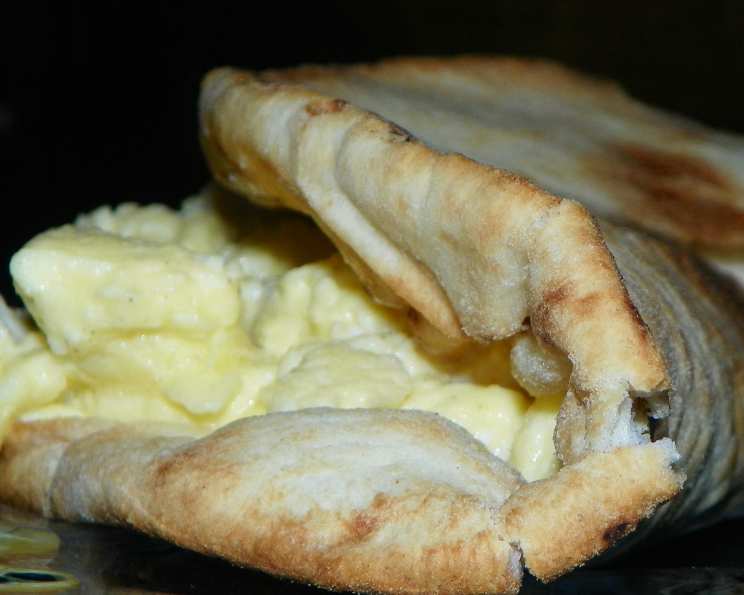
Mastering French Scrambled Eggs: A Culinary Journey with Julia Child’s Legacy
The first time I tasted truly exceptional scrambled eggs, it wasn’t at some fancy brunch spot, but in a tiny Parisian bistro tucked away on a quiet side street. The waiter, with a knowing smile, placed a small white plate before me, the eggs glistening like pale gold. One bite, and I was transported. They were impossibly creamy, almost custardy, and yet possessed a delicate, subtle richness. It was an epiphany, a moment that cemented my understanding that even the simplest dishes, when executed perfectly, can be transformative. Later, I discovered the secret: Julia Child’s French Scrambled Eggs. This recipe isn’t just breakfast; it’s a masterclass in technique.
Recipe Overview
- Prep Time: 5 minutes
- Cook Time: 5-7 minutes
- Total Time: 12 minutes
- Servings: 4-5
- Yield: variable, depending on desired consistency
- Dietary Type: Not Dairy-Free, Not Gluten-Free
Ingredients
- 8 eggs (or 7 eggs and 2 egg yolks)
- Salt
- Pepper
- 2 tablespoons softened butter
- 4 teaspoons water or 4 teaspoons milk
- 1 1/2 – 2 tablespoons whipping cream or 1 1/2-2 tablespoons softened butter
- Parsley sprig, for garnish
Equipment Needed
- Mixing bowl
- Whisk
- Heavy-bottomed saucepan (non-stick is preferable but not essential)
Instructions
-
In a mixing bowl, combine the eggs (or eggs and yolks), salt, pepper, and water (or milk). Beat vigorously with a whisk for 20-30 seconds, ensuring everything is well combined and slightly frothy. This step is crucial for creating a light and airy texture.
-
Smear the bottom and sides of your saucepan generously with the 2 tablespoons of softened butter. This prevents the eggs from sticking and adds a lovely richness to the final product. Using a pan with a heavy bottom helps distribute the heat evenly.
-
Pour the egg mixture into the buttered saucepan.
-
Cook over moderately low heat, stirring slowly and continuously with a spatula or wooden spoon. Be sure to reach all over the bottom and sides of the pan to prevent the eggs from sticking and to ensure even cooking.
-
Nothing will seem to happen for the first 2-3 minutes. Don’t be tempted to increase the heat! Patience is key. Suddenly, the eggs will begin to thicken into a custard-like consistency.
-
Once the eggs start thickening, stir rapidly, moving the pan on and off the heat to control the cooking process. This prevents the eggs from becoming dry and rubbery. The goal is to achieve a creamy, almost liquid consistency.
-
Remove the pan from the heat immediately – the eggs will continue to cook slightly from the residual heat. Remember, it’s better to slightly undercook the eggs at this stage than to overcook them.
-
As soon as the eggs have reached your desired consistency (ideally, still slightly moist), add the enrichment – either the 1 1/2 to 2 tablespoons of whipping cream or softened butter. This step stops the cooking process and adds a final layer of richness and flavor.
-
Season to taste with additional salt and pepper, if needed.
-
Arrange the scrambled eggs on plates and garnish with a parsley sprig for a touch of freshness and visual appeal. Serve immediately.
Variations:
- Aux Fines Herbes: Beat a tablespoon of minced fresh herbs such as parsley, chervil, chives, and tarragon into the eggs at the beginning. Sprinkle on more herbs just before serving.
- Au Fromage: Stir 4-6 tablespoons of grated Swiss cheese into the eggs along with the enrichment butter at the end.
- Aux Truffes: Stir 1 or 2 diced truffles into eggs before scrambling. Sprinkle a bit of chopped truffle over eggs before serving.
- Garnishings: Ham, bacon, sausages, broiled or sautéed mushrooms, kidneys, chicken livers, sautéed eggplant or zucchini, broiled tomatoes, piperade, diced sautéed potatoes, buttered peas, asparagus tips, artichoke hearts.
Expert Tips & Tricks
- Low and Slow is Key: Cooking the eggs over moderately low heat is essential for achieving a creamy texture. High heat will result in dry, rubbery eggs.
- Constant Stirring: Don’t be tempted to leave the eggs unattended. Continuous stirring is crucial for even cooking and preventing sticking.
- Control the Heat: Moving the pan on and off the heat allows you to control the cooking process and prevent overcooking.
- Don’t Overcook: The eggs should be slightly undercooked when you remove them from the heat, as they will continue to cook from the residual heat.
- Quality Ingredients Matter: Use fresh, high-quality eggs and butter for the best flavor and texture.
- Warming your plates: This isn’t essential but does help to keep the eggs warm, especially if serving a larger group.
Serving & Storage Suggestions
Serve the French Scrambled Eggs immediately for the best texture and flavor. Garnish with fresh parsley or your favorite herbs.
Leftovers can be stored in an airtight container in the refrigerator for up to 24 hours. However, the texture will change upon reheating, becoming less creamy. To reheat, gently warm the eggs in a saucepan over low heat, stirring constantly, or microwave in short intervals. Adding a splash of milk or cream during reheating can help restore some of the lost moisture. Freezing is not recommended as it significantly alters the texture.
Nutritional Information
| Nutrient | Amount per Serving | % Daily Value |
|---|---|---|
| Calories | 213.3 kcal | N/A |
| Total Fat | 17.4 g | 26% |
| Saturated Fat | 8.1 g | 40% |
| Cholesterol | 395 mg | 131% |
| Sodium | 195 mg | 8% |
| Total Carbohydrate | 0.9 g | 0% |
| Dietary Fiber | 0 g | 0% |
| Sugars | 0.4 g | 1% |
| Protein | 12.7 g | 25% |
Note: Nutritional information is an estimate and may vary based on specific ingredients and portion sizes.
Variations & Substitutions
- Dairy-Free: While traditional French Scrambled Eggs rely on dairy, you can experiment with plant-based alternatives. Substitute the cream with unsweetened almond or cashew cream, though the texture will be slightly different.
- Spice it Up: Add a pinch of red pepper flakes or a dash of hot sauce to the egg mixture for a spicy kick.
- Seasonal Vegetables: Incorporate seasonal vegetables like sautéed spinach, roasted asparagus, or diced tomatoes for added flavor and nutrition.
- Smoked Salmon: Fold in small pieces of smoked salmon at the end for a luxurious and flavorful twist.
- Breakfast Burrito: Use the scrambled eggs as a filling for breakfast burritos, along with black beans, salsa, and avocado.
FAQs (Frequently Asked Questions)
Q: Can I use milk instead of cream?
A: While cream provides a richer texture, milk can be used as a substitute. However, the eggs may not be as creamy.
Q: What if my eggs start to stick to the pan?
A: Ensure you have adequately buttered the pan and are cooking over moderately low heat. If sticking persists, reduce the heat further and continue stirring.
Q: How do I know when the eggs are done?
A: The eggs should be thickened but still slightly moist and creamy. They will continue to cook from the residual heat after you remove them from the pan.
Q: Can I make this recipe ahead of time?
A: Scrambled eggs are best served immediately. While leftovers can be stored, the texture will change upon reheating.
Q: What’s the best pan to use for scrambled eggs?
A: A heavy-bottomed saucepan is ideal for even heat distribution. Non-stick pans are preferable but not essential if you use enough butter.
Final Thoughts
French Scrambled Eggs, inspired by Julia Child’s classic technique, is more than just a breakfast dish; it’s an exercise in precision and patience. By following these simple steps and paying attention to detail, you can elevate this humble ingredient into a culinary masterpiece. Don’t be afraid to experiment with variations and garnishes to create your own signature version. Share your creations and feedback, and let’s celebrate the joy of simple, perfectly executed food together. Consider pairing these eggs with toasted baguette slices and a vibrant mimosa for a truly memorable brunch.