
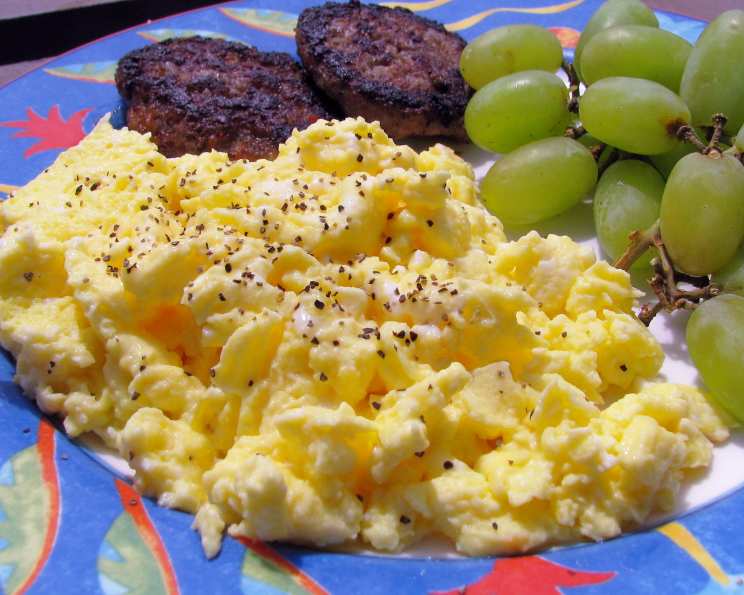
The Silkiest Scramble: Mastering French Scrambled Eggs
My grandmother, a woman who knew the language of butter and practiced it fluently, taught me that some dishes aren’t just recipes, but experiences. I remember standing beside her in her sun-drenched kitchen, the air thick with the aroma of melting butter, watching her coax the simplest of ingredients – eggs, salt, pepper, cream – into a dish of unparalleled elegance: French scrambled eggs. The way they shimmered, soft and yielding, was unlike any scrambled eggs I’d ever encountered. It was less a breakfast item and more a delicate dance of heat and technique, a memory I cherish and a skill I strive to perfect.
Recipe Overview
- Prep Time: 5 minutes
- Cook Time: 5 minutes
- Total Time: 10 minutes
- Servings: 2
- Dietary Type: Gluten-Free
Ingredients
- 12 large eggs
- ¼ teaspoon salt
- ⅛ teaspoon pepper
- 2 tablespoons butter
- 2 tablespoons whipping cream
Equipment Needed
- Large skillet (non-stick recommended)
- Fork
Instructions
- In a medium bowl, combine the 12 eggs, ¼ teaspoon of salt, and ⅛ teaspoon of pepper. Stir briskly with a fork until the mixture is well blended, ensuring the yolks and whites are fully incorporated. Avoid over-whisking, as this can introduce too much air and result in a less creamy texture.
- Place the large skillet over medium-low heat. Add the 2 tablespoons of butter and allow it to melt completely. Rotate the skillet to coat the entire bottom evenly with the melted butter. This is crucial for preventing the eggs from sticking and ensuring even cooking.
- Pour the egg mixture into the skillet.
- Cook over medium-low heat, stirring constantly with a fork or spatula. The key to French scrambled eggs is low and slow cooking with continuous agitation. As the eggs begin to set, gently push the cooked egg from the edges towards the center, allowing the uncooked egg to flow underneath. This creates small, delicate curds.
- Continue stirring until the eggs are firm but still moist. They should appear glossy and slightly runny. The cooking process should take only a few minutes; do not overcook the eggs or they will become dry and rubbery. The eggs should look almost underdone but trust the residual heat to finish them.
- Remove the skillet from the heat. Immediately stir in the 2 tablespoons of whipping cream. This stops the cooking process and adds richness and a luxurious texture to the eggs.
- Serve immediately. French scrambled eggs are best enjoyed hot, when they are at their silkiest and most flavorful.
Expert Tips & Tricks
- Low and Slow is Key: The most common mistake is cooking the eggs over too high heat. This will result in dry, overcooked eggs. Medium-low heat is essential for achieving the signature creamy texture of French scrambled eggs.
- Constant Agitation: Don’t stop stirring! Constant stirring ensures even cooking and prevents the eggs from sticking to the skillet.
- Quality Ingredients: Use the freshest eggs possible for the best flavor and texture. High-quality butter and cream also contribute to the overall richness of the dish.
- Timing is Everything: Be careful not to overcook the eggs. They should be slightly underdone when you remove them from the heat, as they will continue to cook from the residual heat.
- Temperature Control: If you find the eggs are cooking too quickly, remove the skillet from the heat for a few seconds to lower the temperature.
- Enhance the Flavor: Add a pinch of freshly grated nutmeg to the egg mixture for a subtle warmth.
Serving & Storage Suggestions
French scrambled eggs are best served immediately, while they are still warm and creamy. They make a perfect accompaniment to toast, croissants, or smoked salmon. Garnish with fresh chives or a sprinkle of black pepper for added flavor and visual appeal.
Leftovers are not ideal, as the texture of the eggs will change upon refrigeration. However, if you have leftovers, store them in an airtight container in the refrigerator for up to 24 hours. Reheat gently in a skillet over low heat, stirring constantly, until warmed through. Be aware that the texture may be slightly less creamy than when freshly made. It is not recommended to freeze cooked scrambled eggs, as this will significantly alter their texture.
Nutritional Information
| Nutrient | Amount per Serving | % Daily Value |
|---|---|---|
| Calories | 389 kcal | 19% |
| Total Fat | 30.4 g | 47% |
| Saturated Fat | 17.6 g | 88% |
| Cholesterol | 778 mg | 259% |
| Sodium | 549 mg | 23% |
| Total Carbohydrate | 1.8 g | 1% |
| Dietary Fiber | 0 g | 0% |
| Sugars | 0.8 g | 2% |
| Protein | 25.4 g | 51% |
Note: Nutritional information is an estimate and may vary based on specific ingredients and preparation methods.
Variations & Substitutions
- Herb Infusion: Infuse the butter with fresh herbs like thyme or rosemary for added flavor. Simply melt the butter in the skillet and add the herbs, allowing them to steep for a few minutes before adding the egg mixture.
- Cheese Addition: Stir in a tablespoon of grated Parmesan or Gruyère cheese along with the cream for a richer, more decadent flavor.
- Spice It Up: Add a pinch of red pepper flakes to the egg mixture for a touch of heat.
- Vegetarian Option: Incorporate sautéed vegetables like mushrooms, spinach, or asparagus into the eggs for a more substantial meal.
- Truffle Indulgence: For a truly luxurious experience, drizzle a few drops of truffle oil over the finished eggs.
FAQs (Frequently Asked Questions)
Q: What makes French scrambled eggs different from regular scrambled eggs?
A: French scrambled eggs are cooked over low heat with constant stirring, resulting in a softer, creamier texture compared to regular scrambled eggs, which are often cooked over higher heat and have larger, firmer curds.
Q: Why is it important to use low heat when making French scrambled eggs?
A: Low heat allows the eggs to cook gently and evenly, preventing them from becoming dry and rubbery. This ensures a silky, smooth texture.
Q: Can I use milk instead of cream?
A: While you can use milk, the texture will not be as rich and creamy. Cream adds a luxuriousness that milk cannot replicate.
Q: How do I know when the eggs are done?
A: The eggs are done when they are firm but still moist, with a slightly runny appearance. Remember that they will continue to cook from the residual heat once removed from the skillet.
Q: Can I make this recipe ahead of time?
A: French scrambled eggs are best enjoyed immediately, as the texture will deteriorate upon refrigeration. It is not recommended to make them ahead of time.
Final Thoughts
Now that you know the secrets to crafting the perfect French scrambled eggs, I encourage you to try this recipe and experience the unparalleled silkiness for yourself. It’s a simple dish, yes, but one that exemplifies the transformative power of technique and quality ingredients. Don’t be afraid to experiment with variations to suit your taste, and most importantly, don’t forget to savor every delicate bite. Pair with a crisp glass of sparkling wine and some freshly baked pastries, and you’ll have yourself a brunch fit for royalty. Bon appétit!