
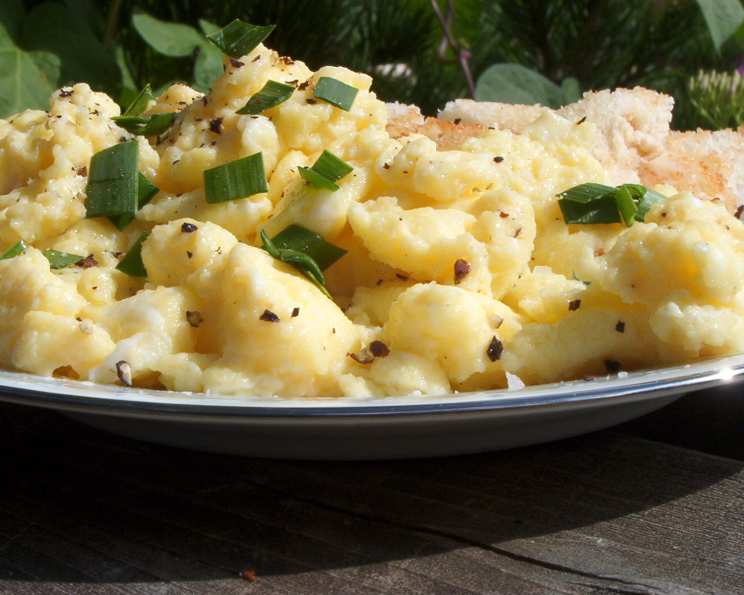
French Scrambled Eggs With Truffle Oil
The memory is etched in my mind: a small Parisian bistro, the gentle clinking of silverware, and the aroma of truffle wafting through the air. I was barely out of culinary school, intimidated and exhilarated by the city’s food scene. Then came these eggs – impossibly creamy, decadent, and comforting all at once. It was a revelation. That morning, French scrambled eggs elevated with truffle oil became synonymous with luxury, a reminder that even the simplest ingredients, when treated with care, can create something truly extraordinary. This recipe is my homage to that experience.
Recipe Overview
- Prep Time: 5 minutes
- Cook Time: 10 minutes
- Total Time: 15 minutes
- Servings: 6
- Dietary Type: Vegetarian
Ingredients
- 12 large eggs
- 1/4 cup mineral water, plus 2 tablespoons mineral water
- 6 tablespoons unsalted butter, cold (cut into small pieces)
- Freshly ground pepper
- Sea salt
- 2 teaspoons white truffle oil
- 1 tablespoon chives, finely chopped
- 6 brioche bread slices, warmed or 12 slices brioche bread, toasted
Equipment Needed
- Large stainless steel bowl
- Heatproof rubber spatula
- Saucepan
- Plates
Instructions
- In a bowl, thoroughly whisk the eggs and 1/4 cup mineral water. The goal is to combine them completely, creating a homogenous mixture that will cook evenly.
- Melt 2 tablespoons of the butter in a large stainless steel bowl set over a pot of simmering water. Ensure the water isn’t touching the bottom of the bowl; you want a gentle, indirect heat source. This method, known as a bain-marie, ensures the eggs cook slowly and gently, preventing them from curdling.
- Add the egg mixture to the bowl. Cook over low heat, gently stirring with a heatproof rubber spatula and scraping the bottom of the bowl. Continue until the eggs just begin to set, about 5 minutes. You’re looking for a slightly thickened consistency, like a very loose custard. The key here is patience and consistent motion.
- Add the remaining butter to the eggs, 1 piece at a time. Continue to cook, stirring and scraping the bottom and sides of the bowl, until the eggs are thick and cooked through but still soft. This process, which should take another 5 minutes or so, incorporates the butter into the eggs, enriching their flavor and creating that signature creamy texture. The finished eggs should be glossy and hold their shape slightly, but still be delicate.
- Season to taste with sea salt and freshly ground pepper. Be mindful of the salt content, as truffle oil can sometimes have a slightly salty edge.
- Transfer the scrambled eggs to plates immediately.
- Drizzle with truffle oil and sprinkle with finely chopped chives.
- Serve at once with warmed or toasted brioche. The brioche’s subtle sweetness and buttery flavor perfectly complement the richness of the eggs and the earthiness of the truffle.
Expert Tips & Tricks
- The Water Bath Is Key: Don’t be tempted to cook the eggs directly over the stovetop. The gentle heat of the bain-marie is crucial for achieving that signature creamy texture.
- Cold Butter Is Your Friend: Adding cold butter, bit by bit, helps to emulsify the eggs, creating a richer, more decadent result.
- Don’t Overcook: The biggest mistake people make with scrambled eggs is overcooking them. Aim for a soft, slightly underdone consistency. They will continue to cook slightly off the heat.
- Truffle Oil sparingly High-quality truffle oil is potent. Use it sparingly to avoid overpowering the delicate egg flavor. A little goes a long way.
- If your eggs are cooking too fast, remove the bowl from the heat and continue stirring until the temperature cools slightly, then return to the heat.
- For extra flavour, infuse your butter ahead of time. Add a few shavings of fresh truffle to your butter the night before and let it infuse in the fridge for an extra layer of flavour!
Serving & Storage Suggestions
Serve these French scrambled eggs immediately for the best texture and flavor. The warmth of the eggs enhances the aroma of the truffle oil, making it a truly sensory experience.
Leftovers are best consumed immediately. However, if you must store them, place them in an airtight container and refrigerate for up to 1 day. Reheating is not recommended, as the texture will likely become rubbery. If you do reheat, do so very gently over low heat with a splash of milk or cream to help restore some moisture.
Nutritional Information
| Nutrient | Amount per Serving | % Daily Value |
|---|---|---|
| Calories | 350 kcal | 18% |
| Total Fat | 28g | 43% |
| Saturated Fat | 16g | 80% |
| Cholesterol | 475mg | 158% |
| Sodium | 200mg | 9% |
| Total Carbohydrate | 6g | 2% |
| Dietary Fiber | 0g | 0% |
| Sugars | 3g | 6% |
| Protein | 18g | 36% |
Nutritional information is an estimate and may vary based on specific ingredients used.
Variations & Substitutions
- Truffle Alternatives: If truffle oil isn’t available or within budget, consider using a drizzle of high-quality olive oil and a pinch of dried porcini mushroom powder for an earthy flavor.
- Cheese Addition: For an extra layer of richness, stir in a tablespoon of grated Parmesan or Gruyère cheese during the last minute of cooking.
- Herb Variations: Instead of chives, try using fresh parsley, tarragon, or even a sprinkle of finely chopped dill.
- Spice It Up: Add a pinch of red pepper flakes for a subtle kick.
- Bread Alternatives: If you don’t have brioche, croissants, toasted sourdough, or even gluten-free bread work well.
FAQs (Frequently Asked Questions)
Q: Why use mineral water in scrambled eggs?
A: Mineral water adds lightness and fluffiness to the eggs by introducing tiny air bubbles. The carbonation helps to create a more delicate texture.
Q: Can I use salted butter instead of unsalted?
A: While you can, it’s best to use unsalted butter so you can control the overall saltiness of the dish. Salted butter varies in salt content, which can lead to an overly salty result.
Q: What if I don’t have a double boiler?
A: You can easily create a makeshift double boiler by placing a heatproof bowl over a saucepan filled with simmering water, ensuring the bowl doesn’t touch the water.
Q: How do I know when the eggs are done?
A: The eggs are done when they are thick and cooked through but still soft and slightly glossy. They should hold their shape gently on a spoon but still have a creamy consistency.
Q: Can I prepare the eggs ahead of time?
A: It’s best to serve these eggs immediately, as they can become rubbery if left to sit. However, you can chop the chives and measure out the other ingredients beforehand to save time.
Final Thoughts
There’s something truly magical about transforming simple eggs into a dish worthy of a Parisian bistro. Don’t be intimidated by the perceived fanciness – this recipe is surprisingly easy to master. Gather your ingredients, embrace the gentle rhythm of stirring, and prepare to be transported. I encourage you to try this French scrambled egg recipe with truffle oil. Share your experiences and tweaks – and perhaps pair it with a crisp glass of sparkling wine for the ultimate indulgent breakfast. Bon appétit!