
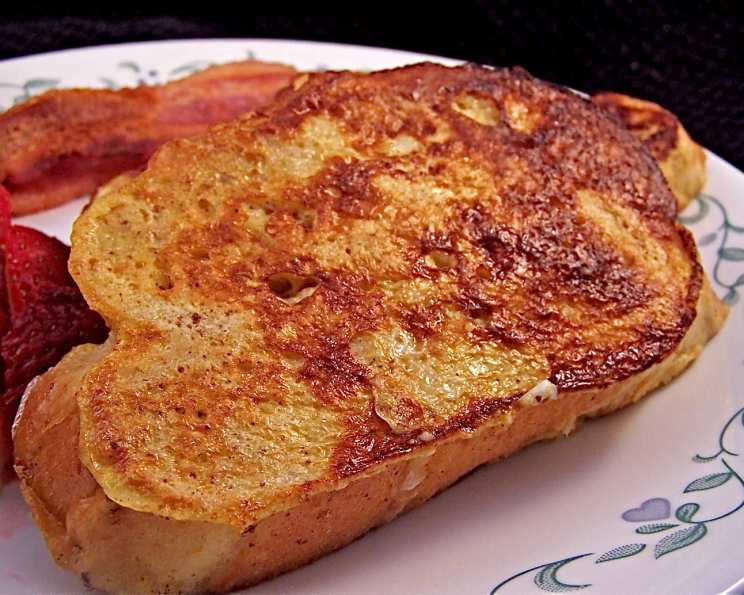
The Quintessential French Toast: A Culinary Embrace
The scent of French toast, warm and cinnamon-kissed, instantly transports me back to childhood. I can almost see my grandmother, a whirlwind of flour and aprons, expertly flipping slices of golden bread on her well-loved griddle. Each bite was a symphony of textures: the slightly crisp exterior yielding to a soft, pillowy interior. It wasn’t just breakfast; it was a symbol of comfort, care, and the simple joys of life—a tradition I’m excited to share with you today.
Recipe Overview
- Prep Time: 5 minutes
- Cook Time: 10 minutes
- Total Time: 15 minutes
- Servings: 2
- Yield: 6 slices
- Dietary Type: Vegetarian
Ingredients
- 6 slices Texas toast thick bread
- 3 eggs
- 1/3 cup milk
- 1/8 cup sugar
- 1/4 teaspoon vanilla
- 1/2 tablespoon cinnamon
Equipment Needed
- Whisk
- Griddle or large skillet
Instructions
- In a mixing bowl, whisk the eggs until they are frothy and slightly pale in color. This incorporates air, which contributes to a lighter, more tender French toast.
- Add the milk, sugar, vanilla, and cinnamon to the bowl with the eggs. Whisk all ingredients together thoroughly until the sugar is dissolved and the mixture is homogenous. Ensure there are no streaks of egg white or cinnamon clumps.
- Place a griddle or large skillet over medium heat. Allow the surface to heat up gradually. You can test the heat by flicking a few drops of water onto the surface; they should sizzle and evaporate quickly.
- One slice at a time, dip both sides of the Texas toast thick bread into the egg mixture. Make sure each side is fully coated, but don’t soak the bread for too long, or it will become soggy and difficult to handle.
- Place the dipped bread slices onto the preheated griddle. Ensure there’s enough space between each slice to allow for even cooking.
- Cook the French toast for a few minutes on each side. Keep a close eye on the color; you’re looking for a golden brown hue.
- Turn after a few minutes. Use a spatula to carefully flip the French toast over to the other side.
- Continue turning until desired doneness is reached. This ensures even browning and prevents burning. Cooking time will vary depending on the thickness of the bread and the heat of your griddle.
Expert Tips & Tricks
- Choose Your Bread Wisely: Texas toast is excellent because of its thickness, but brioche, challah, or even sourdough can also create fantastic French toast. Stale bread works best as it absorbs the custard better without becoming overly soggy.
- Don’t Overcrowd the Griddle: Cooking in batches ensures the griddle temperature doesn’t drop too drastically, which can lead to steaming instead of browning.
- The Custard is Key: For a richer flavor, consider adding a splash of heavy cream or a tablespoon of melted butter to the custard mixture. A pinch of nutmeg can also enhance the warmth of the cinnamon.
- Low and Slow is the Way to Go: Cooking over medium heat allows the French toast to cook through without burning the exterior. Adjust the heat as needed to maintain a consistent golden brown color.
- Keep Warm in the Oven: If you’re making a large batch, keep the cooked French toast warm in a 200°F (93°C) oven on a baking sheet lined with parchment paper. This will prevent it from becoming soggy while you finish cooking the rest.
Serving & Storage Suggestions
French toast is best served immediately while warm. Dust with powdered sugar, drizzle with maple syrup, or top with fresh berries and whipped cream for a classic presentation. Leftover French toast can be stored in an airtight container in the refrigerator for up to 2 days. To reheat, bake in a preheated oven at 350°F (175°C) for about 5-10 minutes, or until warmed through. You can also reheat it in a toaster oven or microwave, but the texture may be slightly different. For longer storage, freeze individual slices wrapped tightly in plastic wrap and placed in a freezer bag. Reheat directly from frozen in the oven or toaster.
Nutritional Information
| Nutrient | Amount per Serving | % Daily Value |
|---|---|---|
| Calories | 427 kcal | 21% |
| Total Fat | 11.6g | 15% |
| Saturated Fat | 3.9g | 20% |
| Cholesterol | 284.7mg | 95% |
| Sodium | 586.7mg | 25% |
| Total Carbohydrate | 62.1g | 21% |
| Dietary Fiber | 3.2g | 13% |
| Sugars | 16.7g | 33% |
| Protein | 17.7g | 35% |
Note: Nutritional information is an estimate and may vary based on specific ingredients and portion sizes.
Variations & Substitutions
- Gluten-Free: Use gluten-free bread for a gluten-free version. Many gluten-free breads are denser, so you may need to soak them in the custard mixture for a bit longer.
- Dairy-Free: Substitute the milk with almond milk, soy milk, or oat milk. For an even richer flavor, use coconut milk.
- Spiced French Toast: Add a pinch of ground cardamom, nutmeg, or allspice to the custard mixture for a warm, aromatic twist.
- Citrus Zest: Grate the zest of an orange or lemon into the custard for a bright, citrusy flavor.
- Savory French Toast: Omit the sugar and vanilla and add herbs like thyme, rosemary, or chives. Serve with a fried egg and a sprinkle of parmesan cheese for a savory breakfast or brunch option.
- Berry Bliss: Puree fresh or frozen berries and swirl them into the custard mixture for a colorful and fruity French toast. Top with extra berries for a beautiful presentation.
FAQs (Frequently Asked Questions)
Q: Can I make the egg mixture ahead of time?
A: Yes, you can prepare the egg mixture up to 24 hours in advance. Store it covered in the refrigerator and whisk it well before using.
Q: My French toast is burning on the outside but still raw on the inside. What am I doing wrong?
A: The heat is likely too high. Reduce the heat to medium-low and cook the French toast for a longer period, turning frequently to ensure even cooking.
Q: How do I prevent my French toast from becoming soggy?
A: Don’t soak the bread in the egg mixture for too long. Just a quick dip on each side is sufficient. Also, ensure your griddle is hot enough to sear the outside of the bread, which will help prevent it from absorbing too much moisture.
Q: Can I use different types of milk for this recipe?
A: Absolutely! Feel free to experiment with different types of milk, such as almond milk, soy milk, oat milk, or even coconut milk. Each will impart a slightly different flavor and texture to the French toast.
Q: Is it necessary to use Texas toast thick bread, or can I use regular bread?
A: While Texas toast thick bread is ideal for its thickness and ability to absorb the custard, you can use regular bread. Just be mindful not to oversoak it, as it may become too soggy.
Final Thoughts
This French toast recipe is more than just a set of instructions; it’s an invitation to create a comforting and memorable experience in your own kitchen. I encourage you to try it, adapt it to your preferences, and share it with those you love. Whether you enjoy it on a lazy weekend morning or as a quick and satisfying weekday breakfast, I hope this recipe brings you as much joy as it has brought me over the years. Don’t hesitate to experiment with different toppings and flavors, and most importantly, have fun! Bon appétit!