
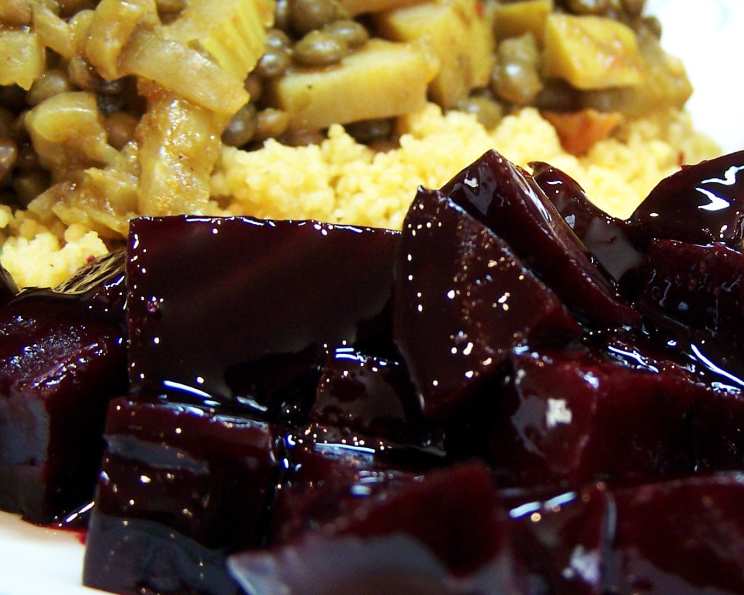
Fresh Baked Harvard Beets: A Culinary Classic Reimagined
The memory still makes me smile – my grandmother, a formidable woman in the kitchen, always had a pot of beets simmering on the stove. The earthy aroma would fill her cozy home, a comforting scent that signaled family, love, and good food. While she usually boiled them, on special occasions, she would bake them, proclaiming it brought out their sweetness. This recipe for Fresh Baked Harvard Beets is my homage to her – a slightly refined version of a beloved classic, perfect for showcasing the natural beauty and flavor of this humble root vegetable.
Recipe Overview
- Prep Time: 15 minutes
- Cook Time: 1 hour
- Total Time: 1 hour 15 minutes
- Servings: 4
- Yield: 3 cups
- Dietary Type: Vegetarian
Ingredients
- 1 ½ lbs medium-sized fresh beets
- ⅓ cup sugar
- 2 teaspoons cornstarch
- ¼ cup cider vinegar
- ¼ cup water
- 1 tablespoon unsalted butter
- Salt, to taste
Equipment Needed
- Baking pan
- Aluminum foil
- Saucepan
- Whisk
- Cutting board
- Knife
Instructions
- Preheat your oven to 400°F (200°C).
- Prepare the beets: Trim all but 1 inch off the stem and root ends of the beets. Do not wash or peel them at this stage.
- Remove any loose dirt from the beets with a paper towel.
- Place the trimmed beets in a baking pan.
- Seal the baking pan tightly with aluminum foil, ensuring there are no gaps to allow steam to escape. This helps the beets cook evenly and retain their moisture.
- Bake in the preheated oven for 1 hour.
- Check for doneness by piercing a beet with a fork. It should be tender and easily pierced. If not, continue baking for another 15-20 minutes, checking periodically.
- Once the beets are cooked, remove the pan from the oven and let them cool slightly until they are cool enough to handle.
- Peel the beets: Once cooled, remove the roots, stems, and skins. The skins should slip off easily with your fingers or a paring knife.
- Dice the beets: Cut the peeled beets into approximately ¼-inch dice. You should have about 3 cups of diced beets. Set aside.
- Prepare the sauce: In a saucepan, whisk together the sugar, cornstarch, cider vinegar, and water.
- Bring the sauce to a boil over medium heat, whisking constantly to prevent lumps from forming.
- Continue whisking until the sauce has thickened, about 30 seconds. The sauce should become glossy and coat the back of a spoon.
- Remove the saucepan from the heat.
- Whisk in the butter until it is fully melted and incorporated into the sauce. This adds richness and shine.
- Add the diced beets to the saucepan with the sauce.
- Gently heat the beets through, stirring occasionally. Be careful not to overcook them, as they are already cooked.
- Season with salt to taste. Adjust the amount of salt to your preference.
- Serve at room temperature. This allows the flavors to meld and develop fully.
Expert Tips & Tricks
- Roasting vs. Baking: While this recipe calls for baking, which is essentially roasting in a covered pan, you can roast the beets uncovered for a more intense flavor. However, be sure to wrap them tightly in foil first, then uncover them for the last 15 minutes of cooking to concentrate their sweetness.
- Preventing Color Bleeding: To minimize color bleeding when dicing the cooked beets, lightly oil your cutting board.
- Acidity Adjustment: If you prefer a tangier flavor, increase the amount of cider vinegar slightly, but taste as you go to avoid making the sauce too acidic.
- Make-Ahead: The beets can be baked and diced a day ahead. Store them in an airtight container in the refrigerator. Prepare the sauce just before serving.
- Thickening Issues: If the sauce doesn’t thicken properly, ensure the cornstarch is fresh and properly mixed with the liquids before heating. A small amount of slurry (cornstarch mixed with cold water) can be added if needed to boost the thickening power.
Serving & Storage Suggestions
Fresh Baked Harvard Beets are delicious served as a side dish alongside roasted chicken, pork, or beef. They also pair well with goat cheese salads or can be enjoyed as a vegetarian main course with a side of quinoa or couscous.
To store leftovers, transfer the beets to an airtight container and refrigerate them promptly. They will keep for up to 3-4 days. Reheat gently in a saucepan over low heat, stirring occasionally, or microwave in short intervals until warmed through. These beets are best enjoyed shortly after being made, but can be reheated. Freezing isn’t recommended as it can alter the texture.
Nutritional Information
| Nutrient | Amount per Serving | % Daily Value |
|---|---|---|
| Calories | 173 kcal | 9% |
| Total Fat | 3.2g | 4% |
| Saturated Fat | 1.9g | 9% |
| Cholesterol | 7.6mg | 2% |
| Sodium | 133.2mg | 5% |
| Total Carbohydrate | 35g | 11% |
| Dietary Fiber | 3.4g | 13% |
| Sugars | 30.2g | – |
| Protein | 2.9g | 5% |
Note: Nutritional information is an estimate and may vary based on specific ingredients and portion sizes.
Variations & Substitutions
- Balsamic Glazed Beets: Substitute balsamic vinegar for the cider vinegar for a richer, more complex flavor. Add a drizzle of balsamic glaze before serving for added sweetness and visual appeal.
- Maple-Glazed Beets: Replace the sugar with maple syrup for a more natural sweetness and a distinct maple flavor.
- Spiced Beets: Add a pinch of ground cinnamon, nutmeg, or cloves to the sauce for a warming, aromatic twist.
- Golden Beets: Use golden beets instead of red beets for a milder flavor and a beautiful golden color.
- Vegan Harvard Beets: Ensure the butter substitute is completely plant-based.
FAQs (Frequently Asked Questions)
Q: Why bake the beets instead of boiling them?
A: Baking the beets concentrates their natural sugars, resulting in a sweeter, more intense flavor compared to boiling, which can dilute the flavor.
Q: Can I use canned beets for this recipe?
A: While you can use canned beets in a pinch, fresh beets are highly recommended for the best flavor and texture. Canned beets tend to be softer and less flavorful.
Q: How can I prevent my hands from getting stained when peeling the beets?
A: Wear kitchen gloves while peeling the beets to prevent staining. You can also rub your hands with lemon juice or vinegar afterward to help remove any stains.
Q: Can I add other vegetables to this dish?
A: Yes, you can add other root vegetables like carrots or parsnips for added flavor and texture. Just make sure to adjust the cooking time accordingly.
Q: Is it necessary to trim the beet stems completely before baking?
A: No, leaving about an inch of the stems attached helps retain moisture during baking. Trimming them too short can cause the beets to dry out.
Final Thoughts
Now it’s your turn to create your own memories with this reimagined classic! Fresh Baked Harvard Beets are not only a delicious and nutritious side dish but also a reminder of the simple joys of cooking from scratch. Don’t be afraid to experiment with the variations and substitutions to create a dish that perfectly suits your taste. Share your culinary creations and experiences with friends and family, and perhaps pair it with a crisp Sauvignon Blanc to elevate the dining experience. Happy cooking!