
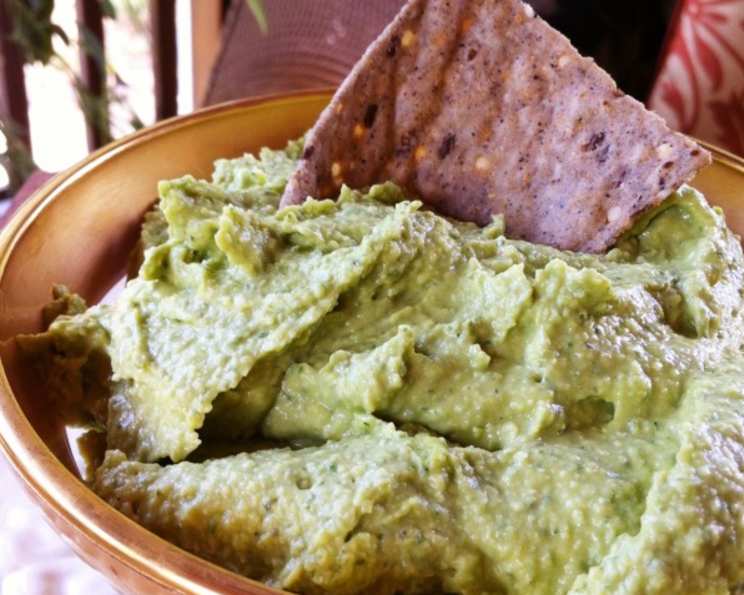
Fresh Basil-White Bean Hummus: An Ode to Summer’s Bounty
The aroma still lingers – a sun-drenched memory of my grandmother’s garden in Tuscany. Every summer, I’d lose myself amongst the rows of vibrant basil, its peppery scent clinging to my fingers. We’d harvest armfuls, the air thick with anticipation of the pesto and bruschetta to come. This basil-white bean hummus is my modern tribute to those sun-soaked days, a creamy, vibrant dip that captures the essence of summer in every bite. It’s more than just a recipe; it’s a taste of nostalgia, a culinary postcard from a cherished past.
Recipe Overview
- Prep Time: 5 minutes
- Cook Time: 0 minutes (Excluding Optional Bean Cooking)
- Total Time: 5 minutes
- Servings: 8
- Dietary Type: Vegan, Gluten-Free
Ingredients
- 1 (14 ounce) can cannellini beans, drained and rinsed
- 1 cup fresh basil, tightly packed
- ¼ cup fresh parsley
- 1 lemon, juice of
- 2 fresh garlic cloves, sliced
- 2 tablespoons olive oil (or more, if desired)
- ⅓ cup tahini
- Salt and pepper to taste
Equipment Needed
- Blender or Food Processor
Instructions
-
Ensure the cannellini beans are thoroughly drained and rinsed. This step is crucial for achieving the desired creamy texture and removes any excess sodium.
-
Combine the drained and rinsed cannellini beans, tightly packed fresh basil, fresh parsley, juice of one lemon, sliced fresh garlic cloves, olive oil, and tahini in a blender or food processor.
-
Puree the ingredients until the mixture is smooth and creamy. You may need to stop and scrape down the sides of the blender or food processor occasionally to ensure all ingredients are fully incorporated.
-
Taste the hummus and adjust the flavors as desired. Add salt and pepper to taste. If the hummus is too thick, add a little more olive oil or lemon juice until you reach your desired consistency. Remember, the beauty of homemade hummus is the ability to tailor it to your personal preference!
Expert Tips & Tricks
- For an even smoother hummus, peel the outer skins off the cannellini beans before blending. This is a bit time-consuming, but the result is a noticeably creamier texture.
- The quality of your tahini greatly impacts the final flavor. Opt for a tahini that is smooth, pourable, and has a slightly nutty aroma. Avoid brands that are overly bitter or have a grainy texture.
- Don’t be afraid to experiment with the amount of garlic. If you prefer a milder flavor, use just one clove. For a more intense garlic kick, add an extra clove or two.
- If you are particularly sensitive to the taste of raw garlic, you can roast the garlic cloves before adding them to the blender. Roasting mellows the garlic and imparts a sweeter, more caramelized flavor. Simply toss the cloves with a little olive oil and roast in a 400°F (200°C) oven for about 20 minutes, or until softened and golden brown.
- For a touch of heat, add a pinch of red pepper flakes or a dash of your favorite hot sauce to the blender.
- If you don’t have fresh parsley on hand, you can substitute it with dried parsley, but use about half the amount (2 tablespoons) as the flavor will be more concentrated.
- For a richer flavor, toast the tahini in a dry skillet over medium heat for a few minutes, stirring constantly, until it lightly browns and becomes fragrant. Be careful not to burn it! Let it cool slightly before adding it to the blender.
Serving & Storage Suggestions
This fresh basil-white bean hummus is incredibly versatile and can be served in a variety of ways.
- Serve it as a dip with pita bread, vegetable sticks (carrots, celery, cucumbers, bell peppers), or crackers.
- Spread it on sandwiches or wraps for a flavorful and healthy alternative to mayonnaise or other spreads.
- Use it as a topping for salads or grain bowls.
- Serve it alongside grilled chicken, fish, or vegetables.
- Garnish with a drizzle of olive oil, a sprinkle of paprika, and a few fresh basil leaves for an elegant presentation.
To store, transfer the hummus to an airtight container and refrigerate. It will keep well for up to 5 days. The olive oil may solidify slightly in the refrigerator, so you may need to stir it before serving. Freezing is not recommended as the texture may change upon thawing.
Nutritional Information
| Nutrient | Amount per Serving | % Daily Value |
|---|---|---|
| Calories | 133.6 kcal | N/A |
| Calories from Fat | N/A | 58% |
| Total Fat | 8.5 g | 13% |
| Saturated Fat | 1.2 g | 6% |
| Cholesterol | 0 mg | 0% |
| Sodium | 155.8 mg | 6% |
| Total Carbohydrate | 11 g | 3% |
| Dietary Fiber | 3.9 g | 15% |
| Sugars | 1.1 g | N/A |
| Protein | 4.7 g | 9% |
Note: Nutritional information is an estimate and may vary based on specific ingredients and portion sizes.
Variations & Substitutions
- Spicy Basil Hummus: Add 1-2 teaspoons of harissa paste or sriracha to the blender for a fiery kick.
- Sun-Dried Tomato Basil Hummus: Add ¼ cup of sun-dried tomatoes (oil-packed, drained) to the blender for a Mediterranean twist.
- Lemon-Herb Hummus: Experiment with different herbs like dill, mint, or cilantro, either alone or in combination with the basil.
- Roasted Red Pepper Hummus: Roast 1-2 red bell peppers until the skin is blackened, then peel, seed, and add to the blender.
- Different Beans: While cannellini beans provide a smooth texture, you can substitute them with other white beans like Great Northern beans or navy beans. Garbanzo beans, the traditional hummus bean, will also work but will result in a slightly different flavor and texture.
FAQs (Frequently Asked Questions):
Q: Can I use dried basil instead of fresh basil?
A: While fresh basil is highly recommended for its vibrant flavor, you can use dried basil in a pinch. Use about 1 tablespoon of dried basil for every 1 cup of fresh basil. Keep in mind that the flavor will be less intense and slightly different.
Q: My hummus is too thick. How can I thin it out?
A: Add a tablespoon or two of olive oil or lemon juice at a time until you reach your desired consistency. You can also add a little water, but be careful not to add too much, as it can dilute the flavor.
Q: Can I make this hummus ahead of time?
A: Yes, this hummus can be made ahead of time and stored in the refrigerator for up to 5 days. The flavors will actually meld together and deepen over time.
Q: Is this hummus suitable for people with nut allergies?
A: This recipe uses tahini, which is made from sesame seeds. Sesame is a common allergen. If you need a nut-free and sesame-free option, you can try substituting the tahini with sunflower seed butter or omit it altogether.
Q: My hummus tastes bitter. What could be the reason?
A: The bitterness is most likely due to the tahini. Some brands of tahini can be quite bitter. Try using a different brand or toasting the tahini before adding it to the blender. Over-processing the hummus can also release bitter compounds from the basil and garlic, so be careful not to blend it for too long.
Final Thoughts
This Fresh Basil-White Bean Hummus is more than just a simple dip; it’s a celebration of fresh, vibrant flavors and a testament to the power of simple ingredients. I urge you to give this recipe a try and experience the taste of summer in every creamy bite. Feel free to experiment with different variations and substitutions to make it your own. And please, share your feedback and creations! I’d love to hear how you enjoy this little taste of Tuscan sunshine. Pair it with a crisp glass of white wine and some crusty bread for the perfect appetizer spread. Buon appetito!