
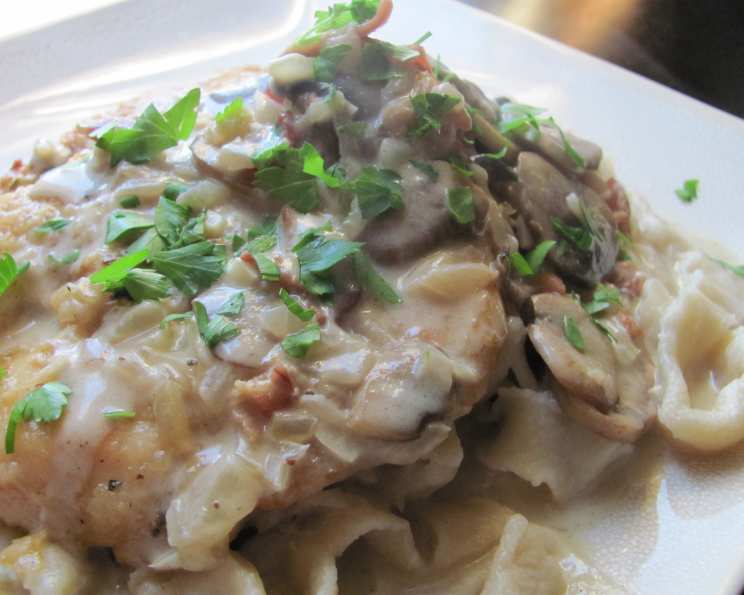
Mastering the Art of Fresh Egg Pasta: A Tribute to Mario Batali
The aroma of freshly made pasta dough, a symphony of flour, eggs, and just a hint of olive oil, always transports me back to my grandmother’s kitchen. I remember being mesmerized as she deftly kneaded the dough, transforming simple ingredients into silky strands that would become the heart of our family feasts. This recipe, inspired by the legendary Mario Batali, captures that same magic, offering a taste of authentic Italian tradition that you can create in your own home.
Recipe Overview
- Prep Time: 30 minutes
- Cook Time: 2-4 minutes (for strand pasta)
- Total Time: 1 hour (including resting time)
- Yields: Approximately 1 pound
- Dietary Type: Not Vegetarian (contains eggs)
Ingredients
- 3 1/2 cups unbleached all-purpose flour
- 1/2 cup unbleached all-purpose flour, for dusting
- 4 extra large eggs
- 1/2 teaspoon olive oil
Equipment Needed
- Large wooden cutting board or countertop
- Fork
- Plastic wrap
- Rolling pin or pasta machine
- Knife or pasta cutter
Instructions
-
Begin by creating a mound of 3 1/2 cups of flour in the center of a large wooden cutting board or clean countertop. This creates a traditional “flour volcano” which is ideal for this pasta.
-
Make a well in the center of the flour mound. This well needs to be large enough to hold all the eggs.
-
Carefully crack the 4 eggs into the well, adding the 1/2 teaspoon of olive oil as well.
-
Using a fork, gently beat the eggs and olive oil together. Start slowly, gradually incorporating flour from the inside walls of the well. This is a crucial step, as adding the flour too quickly can cause the egg mixture to spill.
-
As you expand the well and incorporate more flour, continuously push the outside of the flour mound upwards to maintain its shape and prevent the egg mixture from escaping. Patience is key here; take your time to avoid a sticky mess.
-
Once about half of the flour is incorporated into the egg mixture, the dough will begin to come together. At this point, switch from using the fork to using your hands.
-
Begin working the mass with your hands, primarily using the palms to press and combine the ingredients. Ensure that all the flour is fully incorporated, creating a cohesive mass.
-
Once the flour is fully incorporated and the dough forms a solid mass, remove it from the board. Thoroughly scrape the board clean to remove any remaining bits of dough or flour.
-
Lightly dust the cleaned board with some of the 1/2 cup of flour reserved for dusting.
-
Place the dough on the floured surface and begin to knead for approximately 6 minutes. Add more flour, little by little, as needed to prevent the dough from sticking to the board or your hands.
-
The dough should gradually become elastic and slightly sticky. This indicates that the gluten is developing, which is essential for achieving the desired texture in the final pasta.
-
Once the dough has been kneaded sufficiently, wrap it tightly in plastic wrap.
-
Allow the wrapped dough to rest at room temperature for 30 minutes. This resting period allows the gluten to relax, making the dough easier to roll out and work with.
-
After the dough has rested, it’s time to shape it. You can use either a rolling pin or a pasta machine to roll out the dough to your desired thickness.
-
Once rolled out, cut the dough into your desired shapes. For strand pastas like fettuccini, spaghetti, or linguini, use a knife or pasta cutter to create long, thin strands.
-
Cook the pasta shapes as required. Strand pastas typically only need to cook for 2-4 minutes in boiling, salted water. For other pasta shapes, such as cannelloni, lasagna, or ravioli, refer to the specific recipe instructions for the appropriate cooking time.
Expert Tips & Tricks
- Egg Quality Matters: Use the freshest, highest-quality eggs you can find. The yolks will be vibrant and contribute to a richer flavor and color.
- Temperature is Key: Ensure your eggs are at room temperature for better emulsification with the flour.
- Don’t Overwork the Dough: Over-kneading can lead to tough pasta. Knead until the dough is smooth and elastic, but not overly firm.
- Resting is Essential: The resting period is crucial for relaxing the gluten and preventing the pasta from being too chewy.
- Pasta Machine Mastery: If using a pasta machine, start with the widest setting and gradually decrease the thickness with each pass. This ensures a consistent and even sheet of pasta.
- Prevent Sticking: Dust the rolled-out pasta sheets with flour before cutting to prevent them from sticking together.
- Salt Your Water: Generously salt the boiling water before adding the pasta. This seasons the pasta from the inside out.
- Don’t Overcook: Fresh pasta cooks very quickly. Keep a close eye on it and test for doneness frequently. It should be al dente, meaning “to the tooth,” with a slight resistance when bitten.
- Freeze for Later: You can freeze fresh pasta. Toss the cut pasta with flour, arrange it in nests, and freeze on a baking sheet. Once frozen solid, transfer to a freezer bag. Cook directly from frozen, adding a minute or two to the cooking time.
Serving & Storage Suggestions
Serve your freshly made pasta immediately with your favorite sauce. A simple tomato sauce, a creamy Alfredo, or a pesto Genovese all pair beautifully with fresh egg pasta. Garnish with freshly grated Parmesan cheese and a drizzle of olive oil for an elegant presentation.
Leftover cooked pasta can be stored in an airtight container in the refrigerator for up to 2 days. To reheat, simply add it to boiling water for a minute or two, until heated through.
Uncooked fresh pasta can be stored in an airtight container in the refrigerator for up to 24 hours. Alternatively, you can freeze it for longer storage (see tips above).
Nutritional Information
| Nutrient | Amount per Serving (approx.) | % Daily Value (approx.) |
|---|---|---|
| Calories | 350 kcal | 18% |
| Total Fat | 12g | 18% |
| Saturated Fat | 4g | 20% |
| Cholesterol | 186mg | 62% |
| Sodium | 75mg | 3% |
| Total Carbohydrate | 55g | 20% |
| Dietary Fiber | 2g | 7% |
| Sugars | 1g | – |
| Protein | 13g | 26% |
Note: Nutritional information is an estimate and may vary based on specific ingredients and portion sizes.
Variations & Substitutions
- Gluten-Free Pasta: Substitute the all-purpose flour with a gluten-free blend specifically designed for pasta making. You may need to adjust the amount of liquid to achieve the correct dough consistency.
- Whole Wheat Pasta: Replace half of the all-purpose flour with whole wheat flour for a nuttier flavor and increased fiber content.
- Herb-Infused Pasta: Incorporate finely chopped fresh herbs like basil, parsley, or thyme into the dough for added flavor and visual appeal.
- Spinach Pasta: Blend cooked and squeezed spinach into the egg mixture for a vibrant green pasta.
- Squid Ink Pasta: Add a small amount of squid ink to the egg mixture for a dramatic black pasta with a subtle briny flavor. This pairs exceptionally well with seafood sauces.
- Semolina Pasta: While this recipe calls for all-purpose flour, using semolina flour will produce a coarser, more rustic pasta that holds its shape well when cooked.
FAQs (Frequently Asked Questions)
Q: Why is it important to let the dough rest?
A: Resting allows the gluten in the flour to relax, making the dough easier to roll out and preventing it from becoming tough when cooked.
Q: How do I know when the pasta is cooked?
A: Fresh pasta cooks very quickly, usually in just a few minutes. Test a strand for doneness – it should be al dente, meaning slightly firm to the bite.
Q: Can I make the dough ahead of time?
A: Yes, you can make the dough ahead of time and store it in the refrigerator for up to 24 hours. Be sure to wrap it tightly in plastic wrap to prevent it from drying out.
Q: What if my dough is too sticky?
A: If your dough is too sticky, gradually add a little more flour, one tablespoon at a time, until it reaches the desired consistency.
Q: Can I use a food processor to make the dough?
A: While it’s possible, making pasta dough by hand provides a better feel for the texture and prevents over-processing. However, if you prefer, pulse the ingredients in a food processor until they come together, then knead briefly by hand.
Final Thoughts
Making fresh pasta from scratch might seem daunting at first, but it’s a deeply rewarding culinary experience. This recipe, a tribute to Mario Batali’s passion for Italian cuisine, provides a solid foundation for your pasta-making journey. Don’t be afraid to experiment with different shapes, flavors, and sauces to create your own signature dishes. Gather your loved ones, share a plate of homemade pasta, and savor the simple pleasures of good food and good company. Buon appetito!