
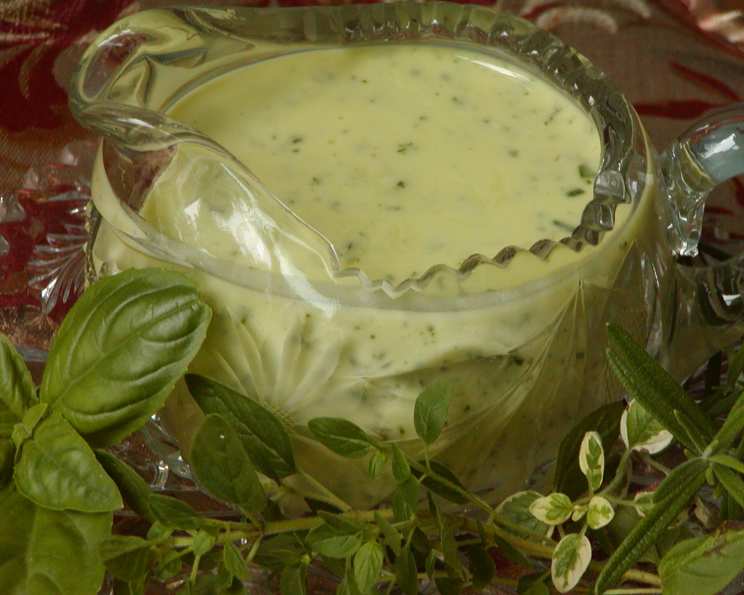
Fresh Herb Butter: A Culinary Symphony in Every Spread
The first time I tasted truly exceptional herb butter was at a tiny bistro in the French countryside. The aroma alone – a heady mix of earthy herbs and creamy richness – stopped me in my tracks. Spread generously on a crusty baguette, it was a revelation. It transformed simple bread into an experience, an edible poem that spoke of sun-drenched gardens and the magic of simple, fresh ingredients. Ever since, I’ve been chasing that flavor, experimenting with different herb combinations to recreate that moment of pure culinary bliss. This recipe is the culmination of that quest, a testament to the power of fresh herbs and the transformative magic of butter.
Recipe Overview
- Prep Time: 10 minutes
- Total Time: 10 minutes
- Servings: 12
- Dietary Type: Vegetarian
Ingredients
- 1 cup margarine or 1 cup olive oil
- 1 tablespoon fresh basil, chopped
- 1 tablespoon fresh marjoram, chopped
- 1 tablespoon fresh rosemary, chopped
- 1 tablespoon fresh chives, chopped
- 1 teaspoon fresh lemon juice
- ½ teaspoon lemon zest
- 1 clove garlic, minced or 1 clove garlic sprouts, chopped (for a light garlic flavor) (optional)
Equipment Needed
- Cutting board
- Knife or kitchen shears
- Measuring cups and spoons
- Food processor (optional)
- Mixing bowl
Instructions
- Begin by washing your herbs thoroughly. It’s crucial to remove any dirt or grit that may be clinging to the leaves. Once washed, dry them extremely well. Excess moisture will compromise the texture and shelf life of your herb butter. Use a salad spinner or gently pat them dry with paper towels.
- Next, snip the herbs finely using a pair of kitchen shears or a sharp knife. The smaller the pieces, the better they will distribute throughout the butter or oil. Aim for a consistent, even chop.
- In a mixing bowl, combine the chopped basil, marjoram, rosemary, and chives. Add the minced garlic (if using), lemon juice, and lemon zest.
- Now, incorporate the margarine or olive oil. If using margarine, ensure it is softened to room temperature for easier mixing. For olive oil, use a high-quality extra virgin variety for the best flavor.
- Food Processor Method (Optional): For a smoother, more uniformly blended butter, you can use a food processor. Pulse the mixture only once or twice. Be very careful not to over-process, as this can cause the mixture to turn green, which isn’t ideal aesthetically.
- Hand Mixing Method: If you prefer a more rustic texture or don’t have a food processor, simply mix the ingredients by hand using a fork or spoon. Ensure everything is thoroughly combined.
- Once mixed, transfer the herb butter to an airtight container. This is best made a day in advance to allow the flavors to meld and deepen. The longer it sits, the more pronounced the herb flavors will become.
- Store the herb butter in the refrigerator. Before using, bring it to room temperature to soften slightly, making it easier to spread.
- This recipe yields approximately 1 cup of herb butter.
- Use the herb butter on thick grilled bread slices, vegetables, and even poultry. It also makes a fantastic addition to pasta dishes or as a flavorful topping for baked potatoes.
- Important Note: Use the leftovers within 5 days of making.
Expert Tips & Tricks
- Herb Combinations: Don’t be afraid to experiment with different herb combinations. Thyme, oregano, parsley, dill, and mint all work beautifully in herb butter. Consider the dishes you plan to use it with and choose herbs that complement those flavors.
- Salt and Pepper: A pinch of sea salt and freshly ground black pepper can enhance the flavor of your herb butter. Add them to taste.
- Citrus Zest: Lemon zest adds a bright, zesty note, but you can also use orange or lime zest for a different flavor profile.
- Garlic Intensity: For a more intense garlic flavor, roast the garlic cloves before mincing. This mellows the sharpness and adds a subtle sweetness.
- Freezing: Herb butter freezes exceptionally well. Roll it into a log, wrap tightly in plastic wrap, and freeze for up to 3 months. Slice off rounds as needed.
- Infused Oil: For an infused herb oil, gently heat the olive oil with the herbs in a saucepan over low heat for about 30 minutes. Let it cool completely, then strain the oil and discard the herbs. This creates a flavorful oil that can be used for drizzling or sautéing.
Serving & Storage Suggestions
Fresh herb butter is incredibly versatile. Serve it alongside grilled meats, roasted vegetables, or crusty bread. It can also be used as a flavorful base for sauces or as a finishing touch to pasta dishes.
- Storage: Store leftover herb butter in an airtight container in the refrigerator for up to 5 days. For longer storage, freeze it as described above.
- Serving: Bring the herb butter to room temperature for about 30 minutes before serving to allow it to soften. Garnish with a sprig of fresh herbs for an elegant presentation.
Nutritional Information
| Nutrient | Amount per Serving | % Daily Value |
|---|---|---|
| Calories | 136.5 kcal | N/A |
| Calories from Fat | N/A | 101% |
| Total Fat | 15.4 g | 23% |
| Saturated Fat | 9.7 g | 48% |
| Cholesterol | 40.7 mg | 13% |
| Sodium | 2.2 mg | 0% |
| Total Carbohydrate | 0.2 g | 0% |
| Dietary Fiber | 0.1 g | 0% |
| Sugars | 0 g | 0% |
| Protein | 0.2 g | 0% |
Note: Nutritional information is an estimate and may vary based on specific ingredients and preparation methods.
Variations & Substitutions
- Vegan Herb Butter: Use vegan margarine or olive oil in place of butter. Ensure all other ingredients are also vegan-friendly.
- Spicy Herb Butter: Add a pinch of red pepper flakes or a finely chopped chili pepper for a touch of heat.
- Mediterranean Herb Butter: Use a combination of oregano, thyme, rosemary, and sun-dried tomatoes for a Mediterranean twist.
- Lemon-Herb Butter: Increase the amount of lemon zest and juice for a bright, citrusy flavor.
- Garlic Herb Butter: Add roasted garlic or garlic powder for an intense garlic flavor.
- Herb & Cheese Butter: Incorporate finely grated Parmesan, Pecorino Romano, or Asiago cheese for a savory, cheesy twist.
FAQs (Frequently Asked Questions)
Q: Can I use dried herbs instead of fresh herbs?
A: While fresh herbs are preferred for their vibrant flavor, you can use dried herbs in a pinch. Use about 1 teaspoon of dried herbs for every tablespoon of fresh herbs.
Q: How long does herb butter last?
A: Herb butter will last for up to 5 days in the refrigerator or up to 3 months in the freezer.
Q: Can I use salted butter instead of unsalted butter?
A: Yes, but be sure to adjust the amount of salt you add to the recipe accordingly.
Q: Can I add other ingredients to herb butter?
A: Absolutely! Get creative and experiment with different flavor combinations. Some popular additions include sun-dried tomatoes, olives, capers, and nuts.
Q: What’s the best way to soften herb butter?
A: The easiest way to soften herb butter is to leave it at room temperature for about 30 minutes. You can also microwave it in short bursts, but be careful not to melt it completely.
Final Thoughts
Fresh herb butter is a simple yet elegant way to elevate everyday meals. With its vibrant flavors and versatility, it’s a staple that every home cook should have in their repertoire. I encourage you to try this recipe and experiment with different herb combinations to create your own signature blend. Don’t be afraid to get creative and have fun! This herb butter is exceptional on grilled steak or chicken, and it’s a delightful addition to a cheese and charcuterie board. Enjoy the journey of creating something delicious and sharing it with those you love. Bon appétit!