
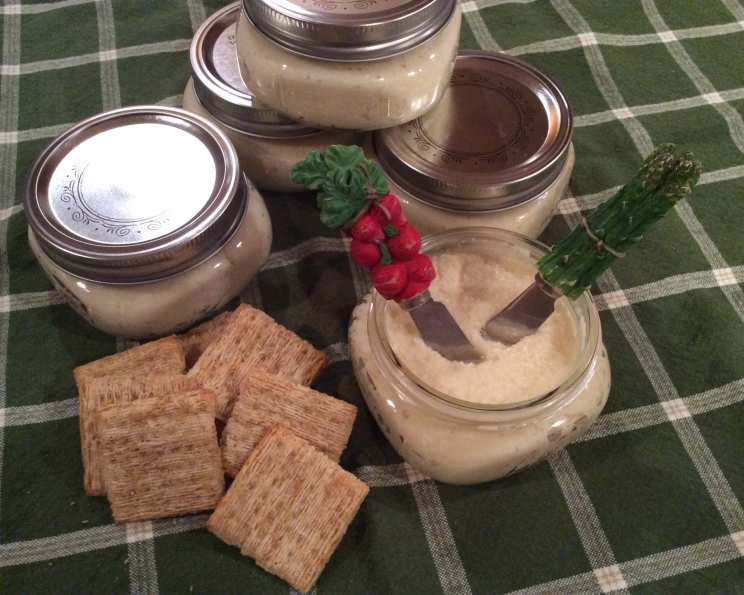
Fresh Horseradish: Hot Stuff
There’s a memory from my childhood kitchen, etched in my mind like a scorch mark on a beloved pan. My grandfather, a man of few words but potent flavors, would disappear into the garden each fall, returning with gnarled roots clutched in his hand. He’d wink, a mischievous glint in his eye, before heading down to the basement where the ancient grinder resided. The smell that followed was unlike anything else – sharp, clean, and intensely pungent, bringing tears to my eyes even from a distance. That was my first introduction to horseradish, a flavor that still evokes a sense of fiery nostalgia and a deep respect for simple, powerful ingredients.
Recipe Overview
- Prep Time: 15 minutes
- Cook Time: 0 minutes (no cooking required)
- Total Time: 15 minutes
- Yields: 1-2 cups
- Serves: 20
- Dietary Type: Vegan, Gluten-Free, Dairy-Free, Paleo, Keto
Ingredients
- 1-2 lb fresh horseradish root (root about 12 inches, good quality root white, clean, firm, and free from cuts and blemishes)
- 3 ice cubes
- 1 teaspoon salt
- ¼ cup white vinegar
Equipment Needed
- Food processor
- Sharp knife or vegetable peeler
- Glass jar with lid
Instructions
- Begin by placing 3 ice cubes in the bowl of a food processor. These help keep the horseradish cool during processing, preserving its pungent flavor and volatile oils.
- Using a sharp knife or vegetable peeler, carefully remove the peel from the horseradish root. Ensure all the skin is removed as it can be tough and bitter.
- Cut the peeled horseradish root into pieces roughly the same size as the ice cubes. This will ensure even processing. Rinse the cut pieces of root under cold water to remove any lingering dirt or debris.
- Place the prepared horseradish root pieces into the food processor, along with the salt.
- Pulse the food processor until the horseradish is finely ground. Avoid running the processor continuously as this can generate heat and diminish the flavor. Add chilled water only if needed, but try to avoid it if possible to maintain a concentrated flavor.
- Let the mixture sit in the food processor for 3-4 minutes. This allows the enzymatic action to occur, releasing the characteristic heat of the horseradish. The longer it sits, the hotter it will become.
- After the desired waiting period, add the white vinegar to the food processor. Pulse to blend the vinegar evenly throughout the horseradish. The vinegar stops the enzymatic action, stabilizing the heat of the horseradish. If you prefer a milder flavor, add the vinegar immediately after processing the root.
- Carefully transfer the ground horseradish to a clean glass jar with a tight-fitting lid. Be cautious as the fumes can be quite potent and irritating to the eyes and nose. Work quickly and in a well-ventilated area.
Expert Tips & Tricks
- Quality is Key: The fresher and whiter the horseradish root, the more pungent and flavorful your final product will be. Look for roots that are firm, free from blemishes, and have a bright, clean appearance.
- Chill Factor: Keeping the horseradish root chilled throughout the process is crucial for preserving its heat. Using ice cubes in the food processor and working quickly will help prevent the loss of those precious volatile oils.
- Heat Control: The longer you let the ground horseradish sit before adding the vinegar, the hotter it will become. Experiment with different resting times to find your preferred level of heat.
- Vinegar Variety: While white vinegar is the traditional choice, you can experiment with other types of vinegar, such as apple cider vinegar or white wine vinegar, to add subtle nuances to the flavor.
- Wear Protection: Consider wearing gloves while handling the horseradish root to prevent skin irritation. The oils can be quite potent!
Serving & Storage Suggestions
Freshly ground horseradish is a versatile condiment that can add a fiery kick to a wide variety of dishes. Serve it alongside roasted meats, grilled fish, or as a zesty addition to sauces and dips. A dollop of horseradish on top of a juicy steak is a classic pairing for a reason. It’s also fantastic mixed into mashed potatoes, deviled eggs, or even a bloody mary.
To store, keep the prepared horseradish tightly sealed in the refrigerator. It will maintain its flavor and potency for several weeks. Over time, it may darken slightly, but this does not affect its quality. Do not freeze, as freezing alters the texture. For best results, use within 1-2 months.
Nutritional Information
| Nutrient | Amount per Serving | % Daily Value |
|---|---|---|
| Calories | 9 kcal | N/A |
| Calories from Fat | 0 kcal | N/A |
| Total Fat | 0.1 g | 0% |
| Saturated Fat | 0 g | 0% |
| Cholesterol | 0 mg | 0% |
| Sodium | 126 mg | 5% |
| Total Carbohydrate | 2 g | 0% |
| Dietary Fiber | 0.7 g | 2% |
| Sugars | 0 g | 0% |
| Protein | 0.5 g | 0% |
Note: Nutritional information is an estimate and may vary depending on specific ingredients and serving sizes.
Variations & Substitutions
- Spicy Sweet: Add a touch of honey or maple syrup to the ground horseradish for a sweet and spicy flavor profile.
- Creamy Horseradish: Mix the prepared horseradish with sour cream, crème fraîche, or Greek yogurt for a creamy and tangy sauce.
- Beet Horseradish (Chrain): Combine the ground horseradish with cooked and grated beets for a traditional Eastern European condiment.
- Horseradish Mustard: Blend the ground horseradish with your favorite mustard (Dijon, whole grain, etc.) for a fiery twist on a classic condiment.
- Vegan Creamy Horseradish: Substitute the sour cream for a plant-based alternative like cashew cream or a thick coconut yogurt.
FAQs (Frequently Asked Questions)
Q: How long will fresh horseradish last in the refrigerator?
A: Properly stored in a sealed container, fresh horseradish will last for several weeks in the refrigerator. The flavor may mellow slightly over time, but it will still be perfectly safe to eat.
Q: Can I use a blender instead of a food processor?
A: While a food processor is ideal for grinding the horseradish, a blender can be used in a pinch. Be sure to use the pulse setting and add a small amount of water to help the blender blades catch the root. Be extra cautious of fumes.
Q: How can I make the horseradish less spicy?
A: Adding the vinegar immediately after processing the root will minimize the heat. You can also mix the prepared horseradish with a creamy base, such as sour cream or cream cheese, to dilute the spiciness.
Q: Can I grow my own horseradish?
A: Yes, horseradish is relatively easy to grow in a home garden. Be aware that it can be invasive, so it’s best to plant it in a container or in a designated area where it won’t spread uncontrollably.
Q: What are some good uses for horseradish other than as a condiment?
A: Horseradish can be added to soups, stews, and sauces for a flavorful kick. It can also be used to create a zesty marinade for meats or vegetables. Some people even use it for its purported medicinal properties.
Final Thoughts
Making your own fresh horseradish is an incredibly rewarding experience. Not only does it taste far superior to the store-bought variety, but it also allows you to customize the flavor to your exact liking. Don’t be intimidated by its fiery reputation – with a few simple steps and a little bit of caution, you can easily create a condiment that will add a burst of flavor to your favorite dishes. So go ahead, embrace the heat, and experience the joy of freshly ground horseradish! I encourage you to experiment with different variations and pairings and share your creations with friends and family. Enjoy!