
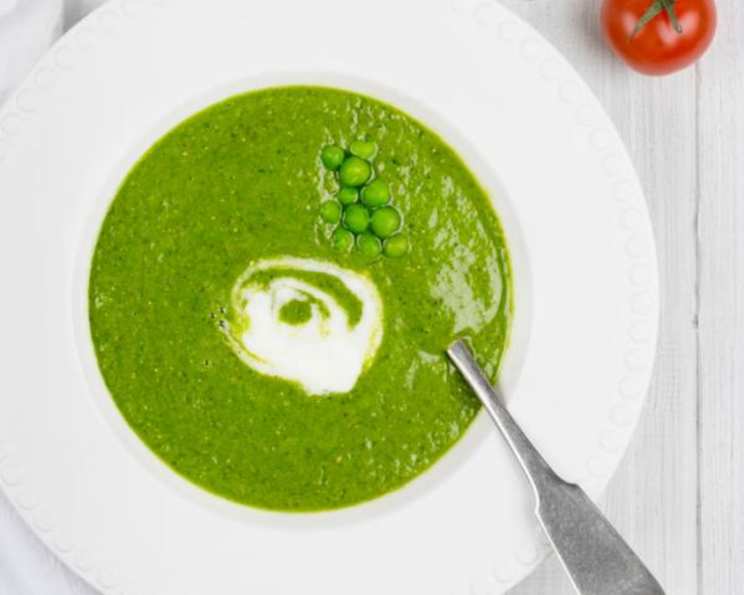
Fresh Pea Soup: A Verdant Delight
The memory is as vivid as the soup itself: a bright spring day, sunlight streaming through the kitchen window, and the delicate sweetness of freshly picked peas filling the air. My grandmother, a woman whose culinary skills were only surpassed by her unwavering love, would always make a big batch of pea soup when the first peas of the season appeared at the farmers market. It wasn’t just a soup; it was a celebration of spring, a taste of sunshine in a bowl, and a reminder of the simple pleasures in life. I’ve carried that love for pea soup with me ever since, and I’m thrilled to share a recipe that captures the essence of those cherished moments.
Recipe Overview
- Prep Time: 15 minutes
- Cook Time: 35-50 minutes
- Total Time: 50-65 minutes
- Servings: 6
- Yield: 5 cups
- Dietary Type: Vegetarian
Ingredients
- 4 tablespoons butter
- 1/3 cup flour
- Salt to taste
- Pepper to taste
- White pepper to taste (optional)
- Nutmeg, grated to taste
- 3 cups milk
- Splash of half-and-half or cream
- 2 cups mineral water (still)
- 1/2 cup very finely chopped onion
- 3 cups frozen peas, thawed or 3 cups fresh young peas
- Chopped chives (for garnish)
- Torn fresh mint (for garnish)
- Unsweetened whipped cream (for garnish)
- Caviar (for garnish, optional)
- Fresh green peas, cooked (for garnish, optional)
Equipment Needed
- 4-6 cup saucepan
- Soup pot or 8-cup saucepan
- Food processor, food mill, meat grinder (with small holes), or immersion blender
- Whisk
Instructions
-
Begin by preparing the Béchamel, the creamy heart of this soup. In a 4-6 cup saucepan, melt the butter over moderately-low heat.
-
Add the flour to the melted butter, stirring constantly with a whisk. Continue to cook this mixture, known as a roux, for 1-2 minutes. This step is crucial for eliminating the raw flour taste and creating a smooth sauce.
-
Season the roux with salt, pepper, and grated nutmeg. If you prefer a more delicate flavor, a pinch of white pepper is a lovely addition.
-
Gradually whisk in the milk and half-and-half (or cream) into the roux, ensuring there are no lumps. Increase the heat to medium and continue to whisk constantly, bringing the mixture to a gentle boil.
-
Once the sauce has thickened slightly, remove it from the heat. To prevent a skin from forming on the surface, coat the top with some non-stick cooking spray. Alternatively, cover the surface directly with plastic wrap or a coffee filter. Set aside while you prepare the pea base.
-
In a soup pot or 8-cup saucepan, combine the mineral water, finely chopped onion, and peas. Season generously with salt and bring the mixture to a boil over medium-high heat.
-
Once boiling, reduce the heat to low and simmer gently for 18-30 minutes, or until the peas are very tender and easily mashed. The exact cooking time will depend on the type and freshness of your peas. Taste the broth to ensure it is well seasoned.
-
Carefully transfer the pea mixture to a food processor, food mill, or meat grinder (using the small holes). Alternatively, you can use an immersion blender directly in the pot. Purée the mixture until it is completely smooth.
-
Return the puréed pea mixture to the pot. Add the prepared Béchamel sauce and stir until the soup is smooth and creamy.
-
Taste the soup and adjust the seasoning as needed. You may want to add a bit more salt, pepper, or nutmeg to enhance the flavors.
-
The soup can be served immediately while hot.
-
Optional Garnish: This soup is a blank canvas for delightful garnishes. Top with chopped chives, torn fresh mint, a dollop of unsweetened whipped cream, a tiny amount of caviar (for a touch of luxury), or a scattering of fresh cooked green peas.
Expert Tips & Tricks
- For the brightest green color, use fresh, young peas whenever possible. If using frozen peas, ensure they are completely thawed before cooking.
- Don’t overcook the peas! Overcooked peas can lose their vibrant color and become mushy.
- For an extra smooth soup, strain the puréed mixture through a fine-mesh sieve before adding the Béchamel sauce.
- If the soup is too thick, add a little more milk or mineral water to reach your desired consistency.
- Make-ahead tip: The pea base (before adding the Béchamel) can be made a day or two in advance and stored in the refrigerator. Add the Béchamel just before serving.
- To intensify the pea flavor, consider adding a few fresh pea pods to the pot while simmering the peas. Remove the pods before puréeing.
- For a richer flavor, use chicken broth instead of mineral water.
Serving & Storage Suggestions
This fresh pea soup can be served hot or cold, making it a versatile dish for any season. Ladle the soup into bowls and garnish as desired. For a more elegant presentation, swirl a bit of cream into the soup just before serving.
Leftover soup can be stored in an airtight container in the refrigerator for up to 3-4 days. Reheat gently on the stovetop or in the microwave until heated through. You can also freeze the soup for up to 2 months. Thaw completely in the refrigerator before reheating. If the soup separates during freezing, simply whisk it vigorously while reheating to restore its creamy texture.
Nutritional Information
| Nutrient | Amount per Serving | % Daily Value |
|---|---|---|
| Calories | 228 kcal | N/A |
| Total Fat | 12.5g | 19% |
| Saturated Fat | 7.7g | 38% |
| Cholesterol | 37.4mg | 12% |
| Sodium | 200.5mg | 8% |
| Total Carbohydrate | 21.3g | 7% |
| Dietary Fiber | 3.4g | 13% |
| Sugars | 3.9g | N/A |
| Protein | 8.4g | 16% |
Variations & Substitutions
- Vegan Pea Soup: Substitute the butter with olive oil or a vegan butter alternative. Use a plant-based milk (such as almond, soy, or oat milk) and vegan cream. Omit the caviar garnish.
- Spicy Pea Soup: Add a pinch of red pepper flakes or a dash of hot sauce to the soup for a touch of heat.
- Mint Pea Soup: Increase the amount of fresh mint for a more pronounced mint flavor.
- Ham and Pea Soup: Add diced ham or bacon to the soup for a heartier meal.
- Spring Vegetable Pea Soup: Incorporate other spring vegetables such as asparagus tips, baby spinach, or watercress.
FAQs (Frequently Asked Questions)
Q: Can I use dried peas instead of fresh or frozen peas?
A: While you can technically use dried peas, the flavor and texture will be significantly different. Dried peas require soaking and a longer cooking time. Fresh or frozen peas are highly recommended for the best results.
Q: How do I prevent the soup from separating?
A: Ensuring the Béchamel is properly emulsified and not overcooking the soup after adding it will help prevent separation. If separation occurs, whisk vigorously while reheating.
Q: Can I add other herbs to the soup?
A: Yes! Thyme, parsley, and dill are all excellent additions to pea soup. Add a small amount of chopped fresh herbs towards the end of cooking.
Q: What if I don’t have a food processor or immersion blender?
A: You can use a regular blender, but be very careful when blending hot liquids. Work in small batches and vent the lid to prevent pressure from building up. A food mill is another great option for achieving a smooth purée.
Q: Can I make this soup without the Béchamel sauce?
A: Yes, for a lighter soup, you can omit the Béchamel sauce and simply purée the peas with the water and onion. You may want to add a touch of cream or milk at the end to enrich the flavor.
Final Thoughts
I truly hope this recipe inspires you to create your own bowl of spring sunshine. Whether you follow the recipe exactly or experiment with different variations, I’m confident you’ll find this fresh pea soup to be a delightful and comforting dish. Don’t hesitate to share your creations and feedback – I’d love to hear how it turns out! Perhaps you could pair it with a crusty baguette and a crisp glass of Sauvignon Blanc for the perfect light lunch. Happy cooking!