
Fresh Spinach Pasta Dough: A Vibrant Culinary Canvas
The first time I made spinach pasta was in a tiny trattoria nestled in the hills outside Florence. The nonna, a woman whose hands held the wisdom of generations, showed me how to coax the vibrant green from the spinach, how the egg yolks deepened the color, and how the gluten gave the dough its glorious stretch. It wasn’t just a recipe; it was a lesson in patience, respect for ingredients, and the magic that happens when simple components become something extraordinary. That day, I felt a connection to the art of pasta making, and I’ve been chasing that perfect shade of green ever since.
Recipe Overview
- Prep Time: 20 minutes
- Cook Time: 5 minutes
- Total Time: 25 minutes + 30 minutes resting
- Servings: 6-8
- Yield: Approximately 1.5 pounds of pasta dough
- Dietary Type: Vegetarian
Ingredients
- 3 cups fresh Baby Spinach, tightly packed
- 3 cups all-purpose flour, plus more for dusting
- Salt
- 1 tablespoon vital wheat gluten
- 5 large egg yolks
- 2 whole eggs
Equipment Needed
- Large glass mixing bowl
- Plastic wrap
- Sharp knife or food processor
- Stand mixer with dough hook attachment
- Clean kitchen towel or plastic wrap
Instructions
-
Begin by preparing the spinach. Place the fresh Baby Spinach into a large glass mixing bowl. Season with a tiny pinch of salt. This will help draw out some of the moisture during cooking. Cover the bowl tightly with plastic wrap to trap the steam.
-
Microwave the spinach. Place the covered bowl in the microwave and cook on high for four or five minutes, or until the spinach is thoroughly wilted and well collapsed. The exact cooking time will depend on the power of your microwave, so keep an eye on it.
-
Process the spinach. Remove the bowl from the microwave, being careful of the hot steam. Transfer the cooked spinach to a cutting board and chop it very finely with a sharp knife. Alternatively, for a smoother consistency, place the cooked spinach in a food processor and pulse until finely minced. Do not wring the spinach dry; the moisture is essential for the dough.
-
Combine dry ingredients. In the bowl of a stand mixer, combine the all-purpose flour, a generous pinch of salt, and the vital wheat gluten. Stir the ingredients together using a whisk or a fork to ensure they are evenly distributed.
-
Add wet ingredients and spinach. Add the chopped spinach, egg yolks, and whole eggs to the bowl with the dry ingredients.
-
Mix the dough. Attach the dough hook to the stand mixer. Begin mixing on speed 4 until a dough starts to come together and pulls away from the sides of the bowl. This may take a few minutes, so be patient.
-
Knead the dough. Once the dough has formed, reduce the mixer speed to 2. Allow the dough to be kneaded by the dough hook for 7 or 8 minutes. This kneading process is crucial for developing the gluten and creating a smooth, elastic dough. The dough should be slightly tacky but not sticky. If it’s too sticky, add a tablespoon of flour at a time until it reaches the right consistency.
-
Rest the dough. Remove the dough from the bowl and shape it into a ball. Lightly flour a clean work surface. Place the dough on the floured surface. Cover the dough with a clean kitchen towel or plastic wrap to prevent it from drying out. Allow the dough to rest for 30 minutes at room temperature before using. This resting period allows the gluten to relax, making the dough easier to roll and shape.
-
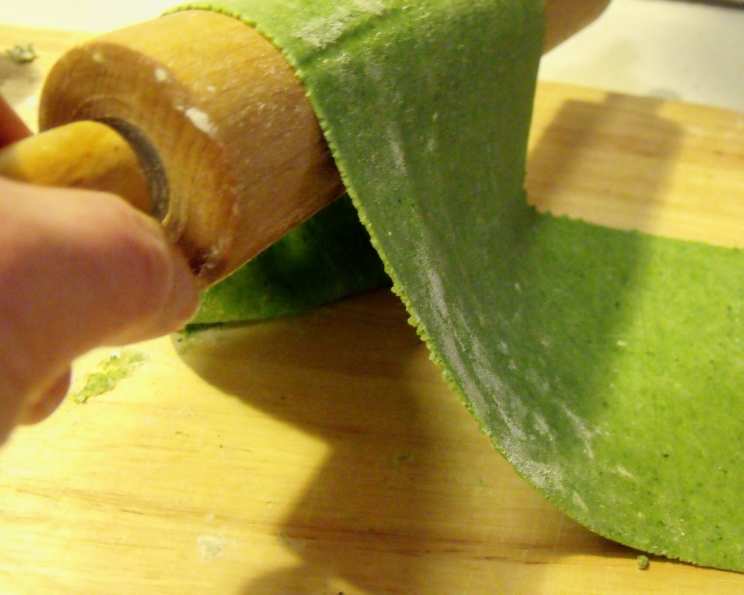
Roll out and shape. After the dough has rested, it’s ready to be rolled out and shaped into your desired pasta form. Use a pasta machine or a rolling pin to achieve the desired thickness. Keep the dough lightly floured to prevent sticking.
Expert Tips & Tricks
- Spinach Prep is Key: Don’t skip the microwaving step! It concentrates the spinach flavor and removes excess moisture. And remember, don’t wring out the spinach – that precious green juice is flavor gold.
- Adjusting Hydration: Humidity plays a role! If your dough is too wet, add flour a tablespoon at a time. If it’s too dry, spritz with a little water.
- The Gluten Boost: Vital wheat gluten is your friend. It gives the pasta that delightful chewiness and prevents it from becoming brittle. Don’t skip it!
- Resting is Essential: The 30-minute rest is crucial for gluten development. This makes the dough easier to work with and results in a more tender pasta.
- Don’t Overwork: Over-kneading can lead to tough pasta. Stop when the dough is smooth and elastic.
Serving & Storage Suggestions
Fresh spinach pasta is best served immediately after cooking. Toss it with your favorite sauce, such as a simple butter and sage sauce, a creamy Alfredo, or a vibrant pesto. For a vegetarian option, try a mushroom ragu or a roasted vegetable medley.
To store leftover pasta dough, wrap it tightly in plastic wrap and refrigerate for up to 2 days. You can also freeze the dough for longer storage, up to 2 months. Thaw the frozen dough in the refrigerator overnight before using.
Cooked pasta can be stored in the refrigerator for up to 3 days. Reheat it in boiling water for a few seconds until warmed through.
Nutritional Information
(Estimates based on a serving size of approximately 1/6 of the total dough.)
| Nutrient | Amount per Serving | % Daily Value |
|---|---|---|
| Calories | 320 kcal | 16% |
| Total Fat | 8g | 10% |
| Saturated Fat | 2g | 10% |
| Cholesterol | 170mg | 57% |
| Sodium | 50mg | 2% |
| Carbohydrate | 50g | 17% |
| Fiber | 3g | 12% |
| Sugar | 1g | 2% |
| Protein | 12g | 24% |
Variations & Substitutions
- Gluten-Free: Substitute the all-purpose flour with a gluten-free all-purpose blend designed for pasta making. You may need to adjust the liquid slightly.
- Vegan: Replace the eggs with aquafaba (chickpea brine). Use about 6 tablespoons of aquafaba in place of the eggs and egg yolks. You may need to adjust the amount of flour to achieve the right consistency.
- Herb Infusions: Add other finely chopped herbs to the dough, such as basil, parsley, or oregano, for extra flavor and visual appeal.
- Semolina: Replace up to half of the all-purpose flour with semolina flour for a slightly coarser texture.
FAQs (Frequently Asked Questions)
Q: Can I use frozen spinach instead of fresh?
A: Yes, but be sure to thaw it completely and squeeze out as much excess water as possible before chopping.
Q: My dough is too sticky. What should I do?
A: Gradually add more flour, one tablespoon at a time, until the dough is smooth and elastic but not sticky.
Q: Can I make this dough without a stand mixer?
A: Yes, you can knead the dough by hand on a lightly floured surface for about 10-12 minutes, or until it is smooth and elastic.
Q: How thin should I roll out the pasta dough?
A: The thickness depends on the type of pasta you are making. For lasagna sheets, roll it out slightly thicker than for spaghetti or fettuccine.
Q: Can I add other vegetables to the dough?
A: Yes, you can experiment with other finely pureed vegetables, such as roasted beets or carrots, to create different colored and flavored pasta. Just remember to adjust the liquid content accordingly.
Final Thoughts
Making fresh pasta might seem daunting, but with this recipe, you’ll be surprised how easy and rewarding it can be. The vibrant green hue and delicate flavor of the spinach elevate this pasta to something truly special. Don’t be afraid to experiment with different sauces and toppings to create your own culinary masterpiece. Share your creations with friends and family, and savor the joy of homemade pasta. Buon appetito!