
Fresh Thai Spring Rolls: A Burst of Flavor in Every Bite
The tiny Laos Thai Grocery in Omaha held a world of culinary secrets. As a young cook, I was intimidated, yet mesmerized by the unfamiliar produce and aromas. That’s where I first encountered these fresh Thai spring rolls. The vibrant colors of the fillings peeked through the translucent rice paper, promising a delicious adventure. One bite, and I was hooked – the cool, crisp vegetables, the savory noodles, and the sweet and spicy dipping sauce created a symphony of flavors and textures that I’ve been chasing ever since.
Recipe Overview
- Prep Time: 20 minutes
- Cook Time: 10 minutes
- Total Time: 30 minutes
- Servings: Varies based on size – Approximately 10-12 depending on filling
- Yield: 10-12 Spring Rolls
- Dietary Type: Can be Gluten-Free and Dairy-Free (Check soy sauce and dipping sauce ingredients)
Ingredients
- Rice paper sheets (these are not the same as wonton/eggroll wrappers, which must be cooked)
- Clear noodles (bean thread noodles, glass noodles, or cellophane noodles)
- Fried garlic (can purchase jarred or fry several chopped cloves of garlic)
- 1 teaspoon sesame oil
- 1 teaspoon thin soy sauce (tamari for gluten-free)
- 1 teaspoon garlic powder
- 1 teaspoon white pepper or 1 teaspoon red pepper (adjust to taste)
- Mung bean sprouts
- Lettuce (any kind, such as romaine, butter lettuce, or green leaf)
- Fresh basil
- Cilantro, chopped
- Cooked sliced chicken breast (optional, can substitute with tofu or shrimp)
- Plum sauce
- Sweet chili sauce, mixed with peanuts (for dipping) – optional: fish sauce for extra depth
Equipment Needed
- Large pan or wok
- Mixing bowl
- Large plate or clean work surface
- Small bowls for holding prepared ingredients
- Tongs or chopsticks
- Shallow dish or bowl for soaking rice paper
Instructions
-
Prepare the Noodles: Soak the clear noodles in hot or boiling water until they are soft and pliable. This usually takes about 5-7 minutes. Test a noodle to ensure it’s cooked through; it should be easy to chew and not overly sticky. Drain the noodles thoroughly.
-
Stir-Fry the Noodles: Place the sesame oil and fried garlic in a large pan or wok over medium heat. Cook for about 30 seconds, until the garlic is fragrant and lightly golden (if using pre-fried garlic, be careful not to burn it). Add the drained noodles to the pan and stir-fry for 2-3 minutes, tossing constantly to prevent sticking.
-
Season the Noodles: Add the thin soy sauce, garlic powder, and pepper (either white or red, depending on your spice preference) to the noodles. Continue to stir-fry for another 1-2 minutes, ensuring that the noodles are evenly coated with the seasoning. Remove the pan from the heat and transfer the noodles to a bowl. Allow them to cool slightly.
-
Assemble the Ingredients: Arrange all the other ingredients – mung bean sprouts, lettuce, fresh basil, chopped cilantro, and cooked sliced chicken breast (or your chosen protein) – in separate bowls or on a large platter. This will make the assembly process much easier and more efficient.
-
Soak the Rice Paper: Fill a shallow dish or bowl with warm water. Take one rice paper sheet and submerge it in the warm water. Allow it to soak for approximately 20-30 seconds, or until it becomes soft and pliable. Be careful not to oversoak the rice paper, as it will become too sticky and difficult to handle. If the water becomes too starchy, change it for fresh warm water.
-
Lay the Rice Paper: Carefully remove the softened rice paper from the water and lay it flat on a plate or clean counter. Make sure your surface is large enough to accommodate the rice paper without it sticking to anything.
-
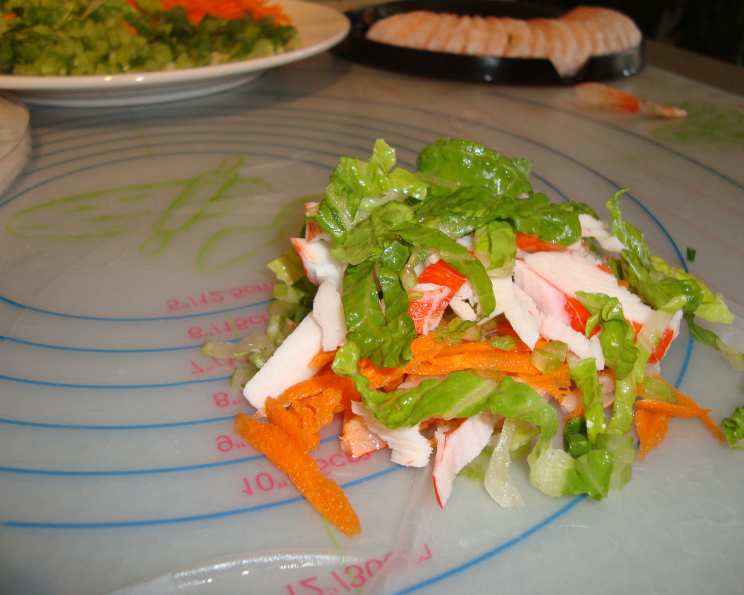
Layer the Fillings: Now comes the fun part – layering the fillings! Start with a layer of lettuce to provide a crisp base. Spread a small amount of plum sauce over the lettuce. Add a few slices of chicken breast (or your chosen protein), followed by a portion of the seasoned noodles, cilantro, basil, and mung bean sprouts. Remember to add the fillings to taste, but don’t overfill the rice paper, or it will be difficult to roll.
-
Roll the Spring Roll: Carefully start to roll up the spring roll, similar to rolling an eggroll. Begin by folding the bottom edge of the rice paper over the fillings. Then, tuck in the sides, pressing gently to secure the filling. Continue to roll up tightly, keeping the filling compact and preventing any air pockets.
-
Serve Immediately: Once rolled, the fresh Thai spring rolls are best served immediately. The rice paper can become sticky and dry out if left to sit for too long. Serve with sweet chili sauce mixed with peanuts (or your favorite dipping sauce) on the side.
Expert Tips & Tricks
- Don’t Overfill: Overfilling the spring rolls is a common mistake. It makes them difficult to roll and can cause the rice paper to tear. Start with small amounts of each ingredient and adjust to your liking.
- Warm Water is Key: The water temperature is crucial for softening the rice paper properly. If the water is too cold, the rice paper won’t soften evenly. If it’s too hot, the rice paper will become too sticky and difficult to handle. Aim for warm water that is comfortable to the touch.
- Prep Ahead: You can prepare all the fillings in advance and store them in separate containers in the refrigerator. This will save you time when you’re ready to assemble the spring rolls. The noodles can be made a day ahead, cooled, and stored in an airtight container.
- Prevent Sticking: To prevent the spring rolls from sticking together, place them on a lightly oiled plate or tray, with space between each roll. You can also wrap each spring roll individually in plastic wrap.
- Add Mint: Try adding fresh mint leaves for an extra burst of freshness.
- Customize Fillings: Feel free to experiment with different fillings based on your preferences. Other great additions include shredded carrots, cucumber, avocado, or different types of herbs.
Serving & Storage Suggestions
Serve fresh Thai spring rolls immediately for the best texture and flavor. They are a perfect appetizer, light lunch, or snack. Arrange them attractively on a platter with the dipping sauce on the side.
Leftover spring rolls are best stored in the refrigerator, wrapped individually in plastic wrap to prevent them from drying out and sticking together. They will keep for up to 24 hours, but the rice paper may become slightly sticky. It’s not recommended to freeze fresh spring rolls, as the texture of the rice paper will change significantly.
Nutritional Information
(Estimated per serving, without dipping sauce. Values may vary based on specific ingredients and quantities used.)
| Nutrient | Amount per Serving | % Daily Value |
|---|---|---|
| Calories | 250 kcal | 13% |
| Total Fat | 8g | 12% |
| Saturated Fat | 2g | 10% |
| Cholesterol | 30mg | 10% |
| Sodium | 300mg | 13% |
| Total Carbohydrate | 30g | 10% |
| Dietary Fiber | 2g | 8% |
| Sugars | 5g | – |
| Protein | 12g | 24% |
Variations & Substitutions
- Vegan Spring Rolls: Substitute the chicken with tofu, tempeh, or extra vegetables like mushrooms or bell peppers.
- Gluten-Free Spring Rolls: Ensure that your soy sauce is gluten-free (use tamari). Also, check the ingredients of your dipping sauce to ensure it doesn’t contain any gluten.
- Shrimp Spring Rolls: Use cooked shrimp instead of chicken for a different protein option.
- Spicy Spring Rolls: Add a pinch of red pepper flakes or a drizzle of sriracha to the noodle mixture for a spicy kick.
- Peanut-Free Dipping Sauce: If you have a peanut allergy, you can omit the peanuts from the sweet chili sauce or substitute it with a different dipping sauce like hoisin sauce or a simple soy sauce and vinegar mixture.
FAQs (Frequently Asked Questions)
Q: Can I make these ahead of time?
A: While best served immediately, you can prep all the ingredients in advance and assemble the spring rolls shortly before serving. Storing them for too long will make the rice paper sticky.
Q: What if my rice paper tears while rolling?
A: This often happens if the rice paper is oversoaked or if you’re using too much filling. Start with a fresh sheet of rice paper and be more careful with the amount of filling and soaking time.
Q: Can I use different types of noodles?
A: Yes, you can experiment with different types of noodles, such as rice vermicelli. However, clear noodles provide a particularly nice texture and don’t become sticky as quickly.
Q: What’s the best way to prevent the spring rolls from sticking together?
A: Lightly oil the plate or tray where you place the spring rolls, and make sure they are not touching each other. You can also wrap each spring roll individually in plastic wrap.
Q: Where can I find rice paper sheets?
A: Rice paper sheets are typically available at Asian grocery stores or in the international aisle of most major supermarkets.
Final Thoughts
These fresh Thai spring rolls are a delightful culinary adventure, offering a burst of fresh flavors and textures that are both satisfying and healthy. Don’t be afraid to experiment with different fillings and dipping sauces to create your own unique variations. I encourage you to gather your ingredients, invite some friends over, and enjoy the process of creating these delicious spring rolls together. Share your creations and feedback – I’d love to hear about your experiences! Pair them with a refreshing Thai iced tea or a crisp white wine for the perfect meal.