
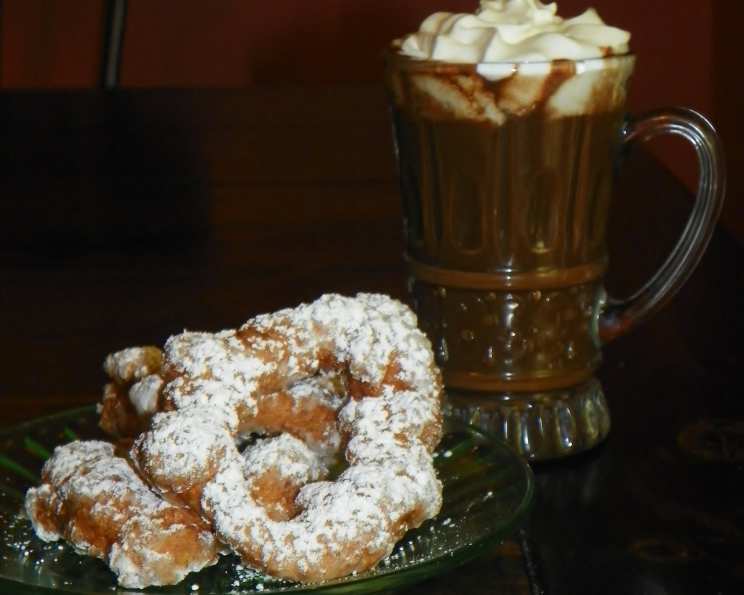
A Taste of Childhood: Crafting Perfect Bolivian Buñuelos
The scent of frying dough, subtly sweet and undeniably comforting, always transports me back to my grandmother’s kitchen. I can almost feel the warmth radiating from the stovetop, the rhythmic sizzle of oil, and the anticipation of biting into a golden, puffy cloud. These aren’t just any fried treats; they’re buñuelos, a taste of Bolivian sunshine and a reminder of family gatherings filled with laughter and love. Each bite is a warm hug, a connection to my heritage, and a testament to the simple joys of homemade goodness.
Recipe Overview
- Prep Time: 30 minutes
- Rise Time: 2 hours
- Cook Time: 20 minutes
- Total Time: 2 hours 50 minutes
- Servings: 8
- Dietary Type: Vegetarian
Ingredients
- 2 cups warm water
- 2 tablespoons sugar
- 2 tablespoons active dry yeast
- 1 teaspoon salt
- 4 eggs
- 4 cups flour, approximately
- 3 cups oil, for deep frying
- 1 cup honey or 1 cup powdered sugar, for topping
Equipment Needed
- Large Mixing Bowl
- Measuring Cups and Spoons
- Skillet or Deep Fryer
- Slotted Spoon or Spider
- Paper Towels
- Strainer (optional)
Instructions
-
In a large bowl, combine 1/4 cup of the warm water and the sugar. Stir until the sugar dissolves completely. The water should be warm to the touch, not hot, to avoid killing the yeast.
-
Add the active dry yeast to the sweetened water. Let it sit undisturbed for about 5 minutes. This allows the yeast to activate and start to bubble, proving that it’s alive and ready to leaven the dough. If the yeast doesn’t bubble, it’s likely old and you’ll need to start with fresh yeast.
-
After 5 minutes, add the remaining warm water, salt, and eggs to the bowl. Stir the mixture well until it is foamy. The eggs should be fully incorporated.
-
Gradually add the flour, a little at a time, while stirring by hand. Continue adding flour until you have a mixture that is more watery than dry – a slightly sticky, elastic dough. You may not need all 4 cups of flour; the exact amount will depend on the humidity and the type of flour you are using. The dough should be soft and pliable.
-
Cover the bowl with a clean cloth or plastic wrap and let the dough rise in a warm place until it has doubled in size. This typically takes about 2 hours. The rising time can vary depending on the temperature of your kitchen. A warmer environment will encourage faster rising.
-
Once the dough has doubled and appears to be on the verge of collapsing slightly in the middle, it’s time to fry the buñuelos. This indicates that the yeast has done its job, and the dough is ready to be transformed into light and airy treats.
-
Heat the oil in a large skillet or deep fryer to about 350°F (175°C). The oil should be about 1/2 inch deep. Use a thermometer to ensure the oil is at the correct temperature. If the oil is not hot enough, the buñuelos will absorb too much oil and become greasy. If it’s too hot, they’ll brown too quickly on the outside and remain doughy inside.
-
Gently loosen the dough from the edges of the bowl and work your way towards the center. Avoid stirring or deflating the dough too much. The goal is to handle it gently to preserve the air pockets created during rising.
-
For each buñuelo, use about 1 tablespoon of dough.
-
Wet your fingertips with warm, lightly salted water. This prevents the dough from sticking to your fingers and helps to create a smooth, even surface on the buñuelos.
-
Pick up a small portion of the dough with your wet fingertips. Carefully stretch the dough to form a thin donut shape. The thinner the dough, the crispier the buñuelo will be.
-
Gently place the stretched dough into the hot oil. Be careful not to overcrowd the skillet, as this will lower the oil temperature and result in soggy buñuelos. Fry in batches of 2-3, depending on the size of your skillet.
-
Fry the buñuelo until it is golden brown on one side, then flip it over with a slotted spoon or chopstick and continue frying until it is spongy and golden brown on both sides. This should take about 2-3 minutes per side.
-
Remove the buñuelo from the oil and place it on a strainer or a wire rack to drain excess oil. Then transfer it to a plate lined with paper towels to absorb any remaining oil.
-
Serve the buñuelos hot, drizzled with honey or dusted with powdered sugar.
Expert Tips & Tricks
- Temperature is Key: Maintaining the correct oil temperature is crucial for achieving perfectly cooked buñuelos. Use a thermometer to monitor the oil and adjust the heat as needed.
- Don’t Overmix the Dough: Overmixing the dough will develop the gluten too much, resulting in tough buñuelos. Mix just until the ingredients are combined.
- Gentle Handling: Handle the dough gently when forming the buñuelos to avoid deflating it.
- Salted Water: Wetting your fingertips with salted water not only prevents sticking but also adds a subtle savory note that complements the sweetness of the topping.
- Resting the Dough (Second Rise): For even lighter and airier buñuelos, let the formed dough rest for another 15-20 minutes before frying.
- Make-Ahead Tip: The dough can be made ahead of time and stored in the refrigerator for up to 24 hours. Let it come to room temperature before frying.
Serving & Storage Suggestions
Serve buñuelos immediately while they are still warm and crispy. They are delicious on their own, but even better when drizzled with warm honey or generously dusted with powdered sugar. For a touch of extra flavor, sprinkle with cinnamon or serve alongside a scoop of vanilla ice cream.
Leftover buñuelos can be stored in an airtight container at room temperature for up to 2 days. However, they are best enjoyed fresh, as they tend to lose their crispness over time.
To reheat, place them in a preheated oven at 350°F (175°C) for a few minutes, or briefly pan-fry them in a small amount of oil until heated through.
Nutritional Information
Note: Nutritional information is an estimate and may vary based on specific ingredients and portion sizes.
| Nutrient | Amount per Serving | % Daily Value |
|---|---|---|
| Calories | 450 kcal | 23% |
| Total Fat | 25g | 38% |
| Saturated Fat | 5g | 25% |
| Cholesterol | 75mg | 25% |
| Sodium | 200mg | 9% |
| Total Carbohydrate | 50g | 17% |
| Dietary Fiber | 2g | 7% |
| Sugars | 20g | – |
| Protein | 8g | 16% |
Variations & Substitutions
- Spiced Buñuelos: Add a pinch of ground cinnamon, nutmeg, or cardamom to the dough for a warm, aromatic flavor.
- Citrus Zest: Incorporate the zest of an orange or lemon into the dough for a bright, citrusy twist.
- Savory Buñuelos: Omit the sugar and add grated cheese and chopped herbs to the dough for a savory appetizer. Serve with a dipping sauce.
- Gluten-Free Buñuelos: Substitute the all-purpose flour with a gluten-free flour blend. You may need to adjust the amount of liquid to achieve the desired consistency.
- Vegan Buñuelos: Replace the eggs with applesauce or mashed banana. Use a plant-based milk substitute like almond milk or soy milk. Opt for maple syrup or agave nectar instead of honey for the topping.
- Regional Variations: In some regions, buñuelos are made with anise seeds or flavored with different spices. Experiment with different flavors to create your own unique twist.
FAQs (Frequently Asked Questions)
Q: Why are my buñuelos greasy?
A: The most common cause of greasy buñuelos is frying them at too low a temperature. The oil should be at 350°F (175°C). Also, avoid overcrowding the skillet, as this will lower the oil temperature.
Q: My dough is too sticky to handle. What should I do?
A: Add a little more flour, a tablespoon at a time, until the dough is easier to manage. Be careful not to add too much flour, as this will make the buñuelos tough.
Q: How can I make sure my buñuelos are light and airy?
A: Ensure the yeast is active and allow the dough to rise fully. Handle the dough gently when forming the buñuelos to avoid deflating it.
Q: Can I bake these instead of frying them?
A: While frying is traditional, you can try baking them. Preheat your oven to 375°F (190°C), brush the buñuelos with oil, and bake for 10-15 minutes, or until golden brown. However, the texture will be different from fried buñuelos.
Q: What can I use instead of honey or powdered sugar for topping?
A: You can drizzle them with maple syrup, chocolate sauce, caramel sauce, or sprinkle them with cinnamon sugar. Get creative and use your favorite toppings!
Final Thoughts
More than just a recipe, this is an invitation to create moments of joy and connection, to share a taste of tradition with those you love. So, gather your ingredients, embrace the process, and let the aroma of frying dough fill your kitchen with warmth and anticipation. Don’t be afraid to experiment with variations and personalize the recipe to your liking. Most importantly, enjoy the process and savor the delicious results. I encourage you to try this recipe, share your feedback, and perhaps even pair these warm buñuelos with a cup of hot chocolate or traditional Bolivian api (a warm corn-based drink) for the ultimate comforting experience.