
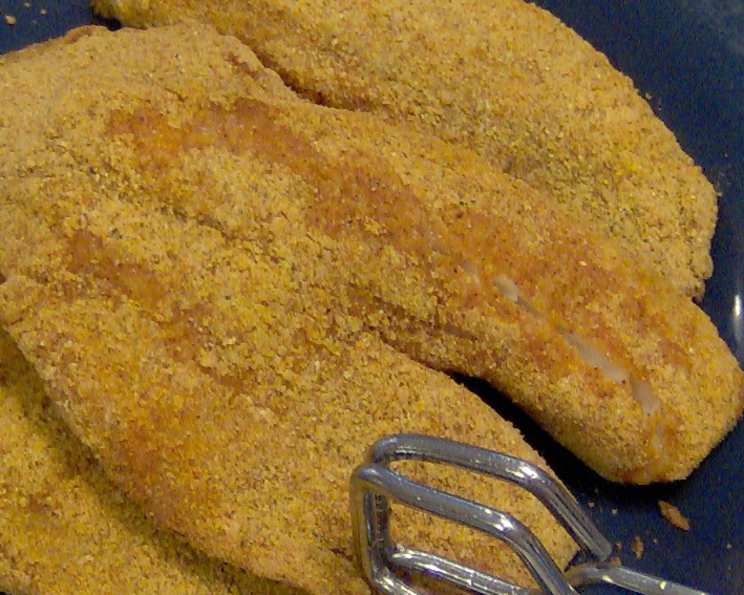
Fried Cornmeal-Crusted Catfish: A Southern Classic
The scent of fried catfish always takes me back to summer evenings at my grandmother’s house in Louisiana. The air thick with humidity and the sounds of cicadas, we’d sit on the porch, the whole family gathered around a table laden with golden-brown fillets, hushpuppies, and coleslaw. Grandma’s secret was always in the cornmeal crust, perfectly seasoned and impossibly crispy. Each bite was a taste of home, of family, and of pure Southern comfort. This recipe, inspired by those cherished memories, brings that same warmth and flavor to your kitchen.
Recipe Overview
- Prep Time: 15 minutes
- Cook Time: 25-30 minutes
- Total Time: 40-45 minutes
- Servings: 10-12 fillets, about 5-6 servings
- Yield: Varies based on fillet size
- Dietary Type: Generally Dairy-Free (check oil), can be Gluten-Free (use gluten-free flour)
Ingredients
- 1 cup yellow cornmeal (stone-ground recommended for extra crispiness)
- 1/3 cup all-purpose flour (or gluten-free flour blend)
- 1 teaspoon cayenne pepper (or red pepper flakes, adjust to taste)
- 1 teaspoon garlic powder
- 3 teaspoons seasoning salt
- 1/2 teaspoon black pepper
- 10-12 catfish fillets (Basa fillets work well, but any firm white fish is suitable)
- Oil (for frying, vegetable, canola, or peanut oil recommended)
Equipment Needed
- Shallow dish or pie plate
- Large cast-iron skillet or Dutch oven
- Tongs or slotted spoon
- Paper towels
- Thermometer (optional, for monitoring oil temperature)
Instructions
-
In a shallow dish, such as a pie plate or baking dish, thoroughly combine the yellow cornmeal, flour, cayenne pepper, garlic powder, seasoning salt, and black pepper. Whisk or stir until evenly distributed. This mixture forms the flavorful crust for your catfish.
-
Take each catfish fillet and gently press it into the cornmeal mixture, ensuring that both sides are completely coated. Press the mixture lightly into the fish to help it adhere. Shake off any excess cornmeal. This step is crucial for achieving that perfect crispy crust.
-
Pour about 2 inches of oil into a large cast-iron skillet or Dutch oven. Heat the oil over medium-high heat until it reaches a temperature of 350 degrees Fahrenheit (175 degrees Celsius). Use a thermometer to monitor the oil temperature. If you don’t have a thermometer, test the oil by dropping a small amount of the cornmeal mixture into the oil; if it sizzles and browns quickly, the oil is ready. Important: Be careful not to overheat the oil, as it can scorch the cornmeal crust.
-
Carefully place the catfish fillets into the hot oil, working in batches to avoid overcrowding the skillet. Overcrowding will lower the oil temperature and result in soggy, less crispy fish.
-
Fry the fillets for approximately 5-6 minutes on each side, turning once, until they are golden brown and cooked through. The internal temperature of the fish should reach 145 degrees Fahrenheit (63 degrees Celsius). The cooking time may vary slightly depending on the thickness of the fillets.
-
Once the catfish fillets are golden brown and cooked through, carefully remove them from the skillet using tongs or a slotted spoon. Place the fried fillets on a plate lined with paper towels to drain off any excess oil. This helps maintain the crispiness of the crust.
-
Repeat steps 4-6 until all of the catfish fillets have been fried. Remember to monitor the oil temperature and adjust the heat as needed to maintain a consistent temperature of 350 degrees Fahrenheit (175 degrees Celsius).
Expert Tips & Tricks
- For an Extra Crispy Crust: Use stone-ground yellow cornmeal. The coarser texture of stone-ground cornmeal provides a superior crunch.
- Spice it Up: Adjust the amount of cayenne pepper to your liking. For a milder flavor, use less cayenne pepper or substitute it with sweet paprika. For a spicier kick, add a pinch of red pepper flakes.
- Don’t Overcrowd the Pan: Frying in batches is essential for maintaining the oil temperature and ensuring that the catfish is crispy and evenly cooked.
- Keep it Warm: If you’re making a large batch, keep the fried catfish warm in a preheated oven (200 degrees Fahrenheit) while you finish frying the remaining fillets. Place the fillets on a wire rack in a baking sheet to prevent them from becoming soggy.
- Seasoning Salt Secret: Experiment with different types of seasoning salt to find your favorite flavor profile. Creole seasoning or Old Bay seasoning can add a unique twist.
- Prevent Soggy Fish: Ensure the oil is hot enough before adding the fish, and avoid overcrowding the pan. Place the cooked fish on a wire rack instead of directly on paper towels for even better drainage.
Serving & Storage Suggestions
Fried cornmeal-crusted catfish is best served hot, immediately after frying. It pairs perfectly with classic Southern sides such as coleslaw, hushpuppies, french fries, macaroni and cheese, and collard greens. Garnish with lemon wedges and tartar sauce or hot sauce for dipping.
Storage: Leftover fried catfish can be stored in an airtight container in the refrigerator for up to 3 days.
Reheating: To reheat, preheat your oven to 350 degrees Fahrenheit (175 degrees Celsius). Place the catfish fillets on a baking sheet lined with parchment paper and bake for 10-15 minutes, or until heated through and crispy. You can also reheat the catfish in an air fryer for a similar result. Avoid microwaving, as it will make the crust soggy.
Nutritional Information
| Nutrient | Amount per Serving | % Daily Value |
|---|---|---|
| Calories | 417 kcal | N/A |
| Total Fat | 16.6g | 25% |
| Saturated Fat | 3.6g | 18% |
| Cholesterol | 145.8mg | 48% |
| Sodium | 267.4mg | 11% |
| Total Carbohydrate | 21.6g | 7% |
| Dietary Fiber | 1.9g | 7% |
| Sugars | 0.2g | 0% |
| Protein | 42.9g | 85% |
Note: Nutritional information is an estimate and may vary based on specific ingredients and portion sizes.
Variations & Substitutions
- Gluten-Free: Substitute the all-purpose flour with a gluten-free flour blend for a gluten-free version.
- Spice Level: Adjust the amount of cayenne pepper or add other spices like smoked paprika or chili powder to customize the flavor.
- Fish Variety: While catfish is traditional, you can use other firm white fish such as cod, tilapia, or bass.
- Cornmeal Type: Experiment with different types of cornmeal, such as white cornmeal or blue cornmeal, for variations in flavor and color.
- Buttermilk Marinade: For extra tender and flavorful catfish, marinate the fillets in buttermilk for 30 minutes before dredging them in the cornmeal mixture.
- Herb Infusion: Add dried herbs like thyme, oregano, or rosemary to the cornmeal mixture for a more complex flavor.
FAQs (Frequently Asked Questions)
Q: Can I use a different type of oil for frying?
A: Yes, you can use any oil with a high smoke point, such as vegetable oil, canola oil, or peanut oil. Avoid using olive oil, as it has a lower smoke point and can burn easily.
Q: How do I know when the catfish is cooked through?
A: The internal temperature of the catfish should reach 145 degrees Fahrenheit (63 degrees Celsius). The fish should also be opaque and flake easily with a fork.
Q: Can I bake the catfish instead of frying it?
A: While frying is traditional, you can bake the catfish for a healthier option. Preheat your oven to 400 degrees Fahrenheit (200 degrees Celsius). Place the dredged fillets on a baking sheet lined with parchment paper and bake for 15-20 minutes, or until cooked through.
Q: How do I prevent the cornmeal crust from falling off during frying?
A: Make sure to thoroughly coat the catfish fillets with the cornmeal mixture and press it lightly into the fish to help it adhere. Also, avoid overcrowding the pan, as this can cause the crust to loosen.
Q: Can I prepare the cornmeal mixture ahead of time?
A: Yes, you can prepare the cornmeal mixture ahead of time and store it in an airtight container at room temperature for up to a week.
Final Thoughts
Fried cornmeal-crusted catfish is more than just a meal; it’s a taste of Southern tradition and comfort. This recipe is a fantastic way to bring a bit of that down-home goodness to your own table. Don’t be afraid to experiment with the spices and seasonings to create your own signature flavor. I encourage you to try this recipe and share your feedback – and be sure to pair it with a tall glass of sweet tea for the full Southern experience!