
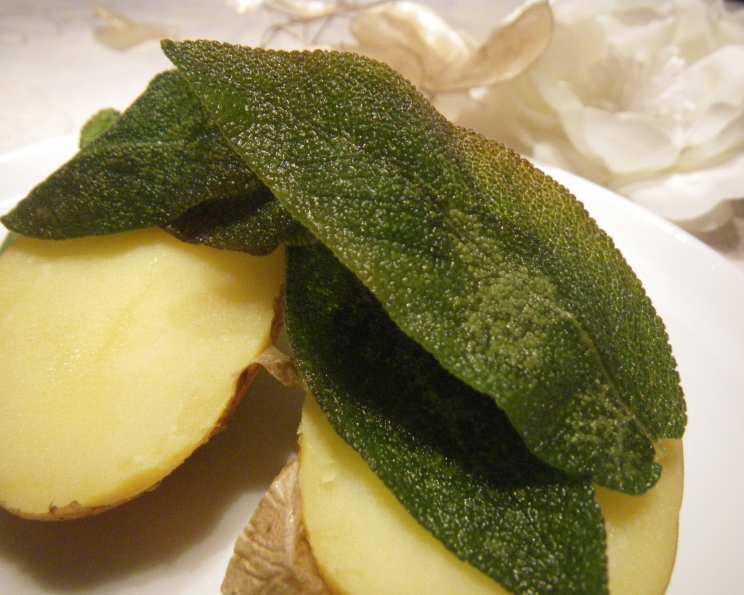
The Crispiest Fried Sage Garnish: A Chef’s Secret
My grandmother, bless her heart, always had a penchant for garnishes. Not just any garnish, mind you, but thoughtfully chosen, edible adornments that elevated her dishes. I remember one Thanksgiving, she presented a simple roasted butternut squash soup, but scattered across the creamy surface were these delicate, crispy leaves that tasted of earth and sunshine. It was fried sage, and that small detail transformed the entire experience. From that moment, I understood the power of a well-placed garnish – a testament to both flavor and presentation.
Recipe Overview
- Prep Time: 5 minutes
- Cook Time: 7 minutes
- Total Time: 12 minutes
- Yields: 1 batch
- Dietary Type: Vegetarian, Gluten-Free, Dairy-Free
Ingredients
- ½ cup extra virgin olive oil, to make ½ inch depth in a medium pan
- 1 bunch fresh sage
- 1 dash salt
Equipment Needed
- Medium saucepan
- Slotted spoon or tongs
- Paper towel-lined plate
Instructions
-
Pour the olive oil into a small saucepan. The oil should be about ½ inch deep. Place the saucepan over medium-high heat.
-
Heat the oil until it’s shimmering and hot. A good test is to carefully sprinkle a tiny drop of water into the oil; it should sizzle immediately. Be cautious, as hot oil can splatter.
-
Once the oil is hot, gently add the sage leaves. Work in batches to avoid overcrowding the pan, which can lower the oil temperature and result in soggy sage.
-
Fry the sage leaves for approximately 15 seconds per side, turning occasionally with a slotted spoon or tongs. Watch them closely! You want them to become crisp and translucent, but not brown. Over-browning will result in a bitter taste.
-
Using the slotted spoon or tongs, carefully transfer the fried sage leaves to a plate lined with paper towels. This will help to absorb any excess oil.
-
While the sage leaves are still warm, sprinkle them lightly with a dash of salt. The salt will adhere better to the warm leaves and enhance their flavor.
-
Allow the fried sage leaves to cool completely on the paper towels. They will become even crispier as they cool.
Expert Tips & Tricks
- Temperature is key: The oil needs to be hot enough to quickly crisp the sage without burning it. Too low, and the sage will absorb the oil and become greasy. Too high, and it will burn. Test with a single leaf first to gauge the temperature.
- Don’t overcrowd the pan: Frying in batches ensures even cooking and prevents the oil temperature from dropping.
- Blot thoroughly: Removing excess oil with paper towels is crucial for achieving that perfect crispness.
- Use fresh, dry sage: Moisture is the enemy of crispness. Make sure your sage leaves are fresh and thoroughly dry before frying. Gently pat them dry with a paper towel if needed.
- Infused Oil Bonus: Once you’ve fried the sage, don’t discard the infused olive oil! Let it cool, then strain it through a fine-mesh sieve. This fragrant oil is fantastic for drizzling over pasta, vegetables, or even grilled meats.
Serving & Storage Suggestions
Fried sage is best served immediately for optimal crispness. It makes a beautiful and flavorful garnish for a wide range of dishes, including:
- Creamy soups (butternut squash, potato leek)
- Risotto
- Pasta dishes (especially brown butter and sage sauce)
- Roasted meats (turkey, chicken, pork)
- Vegetable dishes (roasted Brussels sprouts, sweet potatoes)
- Pizza
To store leftover fried sage, place it in an airtight container at room temperature. It will remain crisp for up to 2 days, although it’s best consumed on the same day it’s made. The leaves may lose some of their crispness over time, but they will still retain their flavor. Do not refrigerate, as this will make them soggy.
Nutritional Information
| Nutrient | Amount per Serving | % Daily Value |
|---|---|---|
| Calories | 955 kcal | 48% |
| Total Fat | 108g | 166% |
| Saturated Fat | 15g | 75% |
| Cholesterol | 0mg | 0% |
| Sodium | 157mg | 7% |
| Total Carbohydrate | 0g | 0% |
| Dietary Fiber | 0g | 0% |
| Sugars | 0g | 0% |
| Protein | 0g | 0% |
Note: Nutritional information is an estimate and may vary based on specific ingredients and portion sizes.
Variations & Substitutions
- Other Herbs: While sage is a classic choice, you can experiment with other herbs such as rosemary, thyme, or parsley. Adjust the frying time accordingly, as different herbs have different moisture levels.
- Garlic Infusion: For an extra layer of flavor, add a clove of crushed garlic to the olive oil while it’s heating. Remove the garlic before frying the sage to prevent it from burning.
- Spicy Kick: Add a pinch of red pepper flakes to the oil for a subtle heat.
- Vegan Parmesan “Dust”: Pulse nutritional yeast, cashews, and a pinch of salt in a food processor until finely ground. Sprinkle this over the fried sage for a cheesy, umami flavor boost.
FAQs (Frequently Asked Questions)
Q: Can I use dried sage instead of fresh sage?
A: No, dried sage will not work for this recipe. Fresh sage leaves are necessary to achieve the desired crispy texture. Dried sage will simply burn.
Q: How do I prevent the sage from browning too quickly?
A: Keep a close eye on the sage while it’s frying and adjust the heat if necessary. Remove the sage from the oil as soon as it turns translucent and starts to crisp. It will continue to cook slightly off the heat.
Q: Can I reuse the olive oil after frying the sage?
A: Yes, you can reuse the olive oil. Let it cool completely, then strain it through a fine-mesh sieve to remove any herb particles. Store the infused oil in an airtight container in the refrigerator for up to a week.
Q: My fried sage is soggy. What did I do wrong?
A: The most common reason for soggy fried sage is that the oil wasn’t hot enough. Ensure the oil is shimmering and sizzles when a drop of water is added. Overcrowding the pan can also lower the oil temperature.
Q: How do I store fried sage to keep it crispy?
A: Store the fried sage in an airtight container at room temperature. Avoid refrigerating it, as this will make it soggy. It’s best consumed on the same day it’s made for optimal crispness.
Final Thoughts
Fried sage is more than just a garnish; it’s a flavor enhancer, a textural contrast, and a touch of culinary elegance that can elevate any dish. It’s a simple technique that yields remarkable results. I urge you to try this recipe and discover the magic of fried sage for yourself. Experiment with different dishes, share your creations with loved ones, and let the crispy, savory goodness speak for itself. Perhaps pair it with a glass of crisp Sauvignon Blanc for a truly delightful experience. Enjoy!