
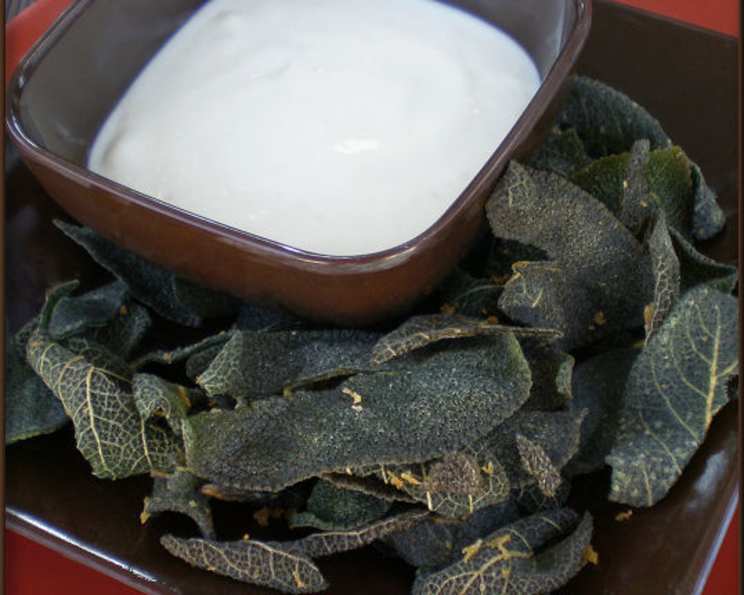
Crispy Fried Sage Leaves with Garlic-Lemon Aioli
I’ll never forget the first time I tasted fried sage leaves. I was at a friend’s autumnal-themed cocktail party, and a server passed around a tray of these delicate, emerald-green crisps. The savory aroma of the sage, intensified by the heat of the oil, immediately captivated me. The way the light bounced off their slightly wrinkled surfaces was beautiful, and the first bite was an explosion of earthy flavor and satisfying crunch. It was unlike anything I’d had before, a simple yet elegant appetizer that elevated the entire event. I knew I had to learn how to make them myself.
Recipe Overview
- Prep Time: 5 minutes
- Cook Time: 1 minute
- Total Time: 6 minutes
- Servings: 2
- Yield: Approximately 30 leaves
- Dietary Type: Vegetarian
Ingredients
- ½ cup vegetable oil
- Flour, for dusting
- 30 sage leaves (or more, depending on desired yield)
- 3 tablespoons mayonnaise
- 3 cloves garlic, minced
- 1 tablespoon extra virgin olive oil, to taste
- 1 tablespoon lemon juice, to taste (mince or press the garlic into the lemon juice first to take the bite off)
- Salt, to taste
Equipment Needed
- Skillet
- Small bowl
- Slotted spoon
- Paper towels
Instructions
-
Pour the vegetable oil into a skillet and heat over medium heat. The oil should be hot enough that a tiny speck of flour sizzles when dropped in, but not smoking.
-
In a small bowl, combine the mayonnaise, olive oil, minced garlic, and lemon juice to create the dipping sauce. Season with salt to taste. It’s best to mince or press the garlic directly into the lemon juice. This helps to mellow out the garlic’s sharp flavor and prevent it from overpowering the aioli. Taste and adjust the seasoning as needed, adding more olive oil or lemon juice for desired consistency and tang.
-
Lightly dust the sage leaves with flour, shaking off any excess. A thin, even coating is key – too much flour will result in a gummy texture. I like to place the flour in a shallow dish and gently toss the sage leaves in it one by one. Be sure to tap off the excess to prevent the oil from becoming overly starchy.
-
Carefully drop the floured sage leaves into the hot oil, being mindful not to overcrowd the skillet. Cook until they are crispy and bright green, about 30 seconds per side. The leaves will cook quickly, so keep a close watch to prevent burning. They should turn a vibrant green and become slightly translucent.
-
Remove the crispy fried sage leaves from the skillet with a slotted spoon and drain on paper towels. This will help to remove any excess oil and ensure a perfectly crispy texture.
-
Serve immediately with the prepared dipping sauce. The fried sage leaves are best enjoyed while still warm and crispy.
Expert Tips & Tricks
-
Oil Temperature is Key: Maintaining the right oil temperature is crucial for achieving perfectly crispy sage leaves. If the oil is not hot enough, the leaves will absorb too much oil and become soggy. If it’s too hot, they will burn quickly.
-
Don’t Overcrowd: Frying the sage leaves in batches will prevent the oil temperature from dropping too much, ensuring even cooking.
-
Flavor Infusion: Consider infusing the vegetable oil with garlic or herbs for an extra layer of flavor. Simply add a few cloves of crushed garlic or a sprig of rosemary to the oil while it’s heating.
-
Make the Aioli Ahead: The garlic-lemon aioli can be prepared in advance and stored in the refrigerator until ready to serve. This allows the flavors to meld together and intensifies the taste.
-
Crispy Crunch Boost: For extra crunch, you can use panko breadcrumbs instead of flour for dusting.
Serving & Storage Suggestions
Serve the crispy fried sage leaves immediately as an appetizer or garnish. They pair beautifully with creamy cheeses like ricotta or goat cheese, roasted vegetables, or grilled meats. The delicate flavor of the sage complements a variety of dishes.
Leftover fried sage leaves are best enjoyed within a few hours of cooking, as they will lose their crispness over time. Store them in an airtight container at room temperature. Reheating is not recommended, as it can further compromise their texture. The garlic-lemon aioli can be stored in an airtight container in the refrigerator for up to 3 days.
Nutritional Information
| Nutrient | Amount per Serving | % Daily Value |
|---|---|---|
| Calories | 550 kcal | 28% |
| Total Fat | 61 g | 94% |
| Saturated Fat | 8 g | 40% |
| Cholesterol | 0 mg | 0% |
| Sodium | 1 mg | 0% |
| Total Carbohydrate | 2 g | 0% |
| Dietary Fiber | 0 g | 0% |
| Sugars | 0 g | 0% |
| Protein | 0 g | 0% |
Variations & Substitutions
-
Vegan Aioli: Substitute the mayonnaise with a vegan mayonnaise alternative for a dairy-free version.
-
Different Herbs: Experiment with other herbs like rosemary, thyme, or basil for a different flavor profile.
-
Spicy Kick: Add a pinch of red pepper flakes to the dipping sauce for a spicy kick.
-
Citrus Variations: Use lime juice instead of lemon juice for a different citrusy flavor.
-
Parmesan Crisp: Sprinkle freshly grated Parmesan cheese over the fried sage leaves immediately after removing them from the oil for a cheesy twist.
FAQs (Frequently Asked Questions)
Q: Can I use dried sage instead of fresh sage?
A: No, fresh sage is essential for this recipe. Dried sage will not fry properly and will not provide the same flavor and texture.
Q: What type of oil is best for frying sage leaves?
A: Vegetable oil, canola oil, or peanut oil are all good choices for frying sage leaves. They have a high smoke point and neutral flavor that will not overpower the taste of the sage.
Q: How do I prevent the sage leaves from sticking together in the oil?
A: Ensure that the sage leaves are well-dusted with flour and that the oil is hot enough. Fry them in small batches to prevent overcrowding, which can lower the oil temperature and cause sticking.
Q: Can I make the aioli without garlic?
A: Yes, if you prefer a milder flavor, you can omit the garlic from the aioli. However, the garlic adds a distinctive flavor that complements the sage leaves.
Q: How do I know when the sage leaves are done frying?
A: The sage leaves are done when they are bright green, crispy, and slightly translucent. They will cook very quickly, so watch them carefully to prevent burning.
Final Thoughts
Crispy fried sage leaves with garlic-lemon aioli are a delightful and unexpected treat that will impress your guests. The combination of earthy sage, crispy texture, and tangy dipping sauce is simply irresistible. Don’t be intimidated by the simplicity of this recipe; the results are truly remarkable. Gather your ingredients, heat up your skillet, and prepare to be amazed by the transformative power of frying fresh sage. I highly recommend giving this recipe a try – you might just discover your new favorite appetizer! Pair these lovely leaves with a crisp glass of Prosecco for a truly delightful experience. Enjoy!