
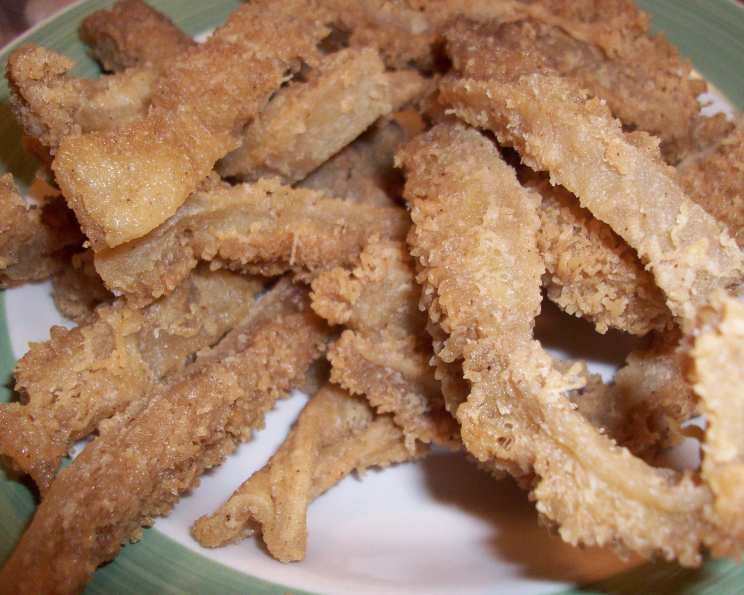
Crispy, Golden Fried Tripe: A Culinary Adventure
The first time I tried fried tripe was at a bustling street food market in Mexico City. The air was thick with the aroma of spices, sizzling meats, and the murmur of a hundred conversations. An older woman, her hands weathered by years of cooking, ladled a generous portion of golden-brown, crispy morsels onto a paper plate. Hesitantly, I took a bite. The initial crunch gave way to a surprisingly tender interior, rich with savory flavor and a subtle hint of spice. It was unlike anything I had ever tasted – a revelation that transformed my perception of offal forever. That experience ignited a passion for exploring unique and often overlooked ingredients, and fried tripe quickly became one of my favorite adventurous indulgences.
Recipe Overview
- Prep Time: 30 minutes
- Cook Time: 40 minutes
- Total Time: 1 hour 10 minutes
- Servings: 4
- Yield: Approximately 4 servings
- Dietary Type: Varies (see variations)
Ingredients
- 2 lbs beef tripe
- 1 cup flour
- Salt to taste
- Black pepper to taste
- Cayenne pepper to taste (optional, for heat)
- Oil for frying (vegetable, canola, or peanut oil work well)
Equipment Needed
- Large pot
- Large bowl
- Knife
- Cutting board
- Deep-fryer or large, heavy-bottomed pot
- Slotted spoon or spider
- Paper towels
Instructions
-
Prepare the Tripe: Begin by thoroughly rinsing the beef tripe under cold running water. This helps remove any lingering impurities.
-
Boil the Tripe: Place the rinsed tripe in a large pot and cover with cold water. Bring the water to a boil over high heat. Once boiling, reduce the heat to a simmer and cook until the tripe is tender. This can take anywhere from 2 to 3 hours, depending on the thickness and type of tripe. Test for doneness by piercing it with a fork; it should be easily pierced with minimal resistance.
-
Cool and Cut: Once the tripe is tender, remove it from the pot and let it cool enough to handle. This is crucial to prevent burns. Once cooled, use a sharp knife to cut the tripe into strips or cubes, depending on your preference. Strips are traditional, but cubes offer more surface area for that coveted crispness.
-
Prepare the Flour Mixture: In a large bowl, combine the flour, salt, black pepper, and cayenne pepper (if using). Mix well to ensure the spices are evenly distributed throughout the flour.
-
Dredge the Tripe: Take the cut tripe pieces and dredge them thoroughly in the flour mixture. Make sure each piece is fully coated for optimal crisping. Gently shake off any excess flour.
-
Heat the Oil: Heat the oil in a deep-fryer or large, heavy-bottomed pot to 350 degrees F (175 degrees C). Use a thermometer to ensure accurate temperature control. If you don’t have a thermometer, test the oil by dropping a small piece of flour into it; if it sizzles and turns golden brown quickly, the oil is ready.
-
Fry the Tripe: Carefully add the dredged tripe to the hot oil in batches, being careful not to overcrowd the pot. Overcrowding will lower the oil temperature and result in soggy tripe. Fry for 3-5 minutes per batch, or until the tripe is golden brown and crispy.
-
Drain and Serve: Use a slotted spoon or spider to remove the fried tripe from the oil and place it on a plate lined with paper towels to drain any excess oil. Serve immediately and enjoy!
Expert Tips & Tricks
- Pre-Boiling is Key: The long boiling process is crucial for tenderizing the tripe. Don’t skip this step or try to rush it. Properly boiled tripe makes all the difference in the final texture.
- Spice it Up: Don’t be afraid to experiment with different spices in the flour mixture. Garlic powder, onion powder, paprika, or even a pinch of cumin can add a unique flavor dimension.
- Double Dredge for Extra Crispness: For an even crispier coating, try double-dredging the tripe. After the initial dredge, dip the tripe in an egg wash (beaten egg with a splash of water or milk) and then dredge it again in the flour mixture.
- Oil Temperature Matters: Maintaining the correct oil temperature is essential for even cooking and preventing the tripe from becoming greasy. Use a thermometer to monitor the temperature and adjust the heat as needed.
Serving & Storage Suggestions
Serve fried tripe immediately while it’s hot and crispy. It’s delicious on its own as a snack or appetizer, or it can be served as part of a larger meal. Consider serving it with a squeeze of lemon juice, a sprinkle of hot sauce, or a side of your favorite dipping sauce (ranch, barbecue, or even a spicy aioli work well).
Leftovers can be stored in an airtight container in the refrigerator for up to 3 days. However, fried tripe is best enjoyed fresh, as it tends to lose its crispness over time. To reheat, spread the tripe in a single layer on a baking sheet and bake in a preheated oven at 350 degrees F (175 degrees C) for about 10-15 minutes, or until heated through. You can also reheat it in an air fryer for a similar result. Avoid microwaving, as this will make it soggy.
Nutritional Information
Please note that nutritional information is an estimate and may vary based on specific ingredients and portion sizes.
| Nutrient | Amount per Serving | % Daily Value |
|---|---|---|
| Calories | 450 kcal | 23% |
| Total Fat | 25g | 38% |
| Saturated Fat | 8g | 40% |
| Cholesterol | 300mg | 100% |
| Sodium | 300mg | 13% |
| Total Carbohydrate | 30g | 10% |
| Dietary Fiber | 2g | 8% |
| Sugars | 1g | 2% |
| Protein | 30g | 60% |
Variations & Substitutions
- Gluten-Free: Substitute the flour with a gluten-free blend of your choice. Rice flour, tapioca starch, and potato starch are all good options.
- Spicy: Increase the amount of cayenne pepper or add other spicy ingredients like chili powder or crushed red pepper flakes to the flour mixture. You can also serve it with a spicy dipping sauce.
- Herbed: Add chopped fresh herbs like parsley, thyme, or rosemary to the flour mixture for a more aromatic flavor.
- Mexican-Inspired: Season the flour mixture with chili powder, cumin, oregano, and garlic powder. Serve with salsa, guacamole, and lime wedges.
- Different Types of Tripe: While this recipe calls for beef tripe, you can also use other types of tripe, such as honeycomb tripe or book tripe. Cooking times may vary slightly, so adjust accordingly.
FAQs (Frequently Asked Questions)
Q: How do I get rid of the strong smell of tripe?
A: Thoroughly rinsing the tripe and boiling it for an extended period helps to neutralize any strong odors. Some cooks also add vinegar or lemon juice to the boiling water.
Q: Can I use a different type of oil for frying?
A: Yes, you can use any high-heat oil with a neutral flavor, such as vegetable oil, canola oil, or peanut oil.
Q: How do I prevent the tripe from becoming soggy?
A: Make sure the oil is hot enough (350 degrees F) and don’t overcrowd the pot. Overcrowding will lower the oil temperature and result in soggy tripe. Also, be sure to drain the fried tripe on paper towels to remove any excess oil.
Q: Can I prepare the tripe ahead of time?
A: Yes, you can boil the tripe ahead of time and store it in the refrigerator for up to 2 days. Just be sure to let it cool completely before storing it. Dredge and fry just before serving for the best crispness.
Q: Is fried tripe healthy?
A: Fried tripe is relatively high in protein but is also high in fat due to the frying process. It should be enjoyed in moderation as part of a balanced diet.
Final Thoughts
Fried tripe is a dish that challenges preconceived notions and rewards the adventurous palate. It’s more than just a meal; it’s a culinary journey that connects us to different cultures and traditions. Don’t be intimidated by this unique ingredient – embrace the opportunity to explore new flavors and textures. Whether you’re a seasoned foodie or a curious beginner, I encourage you to give this recipe a try. Experiment with different seasonings, dipping sauces, and serving suggestions to create your own signature version. And, of course, share your creations and feedback! After all, the best part of cooking is sharing the delicious results with others. Pair it with a cold Mexican beer for a truly authentic experience. Happy frying!