
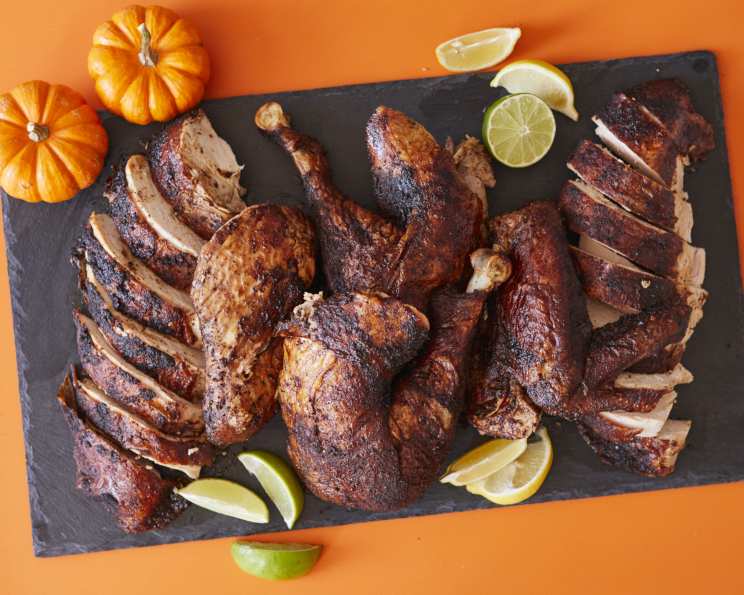
Cajun-Injected Fried Turkey with Spicy Dry Rub: A Southern Tradition
The first time I tasted a fried turkey, it was Thanksgiving at my Uncle Ray’s farm in Louisiana. The air was thick with humidity and the scent of woodsmoke, and a symphony of cicadas buzzed in the background. He pulled that bronzed, glistening bird from a bubbling cauldron of peanut oil, and the collective gasp of the family said it all. It was crispy, juicy, and bursting with flavor – a far cry from the dry, oven-roasted turkeys of my childhood. From that day on, fried turkey became a Thanksgiving staple, and I’ve spent years perfecting my own version, incorporating the bold flavors of Cajun cuisine. This recipe, combining a fiery dry rub with a deeply savory injection, delivers a moist, unforgettable turkey that will be the star of any feast.
Recipe Overview
- Prep Time: 30 minutes
- Marinating Time: 8-24 hours
- Cook Time: Varies by turkey size (see instructions)
- Total Time: Minimum 8 hours 30 minutes
- Servings: 8-12
- Dietary Type: Varies (see notes on ingredients)
Ingredients
For the Rub:
- ¼ cup chili powder
- ¼ cup paprika
- ¼ cup ground black pepper
- 2 tablespoons salt
- 1 ½ tablespoons onion powder
- 1 ½ tablespoons garlic powder
- 1 ½ tablespoons cayenne powder
For the Cajun Injection:
- 12-24 ounces bottled beer (a dark beer like a porter or stout adds depth, but any beer will work. Can substitute with broth or apple cider for an alcohol-free version.)
- 2-3 bay leaves
- 2 teaspoons crushed garlic
- 1-2 tablespoons Worcestershire sauce
- 2 tablespoons honey
- ¼ cup Louisiana hot sauce (optional, adjust to your spice preference)
- ¼ – ½ cup Rub (from above)
Equipment Needed
- Large mixing bowl
- Small saucepan
- Strainer
- Meat injector
- Deep fryer (appropriate for turkey frying)
- Turkey fryer thermometer
- Long tongs or turkey hook
- Heavy-duty gloves
- Eye protection
Instructions
-
Prepare the Rub: In a large mixing bowl, combine all rub ingredients: chili powder, paprika, ground black pepper, salt, onion powder, garlic powder, and cayenne powder. Mix thoroughly until well combined.
-
Apply the Rub: Generously apply the rub to the outside of the turkey. Make sure to get it under the skin of the breast, thighs, and drumsticks for maximum flavor penetration. Use your fingers to gently separate the skin from the meat, creating pockets for the rub.
-
Marinate: Place the rubbed turkey in a large container or brining bag and refrigerate for at least 8 hours, or up to 24 hours. This allows the flavors to meld and penetrate the meat.
-
Prepare the Cajun Injection: Combine the beer (or substitute), bay leaves, crushed garlic, Worcestershire sauce, honey, and hot sauce (if using) in a small saucepan. Add ¼ to ½ cup of the rub that you prepared earlier.
-
Reduce and Cool: Bring the mixture to a boil over medium-high heat, then reduce the heat to low and simmer for about 15-20 minutes, or until the liquid has reduced to about 1 cup. This concentrates the flavors.
-
Strain and Cool Completely: Remove the saucepan from the heat and allow the mixture to cool completely. Once cooled, strain the injection through a fine-mesh strainer to remove the bay leaves and garlic solids. This prevents clogging in your meat injector.
-
Inject the Turkey: Using a meat injector, inject the Cajun injection into all areas of the turkey, including the breast, thighs, drumsticks, and wings. Inject at multiple angles to ensure even distribution. Try to inject about 1 ounce of liquid per pound of turkey.
-
Prepare the Fryer: Follow the manufacturer’s instructions for your deep fryer. Typically, this involves filling the fryer with peanut oil (or other suitable oil) to the recommended level. Always use a fryer thermometer to accurately monitor the oil temperature.
-
Heat the Oil: Heat the oil to 325-350°F (163-177°C). Maintaining a consistent temperature is crucial for even cooking.
-
Carefully Lower the Turkey: Slowly and carefully lower the turkey into the hot oil. Use long tongs or a turkey hook to prevent splattering.
-
Fry the Turkey: Fry the turkey for approximately 3-4 minutes per pound, maintaining the oil temperature between 325-350°F (163-177°C). For example, a 12-pound turkey would fry for approximately 36-48 minutes.
-
Check for Doneness: Use a meat thermometer to check the internal temperature of the turkey. Insert the thermometer into the thickest part of the thigh, avoiding the bone. The turkey is done when the internal temperature reaches 165°F (74°C).
-
Remove the Turkey: Carefully remove the turkey from the fryer using long tongs or a turkey hook. Allow the excess oil to drain off.
-
Rest: Place the fried turkey on a wire rack to rest for at least 20-30 minutes before carving. This allows the juices to redistribute, resulting in a more moist and flavorful bird.
-
Carve and Serve: Carve the turkey and serve immediately.
Expert Tips & Tricks
- Safety First: Frying a turkey can be dangerous. Always fry outdoors, away from buildings and flammable materials. Use heavy-duty gloves and eye protection to prevent burns. Never leave the fryer unattended. Ensure the turkey is completely thawed and dry before frying to prevent oil splattering.
- Oil Temperature is Key: Maintaining the correct oil temperature is critical. If the oil is too hot, the outside of the turkey will burn before the inside is cooked. If the oil is too cool, the turkey will be greasy. Use a reliable fryer thermometer and adjust the heat as needed.
- Don’t Overcrowd the Fryer: Make sure the turkey fits comfortably in the fryer without overflowing. Overcrowding will lower the oil temperature and result in uneven cooking.
- Enhance the Flavor: Experiment with different beer varieties or add other spices to the injection. Consider adding a touch of maple syrup or brown sugar for a sweeter flavor.
- Prep Ahead: The rub and injection can be made ahead of time. Store the rub in an airtight container and the injection in the refrigerator for up to 3 days.
- Crispy Skin Secret: For extra crispy skin, pat the turkey dry with paper towels before applying the rub. You can also sprinkle a little cornstarch or baking powder into the rub.
Serving & Storage Suggestions
Serve the Cajun-injected fried turkey hot, immediately after carving. It pairs well with traditional Thanksgiving sides like mashed potatoes, gravy, stuffing, cranberry sauce, and green bean casserole. For a Cajun-inspired meal, consider serving it with jambalaya, dirty rice, or collard greens.
Store leftover turkey in an airtight container in the refrigerator for up to 3-4 days. To reheat, slice the turkey and warm it gently in a skillet with a little broth or gravy, or wrap it in foil and heat in a low oven (300°F) until warmed through. You can also freeze leftover turkey for up to 2-3 months. Wrap it tightly in freezer wrap or place it in a freezer bag to prevent freezer burn.
Nutritional Information
(Estimated, per serving, without sides)
| Nutrient | Amount per Serving | % Daily Value |
|---|---|---|
| Calories | 450 kcal | 23% |
| Total Fat | 25g | 38% |
| Saturated Fat | 7g | 35% |
| Cholesterol | 200mg | 67% |
| Sodium | 800mg | 33% |
| Total Carbohydrate | 5g | 2% |
| Dietary Fiber | 1g | 4% |
| Sugars | 3g | N/A |
| Protein | 50g | 100% |
Variations & Substitutions
- Gluten-Free: Ensure your Worcestershire sauce and beer (or substitute) are gluten-free.
- Lower Sodium: Use a low-sodium salt substitute or reduce the amount of salt in the rub and injection.
- Spicier: Increase the amount of cayenne pepper or hot sauce to your liking. You can also add a pinch of ground chipotle pepper for a smoky heat.
- Different Oils: While peanut oil is a popular choice for frying turkey, other suitable oils include canola oil, vegetable oil, or corn oil. Choose an oil with a high smoke point.
- Smoked Turkey: For a deeper, smokier flavor, smoke the turkey for a few hours before frying.
FAQs (Frequently Asked Questions)
Q: Can I use a frozen turkey?
A: No! It’s crucial to fully thaw your turkey before frying. A frozen turkey will cause the oil to splatter violently and could result in serious burns.
Q: How do I know if the oil is hot enough?
A: Always use a deep-fry thermometer to monitor the oil temperature. If you don’t have a thermometer, you can test the oil by dropping a small piece of bread into the hot oil; it should brown in about 30-60 seconds.
Q: Can I fry a smaller turkey?
A: Yes, you can adjust the cooking time based on the weight of the turkey. Use the guideline of 3-4 minutes per pound, and always check the internal temperature to ensure it reaches 165°F (74°C).
Q: What do I do if the oil starts to smoke too much?
A: If the oil starts to smoke excessively, reduce the heat immediately. The oil may be getting too hot.
Q: Can I reuse the oil after frying the turkey?
A: Yes, you can reuse the oil, but make sure to strain it through a fine-mesh strainer to remove any food particles. Store the oil in an airtight container in a cool, dark place. Discard the oil if it becomes dark or develops an off-odor.
Final Thoughts
This Cajun-injected fried turkey is more than just a recipe; it’s a celebration of flavor, tradition, and shared experiences. Don’t be intimidated by the frying process – with careful planning and attention to safety, you can create a truly unforgettable meal. Gather your friends and family, fire up the fryer, and prepare to be amazed by the juicy, flavorful results. I encourage you to try this recipe and make it your own by experimenting with different spices and seasonings. And, of course, I’d love to hear your feedback and see your culinary creations!