
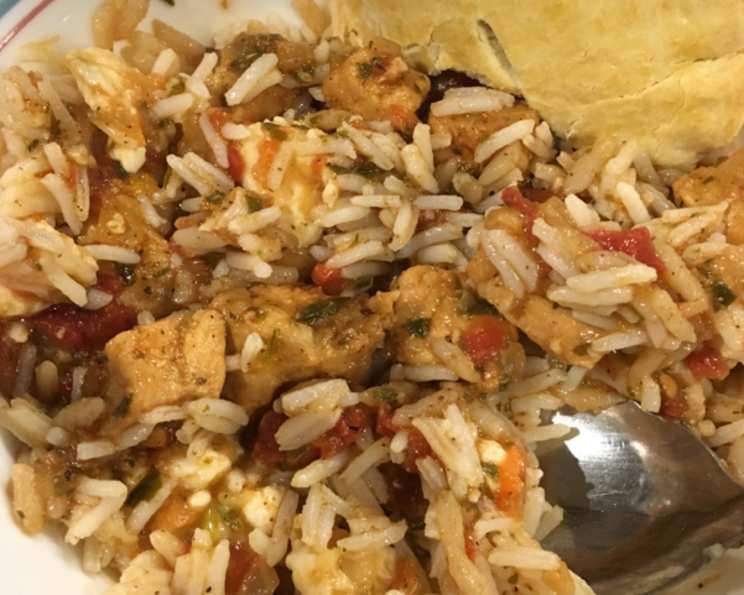
Fritanga – Spicy Pork and Egg Stew (Bolivia)
The memory still burns brightly – not just from the spices, but from the sheer, unadulterated joy of discovering Fritanga in a bustling Cochabamba market. I remember the vibrant colours of the fresh produce, the rhythmic chatter of vendors, and then, the unmistakable aroma of simmering chilies and pork. One taste of that fiery stew, served piping hot with a scattering of green onions and perfectly set eggs, and I was hooked. It was a culinary adventure that sparked my love for Bolivian cuisine, and a dish I’ve been recreating (with careful attention to the spice level!) ever since.
Recipe Overview
- Prep Time: 20 minutes
- Cook Time: 2 hours 30 minutes
- Total Time: 2 hours 50 minutes
- Servings: 4
- Yield: About 8 cups
- Dietary Type: Not specified, but contains meat and eggs. Can be made dairy-free.
Ingredients
- 2 1⁄4 lbs pork rib meat
- 2 cups cold water
- 2 cups white onions, thinly sliced
- 1 1⁄2 cups tomatoes, peeled and thinly sliced
- 1 tablespoon mint, finely minced
- 1⁄2 cup parsley, finely minced
- 1 teaspoon fresh oregano, chopped
- 4 garlic cloves, minced
- 1 1⁄2 teaspoons ground cumin
- 1 teaspoon ground black pepper
- 1⁄2 cup ground cayenne pepper (see notes!)
- Salt, to taste
- 4 cups water or broth (chicken or vegetable)
- 1 cup green onion, thinly sliced
- 4 eggs, beaten
Ingredient Notes:
- Pork Rib Meat: You can also use pork shoulder or another cut of pork suitable for stewing. Cut into bite-sized pieces.
- Cayenne Pepper: This recipe is extremely spicy as written. Start with 1-2 tablespoons and add more to taste. It’s much easier to add spice than to remove it! Taste throughout the cooking process.
- Broth: Using broth will add more flavor depth, but water works fine too.
- Herbs: Fresh herbs are best, but dried herbs can be used in a pinch (use about 1 teaspoon of dried oregano, and reduce the parsley and mint to 1/4 cup and 1/2 tablespoon respectively).
Equipment Needed
- Large pot or Dutch oven
- Cutting board
- Knife
- Measuring cups and spoons
Instructions
-
Prepare the Pork: Cut the pork rib meat into bite-sized pieces. Place the cut pork in a large pot with the cold water.
-
Boil and Brown: Heat the pot over high heat and bring to a boil. Continue boiling until all the water has evaporated. The pork will begin to brown in its own fat.
-
Sauté the Aromatics: Remove the pork from the pot and set aside. Add the onions and a dash of salt to the pot. Fry the onions until they are translucent, about 5-7 minutes.
-
Build the Flavor Base: Add the tomatoes, mint, parsley, oregano, garlic, cumin, and black pepper to the pot. Cook for 2-3 minutes, until the tomatoes soften slightly.
-
Add the Heat: Add the cayenne pepper (start with less than the recipe calls for!). Fry for another 1-2 minutes, allowing the spices to bloom and release their flavor. Be careful not to burn the spices.
-
Simmer the Stew: Pour in the water or broth, then add the pork back to the pot. Bring the mixture to a boil, then reduce the heat to low, cover, and simmer for 2 hours. Add more stock or water as necessary to maintain the liquid level in the pot. The pork should be very tender and easily shredded with a fork when it’s ready.
-
Finish the Stew: Five minutes before you are ready to serve, remove the pot from the heat and stir in the green onions. Add the beaten eggs, stirring quickly to prevent them from scrambling completely. The eggs should create a creamy, thickened sauce.
-
Serve Immediately: Serve hot.
Expert Tips & Tricks
- Spice Level Control: Seriously, be careful with the cayenne! Bolivian cuisine can be incredibly spicy, but adjust to your preference. Taste the stew frequently as it simmers and add more cayenne a little at a time until you reach your desired level of heat. You can always add more, but you can’t take it away!
- Browning the Pork: Don’t skip the step of boiling away the water and browning the pork. This adds a depth of flavor that is crucial to the final dish.
- Low and Slow: Simmering the stew for a long time is key to tenderizing the pork and allowing the flavors to meld together. Don’t rush the process.
- Egg Variation: Instead of stirring the beaten eggs directly into the stew, you can also poach the eggs separately and add them to each serving. This gives you more control over the egg doneness.
Serving & Storage Suggestions
Serve Fritanga hot, garnished with extra green onions and a sprinkle of fresh parsley. Accompany it with a side of rice or crusty bread to soak up the delicious sauce.
- Storage: Leftovers can be stored in an airtight container in the refrigerator for up to 3 days.
- Reheating: Reheat gently on the stovetop over low heat, or in the microwave.
- Freezing: Fritanga can be frozen for up to 2 months. Thaw completely in the refrigerator before reheating. The texture of the eggs may change slightly after freezing and thawing.
Nutritional Information
| Nutrient | Amount per Serving | % Daily Value |
|---|---|---|
| Calories | 450 kcal | 23% |
| Total Fat | 25g | 38% |
| Saturated Fat | 8g | 40% |
| Cholesterol | 250mg | 83% |
| Sodium | 300mg | 13% |
| Total Carbohydrate | 20g | 7% |
| Dietary Fiber | 5g | 20% |
| Sugars | 8g | – |
| Protein | 30g | 60% |
Nutritional information is an estimate and may vary based on specific ingredients and portion sizes.
Variations & Substitutions
- Vegetarian Fritanga: Substitute the pork with mushrooms or a combination of beans and vegetables. Use vegetable broth instead of water or chicken broth.
- Less Spicy Fritanga: Omit the cayenne pepper altogether, or use a milder chili powder.
- Spicier Fritanga: Add a few chopped fresh chilies (such as jalapenos or serranos) to the pot along with the other aromatics.
- Herby Fritanga: Experiment with different herbs, such as cilantro or epazote.
- Sweet Fritanga: A pinch of sugar can balance the spiciness of the dish.
FAQs (Frequently Asked Questions)
Q: Can I use a different cut of pork?
A: Yes, you can use pork shoulder, pork loin, or any other cut of pork that is suitable for stewing. Adjust the cooking time accordingly.
Q: How can I reduce the spiciness if I’ve already added too much cayenne pepper?
A: Add a dollop of sour cream or plain yogurt to each serving to help cool down the heat. You can also add a squeeze of lime juice to brighten the flavors and balance the spice.
Q: Can I make this recipe in a slow cooker?
A: Yes, you can adapt this recipe for a slow cooker. Brown the pork and sauté the aromatics in a skillet first, then transfer everything to the slow cooker and cook on low for 6-8 hours, or on high for 3-4 hours.
Q: Why do the eggs sometimes scramble when I add them to the stew?
A: Make sure the stew is not too hot when you add the eggs. Remove the pot from the heat and stir the eggs in quickly but gently.
Q: What is the best way to peel tomatoes easily?
A: Score the bottom of each tomato with an “X”, then blanch them in boiling water for 30 seconds. Immediately transfer them to an ice bath. The skins should slip off easily.
Final Thoughts
Fritanga is more than just a spicy pork stew; it’s a taste of Bolivia, a celebration of bold flavors and simple ingredients. Don’t be intimidated by the cayenne pepper – start small and adjust to your liking. This dish is incredibly versatile and forgiving, so feel free to experiment with different variations and substitutions. I hope this recipe inspires you to embark on your own culinary adventure and discover the vibrant flavors of Bolivian cuisine. Don’t hesitate to leave feedback and share your experience. ¡Buen provecho!