
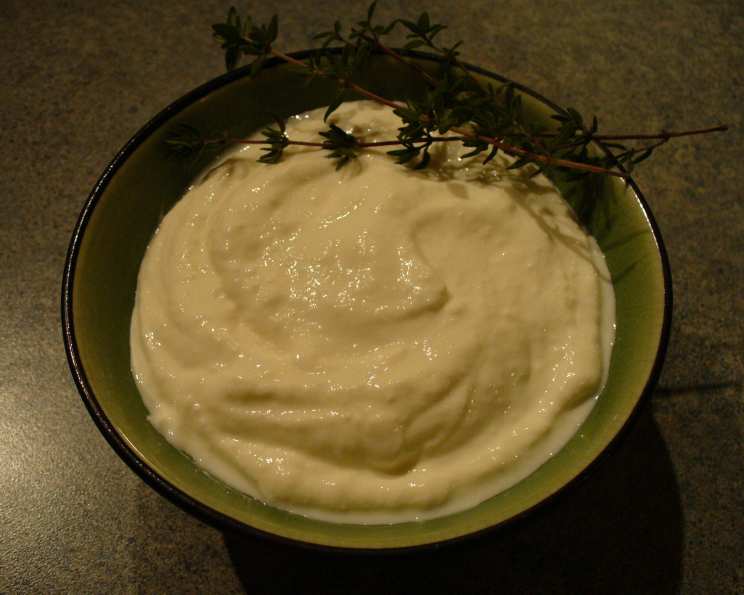
Fromage Blanc: A Taste of Simple Elegance
The first time I tasted Fromage Blanc, I was traveling through the French countryside, miles away from any bustling city. We stopped at a small, family-run farm, and the matriarch, a woman with eyes as blue as the summer sky, offered us a taste of her homemade cheese. It was served simply, drizzled with golden olive oil and sprinkled with fresh herbs from her garden. The creamy, slightly tangy flavor was unlike anything I had ever experienced – a pure expression of fresh milk transformed into something extraordinary. That simple taste has stayed with me, a reminder that some of the most exquisite culinary experiences are rooted in simplicity and the finest ingredients. Now, I want to share the magic with you.
Recipe Overview
- Prep Time: 20 minutes
- Cook Time: 20 minutes
- Total Time: 50 minutes
- Yields: Approximately 1 cup
- Serves: 2
- Dietary Type: Vegetarian
Ingredients
- 4 cups whole milk
- 1 cup buttermilk, active culture type
- 2 teaspoons lemon juice or 2 teaspoons white vinegar, more if needed
- ¾ teaspoon salt (to taste)
Equipment Needed
- Heavy-bottomed saucepan
- Thermometer
- Strainer
- Cheesecloth (4 layers)
- Wooden spoon or string
- Small mold (optional)
Instructions
-
In a heavy-bottomed saucepan, gently heat the whole milk over low heat, stirring occasionally to prevent scorching or the formation of skin on the surface. Monitor the temperature with a thermometer, aiming to reach 175°F (79°C). You’re looking for the point just before simmering – you’ll see tiny bubbles forming around the edges of the pan, and steam will begin to rise. Be patient and maintain low heat for even heating.
-
Once the milk reaches 175°F, remove the pan from the heat. Add the buttermilk and lemon juice (or white vinegar) and stir gently to combine. Observe the mixture carefully. Within 30 seconds, it should start to curdle, separating into solid curds and watery whey. If it doesn’t curdle, add another teaspoon of lemon juice or white vinegar and stir again. The amount of acid needed can vary slightly depending on the milk and buttermilk.
-
Let the mixture sit undisturbed for 10 minutes. This allows the curdling process to complete fully, ensuring a good yield of cheese.
-
While the mixture is resting, prepare your straining setup. Line a strainer with four layers of cheesecloth. Make sure the cheesecloth extends generously over the sides of the strainer to prevent any curds from escaping.
-
Gently ladle the curds and whey into the cheesecloth-lined strainer. Avoid pouring too quickly, as this can disrupt the curds and make them harder to drain.
-
Allow the curds to drain in the strainer for 5 minutes, letting the initial rush of whey escape.
-
Gather the edges of the cheesecloth together, forming a small sack containing the curds. Tie the sack tightly with a string or secure it to a wooden spoon.
-
Hang the sack over the empty saucepan, allowing the whey to continue draining for 30 minutes. The longer it drains, the drier and firmer the cheese will become. Adjust the draining time based on your desired consistency.
-
After 30 minutes (or longer, depending on desired consistency), snip off the top of the cheesecloth sack. Carefully remove the freshly formed Fromage Blanc from the cheesecloth.
-
In a small bowl, gently mix in the salt to taste. Adjust the amount of salt according to your preference.
-
Optional: For a more refined presentation, press the Fromage Blanc into a pretty little mold, such as those used for mini quiches or tartlets. Lining the mold with cheesecloth beforehand can add texture and make it easier to remove the cheese later.
-
The Fromage Blanc can be served fresh immediately, but chilling it overnight is recommended to allow the flavors to meld and the texture to firm up further. If chilling, cover it loosely with plastic wrap to prevent it from drying out.
-
When ready to serve, turn the Fromage Blanc out onto a serving plate. Drizzle with high-quality olive oil and sprinkle with freshly ground pepper or fresh chopped herbs, such as chives, parsley, or thyme.
-
This cheese can be made in larger batches and served on special occasions with crackers or bread.
Expert Tips & Tricks
- Temperature Control: The key to successful Fromage Blanc is maintaining the correct temperature. Too hot, and the milk can scald; too cold, and the curds won’t form properly. Use a thermometer to ensure accuracy.
- Curdling Boost: If your milk isn’t curdling readily, try adding a tiny pinch of citric acid along with the lemon juice or vinegar.
- Whey Power: Don’t discard the whey! It’s packed with nutrients and can be used in smoothies, soups, or even as a substitute for water in baking.
- Herb Infusion: For extra flavor, add fresh herbs directly to the milk while it’s heating. Remove them before adding the buttermilk and lemon juice.
- Draining Time: The draining time is crucial for achieving the desired consistency. For a softer, spreadable cheese, drain for a shorter period. For a firmer, more sliceable cheese, drain for longer. You can even leave it draining in the refrigerator overnight for a very firm cheese.
Serving & Storage Suggestions
Fromage Blanc is incredibly versatile. Serve it as a simple appetizer with crusty bread and olive oil, spread it on sandwiches, or use it as a base for dips and sauces. It pairs beautifully with fresh fruit, honey, or even a dollop of jam.
Store leftover Fromage Blanc in an airtight container in the refrigerator for up to 5 days. It’s best not to freeze it, as the texture can become grainy.
Nutritional Information
| Nutrient | Amount per Serving | % Daily Value |
|---|---|---|
| Calories | 343.1 kcal | N/A |
| Calories from Fat | 152 g | 44% |
| Total Fat | 16.9 g | 26% |
| Saturated Fat | 9.8 g | 48% |
| Cholesterol | 53.7 mg | 17% |
| Sodium | 1195.9 mg | 49% |
| Total Carbohydrate | 28.4 g | 9% |
| Dietary Fiber | 0 g | 0% |
| Sugars | 31.7 g | N/A |
| Protein | 19.8 g | 39% |
Note: Nutritional information is an estimate and may vary based on specific ingredients and preparation methods.
Variations & Substitutions
- Herb & Garlic Fromage Blanc: Mix minced garlic and finely chopped herbs (such as chives, parsley, and thyme) into the cheese for a savory spread.
- Sweet Fromage Blanc: Stir in a touch of honey, maple syrup, or fruit preserves for a sweeter treat.
- Spiced Fromage Blanc: Add a pinch of cinnamon, nutmeg, or cardamom for a warm, aromatic flavor.
- Lemon Zest Fromage Blanc: Grate fresh lemon zest into the cheese for a bright, citrusy note.
- Roasted Red Pepper Fromage Blanc: Blend roasted red peppers into the cheese for a smoky, sweet flavor.
- Goat Milk Fromage Blanc: For a tangier, more complex flavor, use goat milk instead of cow’s milk.
FAQs (Frequently Asked Questions)
Q: Can I use skim milk to make Fromage Blanc?
A: While you can use skim milk, the resulting cheese will be less creamy and have a lower yield due to the lower fat content. Whole milk is recommended for the best flavor and texture.
Q: How do I know when the milk has reached the correct temperature?
A: The best way is to use a reliable thermometer. You’re aiming for 175°F (79°C), which is just below simmering. Look for small bubbles forming around the edges of the pan and steam rising gently.
Q: My milk isn’t curdling. What should I do?
A: First, ensure the milk has reached the correct temperature. If it has, try adding a little more lemon juice or vinegar, one teaspoon at a time, stirring gently after each addition. Sometimes, the acidity of the buttermilk can vary.
Q: How long can I store Fromage Blanc?
A: Store leftover Fromage Blanc in an airtight container in the refrigerator for up to 5 days.
Q: Can I add salt to the milk while it’s heating?
A: It’s best to add the salt after the whey has been drained. Adding salt to the milk can sometimes interfere with the curdling process.
Final Thoughts
Making Fromage Blanc at home is a wonderfully simple and rewarding experience. It’s a testament to the fact that some of the most delicious foods are born from the fewest, freshest ingredients and a little bit of patience. I urge you to give this recipe a try. Imagine serving a bowl of this creamy, homemade cheese, drizzled with olive oil and sprinkled with herbs from your own garden, to friends and family. It’s not just a cheese; it’s a story, a connection to simple pleasures, and a taste of pure elegance. Enjoy!