
Freezing Bell Peppers: A Chef’s Guide to Year-Round Flavor
The aroma of sautéed bell peppers is one of my fondest childhood memories. My grandmother, a true Italian matriarch, always had a pot of peppers simmering on the stove, ready to be tossed with pasta, layered into sandwiches, or simply enjoyed on their own. She believed in using only the freshest ingredients, but even she admitted that bell peppers, especially the vibrant yellow and orange varieties, could be a budget-breaker. That’s when she revealed her secret: freezing bell peppers at their peak ripeness. Now, I follow her lead to bring a taste of sunshine to my dishes all year long, without emptying my wallet. These aren’t for snacking, but for adding brilliant color and flavor to countless cooked dishes.
Recipe Overview
- Prep Time: 15 minutes
- Cook Time: 0 minutes
- Total Time: 15 minutes + freezing time
- Servings: Varies (depending on how many peppers you freeze)
- Yield: Varies (depending on how many peppers you freeze)
- Dietary Type: Vegan, Gluten-Free, Dairy-Free, Whole 30, Paleo
Ingredients
- Fresh bell peppers, any and all colors
- Water, for washing
Equipment Needed
- Knife
- Cutting board
- Zip-top bags or vacuum sealer
- Freezer
Instructions
-
Start by thoroughly cleaning the bell peppers. Rinse them under cool water to remove any dirt or residue.
-
Next, prepare the peppers by removing the membrane and seeds from the inside. This step ensures a cleaner flavor and a more pleasant texture in your final dish.
-
Once cleaned, wash the peppers again and then pat them thoroughly dry with a clean kitchen towel or paper towels. Removing excess moisture is crucial for preventing ice crystals from forming during freezing, which can affect the texture of the peppers.
-
Rough chop the bell peppers into the size you anticipate needing for future recipes. Dicing them into 1/2-inch pieces is a good general size, but you can adjust based on your preferences. Remember, you can always chop them smaller later!
-
Place the chopped bell peppers into a zip-top bag, removing as much air as possible before sealing. For optimal preservation, consider using a vacuum sealer. Removing air prevents freezer burn and helps maintain the peppers’ quality.
-
Freeze the bags of bell peppers flat in a single layer for faster and more even freezing. Once frozen solid, you can stack them to save space in your freezer.
-
To use the frozen bell peppers, simply add them directly to your chili recipes, soups, stews, or any other dish where you want the flavor and color of fresh bell peppers. No need to thaw!
Expert Tips & Tricks
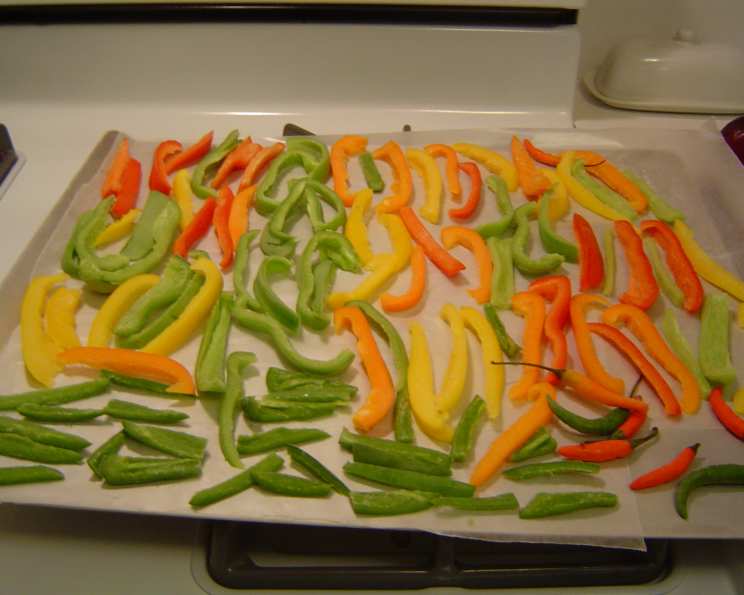
- Flash Freezing: For individual frozen peppers that don’t stick together, spread the chopped peppers in a single layer on a baking sheet lined with parchment paper and freeze for about an hour before transferring to a zip-top bag. This will prevent clumping.
- Color Coding: Use different colored zip-top bags or labels to easily identify the different colored peppers in your freezer. This can be helpful if you want to use a specific color in a recipe.
- Roasting First: For an even deeper flavor, consider roasting the bell peppers before freezing. Roast them until the skins are blackened, then place them in a bowl covered with plastic wrap to steam. Peel off the skins, remove the seeds, and then chop and freeze as directed.
- Preventing Freezer Burn: Freezer burn is the enemy of frozen vegetables. To minimize it, ensure your zip-top bags are tightly sealed, or use a vacuum sealer. You can also wrap the bags in foil for extra protection.
- Pre-Portioning: Consider pre-portioning the bell peppers into smaller bags for single-use servings. This will make it easier to grab exactly what you need for a recipe without having to thaw an entire bag.
Serving & Storage Suggestions
Frozen bell peppers are best used in cooked dishes. Their texture will be softer than fresh peppers after thawing, so they are not ideal for raw applications like salads.
Storage:
- Room Temperature: Do not store frozen bell peppers at room temperature.
- Refrigerator: Thawed bell peppers can be stored in the refrigerator for up to 3 days. Keep in mind that they will release some water as they thaw.
- Freezer: Frozen bell peppers can be stored in the freezer for up to 8-12 months. Ensure they are properly sealed to prevent freezer burn.
Reheating:
- Frozen bell peppers do not need to be reheated separately. Simply add them directly to your cooking dish. They will thaw and cook simultaneously. If using thawed peppers, add them towards the end of the cooking process to prevent them from becoming too mushy.
Nutritional Information
Note: Nutritional information is an estimate and may vary based on specific ingredients and portion sizes.
| Nutrient | Amount per Serving | % Daily Value |
|---|---|---|
| Calories | 24 kcal | 1% |
| Total Fat | 0.2 g | 0% |
| Saturated Fat | 0 g | 0% |
| Cholesterol | 0 mg | 0% |
| Sodium | 4 mg | 0% |
| Total Carbohydrate | 5 g | 2% |
| Dietary Fiber | 2 g | 7% |
| Sugars | 3 g | |
| Protein | 1 g | 2% |
| Vitamin A | 370 IU | 7% |
| Vitamin C | 190 mg | 317% |
Variations & Substitutions
- Different Cuts: Instead of dicing the bell peppers, you can slice them into strips for stir-fries or fajitas.
- Mixed Peppers: Combine different colored bell peppers in the same bag for a colorful mix.
- Adding Onions: Dice onions and freeze them with the bell peppers for a mirepoix base ready to go.
- Spice it Up: Add diced jalapeños or other chili peppers to the bell pepper mix for a spicy kick.
- Grilled Peppers: Grill the bell peppers before freezing for a smoky flavor.
- Specific Peppers: Freeze only one color (e.g., just red bell peppers) if you have a particular need for a recipe.
- Other Vegetables: Consider freezing bell peppers with other commonly used vegetables like onions and celery, creating your own pre-made “soup starter” mix.
FAQs (Frequently Asked Questions)
Q: Will the bell peppers be as crisp as fresh bell peppers after freezing?
A: No, freezing will change the texture of the bell peppers. They will be softer than fresh peppers, making them best suited for cooked dishes.
Q: Do I need to thaw the bell peppers before using them in recipes?
A: No, you can add frozen bell peppers directly to your recipes. They will thaw and cook simultaneously.
Q: How long can I store frozen bell peppers in the freezer?
A: Properly frozen bell peppers can be stored in the freezer for up to 8-12 months without significant loss of quality.
Q: What’s the best way to prevent freezer burn?
A: Remove as much air as possible from the bag before sealing. Vacuum sealing is the most effective method. Wrapping the sealed bag in foil can also help.
Q: Can I freeze bell peppers that have already been cooked?
A: Yes, you can freeze cooked bell peppers. Make sure they are cooled completely before packaging and freezing.
Final Thoughts
Freezing bell peppers is a simple yet incredibly useful technique that can save you money and ensure you always have flavorful ingredients on hand. Don’t be intimidated – it’s one of the easiest ways to extend the life of your produce and minimize food waste. I encourage you to give it a try, experiment with different variations, and let me know how it works for you! Perhaps you’ll create your own signature blend of frozen peppers and onions, just like my grandmother did. Share your culinary creations with friends and family – they’ll appreciate the vibrant flavors you bring to the table, all thanks to the magic of frozen bell peppers.