
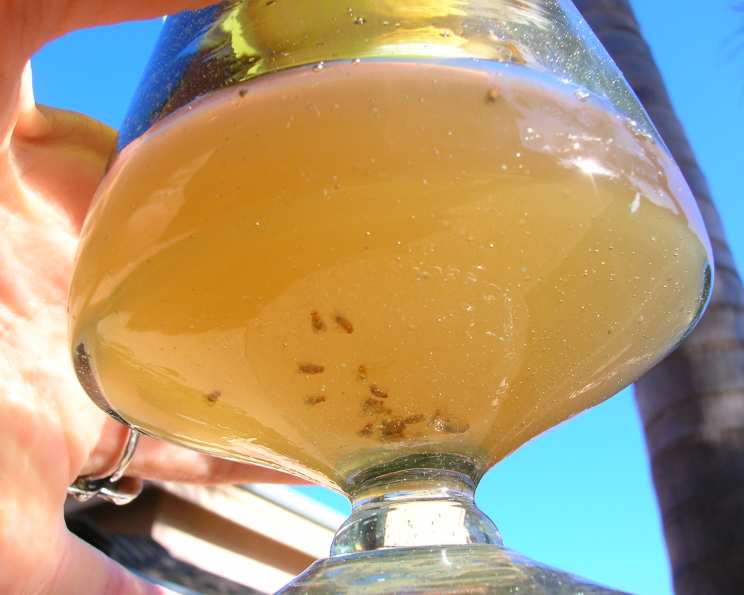
The Ultimate DIY Fruit Fly & Gnat Trap: A Chef’s Secret Weapon
My grandmother, bless her heart, had the greenest thumb of anyone I knew. Her garden, a riot of color and fragrance, was legendary. But with all that bounty came, inevitably, uninvited guests: fruit flies. I remember her perpetually swatting at them around her prized tomatoes, muttering under her breath. Then one day, she unveiled her secret weapon: a simple, yet ingenious, trap made with just a few household ingredients. It was pure magic watching those pesky little critters disappear! This isn’t just a recipe; it’s a culinary tradition passed down through generations.
Recipe Overview
- Prep Time: 5 minutes
- Total Time: 5 minutes
- Yields: 1 trap
- Dietary Type: Vegan
Ingredients
- 3-4 tablespoons apple cider vinegar
- 1 piece of white paper
- 1-2 drops liquid dish soap
Equipment Needed
- Glass or jar (small to medium sized)
- Scissors (optional, for fine-tuning the paper cone)
Instructions
-
Start by pouring the apple cider vinegar into your chosen glass or jar. The amount isn’t critical, just enough to cover the bottom nicely. This sweet, fermented liquid acts as the primary attractant for those pesky fruit flies and gnats.
-
Add 1-2 drops of liquid dish soap to the vinegar. Don’t overdo it! The soap breaks the surface tension of the vinegar, which prevents the flies from simply landing on the surface and flying away. Instead, they’ll fall in and, well, you know the rest.
-
Now, for the paper cone. Take a piece of white paper and form it into a cone shape. The key here is to create a small hole at the bottom of the cone, about 3/4 to 1 inch in diameter. This is the entrance for the flies, and they’re much more likely to fly into a small opening than a large one.
-
Position the cone on the rim of the glass or jar, with the pointed end facing down towards the vinegar. Ensure the tip of the cone doesn’t touch the vinegar. You want the flies to fly into the cone and down to the liquid, not simply crawl down a paper ramp.
-
This is where a little finesse comes in. You might need to adjust the shape of the cone to ensure it sits snugly on the rim of the glass or jar. You want to minimize any gaps between the paper and the rim, as those clever little flies will find any escape route. Squeeze and shape the paper until you have a good, secure fit.
-
Monitor the trap. Every day or two, check the vinegar solution. You’ll notice when it starts to lose its potency – the flies will stop going in. When this happens, simply replace the vinegar with a fresh batch.
Expert Tips & Tricks
- Vinegar Selection: While any apple cider vinegar will work, I’ve found that the darker, more robust varieties tend to be more effective. The stronger the scent, the more appealing it is to the flies. Experiment with different brands to see what works best in your area.
- Soap Savvy: Use a mild, unscented dish soap. Highly perfumed soaps might deter the flies.
- Cone Construction: If you’re having trouble getting the cone to sit properly, try using a small piece of tape to secure the seam. Just make sure the tape doesn’t interfere with the opening at the bottom.
- Placement Matters: Position the trap near the source of the problem. Common culprits include fruit bowls, compost bins, and near sinks or drains.
- Beyond Apple Cider Vinegar: While apple cider vinegar is my go-to, you can also try using red wine vinegar or even a mixture of balsamic vinegar and a little sugar. The key is the sweet, fermented scent.
- Patience is Key: It might take a little while for the flies to find the trap, so don’t be discouraged if you don’t see results immediately. Just leave it in place and let it work its magic.
- Paper Alternatives: While I swear by the paper cone, some people prefer using plastic wrap. If you go that route, stretch a piece of plastic wrap tightly over the top of the glass or jar and secure it with a rubber band. Then, poke a few small holes in the plastic wrap with a toothpick.
- Cleanliness Counts: The best way to control fruit flies is to eliminate their food sources. Keep your kitchen clean, wipe up spills promptly, and store ripe fruit in the refrigerator.
Serving & Storage Suggestions
This isn’t exactly something you “serve,” but rather deploy! Place the trap strategically in areas plagued by fruit flies. It’s best to keep the trap at room temperature, near the source of the infestation. Replace the vinegar solution every few days, or as needed, to maintain its effectiveness. There’s no need to store it, just keep it working! A well-maintained trap will continue to catch flies for weeks.
Nutritional Information
Since this isn’t an edible recipe, here’s the approximate nutritional information for a single serving (based on the vinegar):
| Nutrient | Amount per Serving | % Daily Value |
|---|---|---|
| Calories | 3 kcal | 0% |
| Total Fat | 0g | 0% |
| Saturated Fat | 0g | 0% |
| Cholesterol | 0mg | 0% |
| Sodium | 1mg | 0% |
| Total Carbohydrate | 0.1g | 0% |
| Dietary Fiber | 0g | 0% |
| Sugars | 0.1g | 0% |
| Protein | 0g | 0% |
Note: Nutritional information is approximate and based on a 4-tablespoon serving of apple cider vinegar. Dish soap contributes negligible nutritional value.
Variations & Substitutions
- Sweet Treat Boost: Add a tiny drop of honey or maple syrup to the vinegar solution to further entice the flies.
- Wine Not?: Replace the apple cider vinegar with red wine vinegar or even a small amount of leftover red wine.
- Fruit Punch Fly Trap: Macerate some overly ripe fruit (banana peel, apple core) in the vinegar to create a super-charged attractant.
- Spice it Up (Carefully!): A tiny pinch of cinnamon or clove in the vinegar can add an extra layer of aroma that some find effective. Be careful not to use too much, as strong smells can sometimes repel insects.
- DIY Dish Soap: If you’re avoiding commercial dish soap, a small amount of homemade soap or even a bit of diluted castile soap can work.
FAQs (Frequently Asked Questions)
Q: How long does it take for the trap to start working?
A: It depends on the severity of the infestation, but you should start seeing results within a few hours. Check the trap daily and replace the vinegar as needed.
Q: Why is dish soap necessary?
A: The dish soap breaks the surface tension of the vinegar, causing the flies to sink and drown instead of just landing on the surface.
Q: Is this trap safe for pets and children?
A: Yes, it’s generally safe, as it uses non-toxic ingredients. However, it’s best to keep it out of reach of small children and pets to prevent accidental spills or ingestion of the vinegar.
Q: How often should I replace the vinegar solution?
A: Replace the vinegar every day or two, or when you notice that it’s no longer attracting flies. The solution loses its potency over time as the vinegar evaporates and becomes diluted.
Q: What if the fruit flies aren’t attracted to the trap?
A: Try experimenting with different types of vinegar or adding a tiny bit of sugar or honey to the solution. Also, make sure the trap is placed in a location where the flies are active.
Final Thoughts
Don’t let those pesky fruit flies ruin your culinary creations! This simple trap is a lifesaver, a testament to the ingenuity of home cooks everywhere. It’s a quick, effective, and environmentally friendly way to banish those unwanted guests from your kitchen. So, give it a try, and let me know how it works for you. And who knows, maybe you’ll even impress your grandmother with this time-tested technique!