
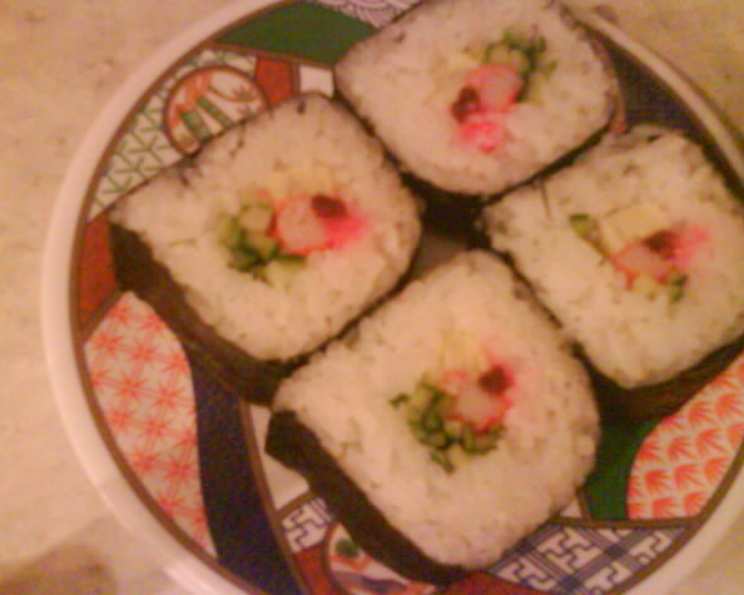
Futo-Maki: A Celebration in Every Slice
My earliest memories of futo-maki are intertwined with the vibrant colors of spring festivals. I remember sitting cross-legged on a woven tatami mat, watching my grandmother expertly assemble these majestic rolls. Her hands, weathered and wise, moved with a practiced grace, transforming humble ingredients into a edible work of art. Each bite was a burst of flavor and texture, a reminder of family, tradition, and the simple joy of sharing a delicious meal. Now, decades later, I carry on that tradition, eager to share this recipe with you.
Recipe Overview
- Prep Time: 1 hour 15 minutes
- Cook Time: 1 hour
- Total Time: 2 hour 15 minutes
- Servings: 4
- Yields: 4 rolls
- Dietary Type: Varies, can be vegetarian
Ingredients
- 4 cups cooked sushi rice
- 4 sheets nori (dried seaweed)
- 2 eggs
- 1 ounce dried gourd (kampyo)
- 8 dried shiitake mushrooms
- 2⁄3 cup dashi stock
- 2 tablespoons sugar
- 1 tablespoon mirin
- 3 tablespoons soy sauce
- Cucumber, cut into sticks (optional)
Equipment Needed
- Large bowl
- Small saucepan
- Frying pan
- Bamboo sushi mat
- Sharp knife
Instructions
- Begin by preparing the kampyo and shiitake mushrooms. Wash them thoroughly and place them in separate bowls. Cover both with water and allow them to soak for at least an hour to rehydrate fully. This step is crucial for achieving the desired tenderness and flavor.
- Once the kampyo and shiitake mushrooms have soaked, drain them well. Slice the kampyo and mushrooms into pieces approximately 8 inches long. This length will ensure they fit neatly within the futo-maki.
- In a saucepan, combine the dashi stock, sugar, mirin, and soy sauce. Add the sliced kampyo and shiitake mushrooms to the pan.
- Bring the mixture to a simmer over medium heat. Reduce the heat to low and allow it to simmer gently for about an hour, or until the kampyo and mushrooms are tender and have absorbed the flavorful braising liquid. Monitor the liquid level and add a splash of water if the pan becomes too dry.
- Remove the saucepan from the heat and allow the kampyo and mushrooms to cool completely in the braising liquid. This allows them to continue absorbing the flavors as they cool.
- While the kampyo and mushrooms are cooling, prepare the egg omelette. In a bowl, beat the eggs and add the remaining sugar. Whisk until well combined and the sugar is dissolved.
- Heat a lightly oiled frying pan over medium heat. Pour the egg mixture into the pan and cook until a firm, thin omelette forms. Aim for an omelette that is cooked through but still pliable.
- Remove the omelette from the pan and allow it to cool slightly. Once cool enough to handle, cut the omelette into long, thin strips. These strips will add a vibrant yellow hue and a delightful texture to the futo-maki.
- Now, it’s time to assemble the futo-maki. Place a sheet of nori (dried seaweed) on top of a bamboo sushi mat. Ensure the nori is positioned with the shiny side facing down.
- Moisten your hands slightly with water to prevent the sushi rice from sticking. Take approximately one cup of cooked sushi rice and spread it evenly over the nori, leaving about an inch of space at the top edge of the nori farthest from you.
- Arrange one-quarter of the prepared ingredients – kampyo, shiitake mushrooms, egg strips, and optional cucumber sticks – lengthwise across the center of the rice. Be generous with the fillings, but avoid overfilling, as this can make the roll difficult to close.
- Using the bamboo sushi mat, begin rolling the futo-maki in a jelly roll fashion. Lift the edge of the mat closest to you and gently fold it over the fillings, pressing forward slowly and firmly to form a tight cylinder. Use the mat to help shape and compress the roll as you go.
- Once the roll is complete, firmly press the mat around the cylinder to ensure it is tightly sealed. This step is crucial for preventing the roll from unraveling when sliced.
- Remove the futo-maki from the mat and place it on a cutting board. Using a sharp, moistened knife, cut the roll into 4-6 bite-sized pieces. Wipe the knife clean between each slice to prevent the rice from sticking.
- Repeat steps 9-14 with the remaining nori, rice, and ingredients until all four futo-maki rolls are complete.
Expert Tips & Tricks
- To prevent the sushi rice from sticking to your hands, keep a small bowl of water nearby and moisten your hands frequently.
- When simmering the kampyo and shiitake mushrooms, avoid boiling, as this can make them tough.
- For a richer flavor, use homemade dashi stock.
- Experiment with different fillings, such as cooked spinach, carrots, or pickled radish (daikon).
- For a vegetarian version, omit the egg omelette and add more vegetables.
- If you find that your sushi rice is too sticky, try adding a teaspoon of rice vinegar to it.
Serving & Storage Suggestions
Serve the futo-maki immediately after slicing for the best taste and texture. Arrange the slices attractively on a platter and garnish with fresh ginger or a sprinkle of sesame seeds. Futo-maki is best enjoyed fresh. However, leftovers can be stored in an airtight container in the refrigerator for up to 24 hours. After that, the rice may start to harden. Reheating is not recommended.
Nutritional Information
| Nutrient | Amount per Serving | % Daily Value |
|---|---|---|
| Calories | 334 kcal | – |
| Calories from Fat | 26 kcal | – |
| Total Fat | 3g | 4% |
| Saturated Fat | 0.9g | 4% |
| Cholesterol | 106mg | 35% |
| Sodium | 813mg | 33% |
| Total Carbohydrate | 66g | 22% |
| Dietary Fiber | 1.5g | 5% |
| Sugars | 8.4g | – |
| Protein | 9.7g | 19% |
Note: Nutritional information is an estimate and may vary based on specific ingredients and preparation methods.
Variations & Substitutions
- Vegan Futo-Maki: Omit the egg omelette and add additional vegetables such as avocado, blanched green beans, or pickled radish. Consider using a plant-based egg substitute for the omelette if desired.
- Spicy Futo-Maki: Add a small amount of sriracha or chili garlic sauce to the sushi rice for a fiery kick.
- Seafood Futo-Maki: Incorporate cooked shrimp, crab, or tuna into the fillings. Ensure that any seafood used is fresh and of high quality.
- Seasonal Futo-Maki: Adapt the fillings to reflect seasonal ingredients. In the spring, use fresh asparagus or fava beans. In the fall, try adding roasted sweet potato or pumpkin.
- Gluten-Free Futo-Maki: Ensure that the soy sauce used is gluten-free (tamari is a good option).
FAQs (Frequently Asked Questions)
Q: Can I make futo-maki ahead of time?
A: While futo-maki is best served fresh, you can prepare the fillings (kampyo, shiitake mushrooms, and egg omelette) in advance. Store them in the refrigerator until ready to assemble.
Q: How do I prevent the nori from becoming soggy?
A: To prevent the nori from becoming soggy, avoid overfilling the rolls and ensure that the rice is not too wet. Also, serve the futo-maki soon after assembly.
Q: What is dashi stock, and can I substitute it?
A: Dashi stock is a Japanese soup stock made from kombu (dried kelp) and katsuobushi (dried bonito flakes). You can substitute it with vegetable broth or chicken broth, but the flavor will be different.
Q: How long will leftover futo-maki last?
A: Leftover futo-maki can be stored in the refrigerator for up to 24 hours. However, the rice may harden over time.
Q: What’s the best way to slice futo-maki without squashing it?
A: Use a very sharp knife and moisten the blade before each cut. This will help the knife glide through the roll without compressing it.
Final Thoughts
Futo-maki is more than just a recipe; it’s a culinary adventure waiting to be embarked upon. Don’t be intimidated by the slightly longer preparation time; the process is incredibly rewarding. Embrace the opportunity to experiment with different fillings and personalize the rolls to your liking. I encourage you to gather your loved ones, roll up your sleeves, and create a delicious masterpiece together. And as you savor each bite, remember the rich history and cultural significance of this traditional dish. Share your creations and feedback with me – I can’t wait to hear about your futo-maki journey!