
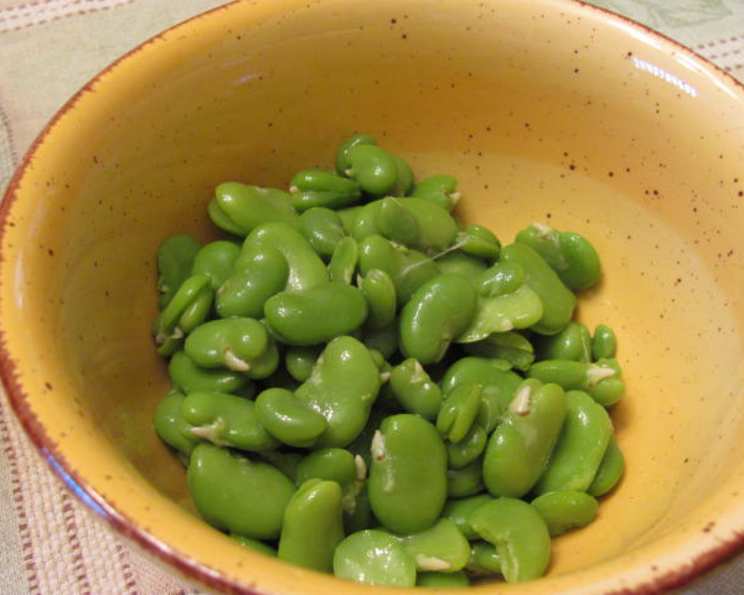
Gabriel’s Sautéed Fava Beans: A Taste of Spring
I remember the first time I tasted truly fresh fava beans. It was at a small farmer’s market in Tuscany, the air thick with the scent of herbs and sun-baked earth. An old woman, her hands stained green, offered me a handful – simply blanched, peeled, and drizzled with olive oil. The sweet, slightly grassy flavor was a revelation, a concentrated burst of springtime that I’ve been chasing ever since. This simple recipe, shared by chef Gabriel Claycamp, captures that essence perfectly.
Recipe Overview
- Prep Time: 30 minutes
- Cook Time: 10 minutes
- Total Time: 40 minutes
- Servings: 2
- Yield: Approximately 1 1/2 cups
- Dietary Type: Vegetarian
Ingredients
- Boiling water
- Salt
- Ice
- Tap water
- 2 lbs fresh fava beans, in the pod (yields about 1 1/2 to 2 cups shelled beans)
- 1 tablespoon butter
- 1 teaspoon olive oil
- 2 garlic cloves, minced, to taste
- Salt & freshly ground black pepper, to taste
Equipment Needed
- Large saucepan
- Bowl
- Skillet
- Knife
Instructions
- First, shell the beans from the fava pods. A helpful technique is to run the edge of a knife along the seam, cutting away the tough edge so that the pod halves come apart more easily. This is especially useful if you’re new to fava beans.
- In a large saucepan, bring water to a boil. Then, add salt – the amount depends on how much water you have, but it should be very salty, like seawater. This helps season the beans evenly from the inside out.
- In a bowl, combine ice and tap water to make ice water; set aside. This ice bath is crucial for stopping the cooking process and preserving the vibrant green color of the fava beans.
- Add the shelled beans to the boiling water and let cook for about 3 minutes. Be careful not to overcook them at this stage, as they will continue to cook in the next step.
- Remove from saucepan and immediately plunge into the ice water to halt the cooking. The rapid cooling prevents the beans from becoming mushy.
- Let the beans cool completely in the ice water, then peel the outer skin from each of them. This is the most time-consuming part of the process, but it’s essential for achieving the desired texture. The skins can be slightly bitter, so removing them ensures a smoother, more delicate flavor.
- Over medium heat in a skillet, melt together the butter and olive oil. The combination of butter and olive oil provides a rich flavor and prevents the butter from burning.
- Add the garlic and sauté for 1 minute. Be careful not to brown the garlic, as it will become bitter. The goal is to gently infuse the oil with its aromatic flavor.
- Add the peeled fava beans and sauté for about 5 to 7 minutes, or until they are done to your preference. The beans should be tender but still retain a slight bite.
- Season to taste with salt and freshly ground pepper, serve, and enjoy!
Expert Tips & Tricks
- To make shelling the fava beans easier, try snapping off one end of the pod and pulling the string down the length of the pod before opening it.
- Don’t discard the fava bean pods! They can be used to make a flavorful vegetable broth. Simply simmer them with other vegetable scraps, herbs, and water for about an hour, then strain.
- If you find the peeling process tedious, try making a small slit in the skin of each bean before blanching. This will make it easier to slip the skins off after they’ve cooled.
- For an extra layer of flavor, consider adding a squeeze of lemon juice to the beans just before serving. The acidity will brighten the flavors and add a touch of zest.
Serving & Storage Suggestions
Serve Gabriel’s Sautéed Fava Beans immediately for the best flavor and texture. They make a delightful side dish alongside grilled fish or roasted chicken. You can also toss them with pasta, add them to salads, or serve them as part of an antipasto platter.
Leftover fava beans can be stored in an airtight container in the refrigerator for up to 3 days. Reheat them gently in a skillet with a little olive oil or butter. Freezing is also an option. Spread the cooked and cooled beans in a single layer on a baking sheet and freeze until solid, then transfer them to a freezer bag. Thaw them completely before reheating. Note that the texture may be slightly softer after freezing.
Nutritional Information
| Nutrient | Amount per Serving | % Daily Value |
|---|---|---|
| Calories | 250 kcal | 13% |
| Total Fat | 8g | 12% |
| Saturated Fat | 5g | 25% |
| Cholesterol | 10mg | 3% |
| Sodium | 30mg | 1% |
| Total Carbohydrate | 35g | 12% |
| Dietary Fiber | 15g | 60% |
| Sugars | 5g | – |
| Protein | 15g | 30% |
Variations & Substitutions
- For a vegan version, substitute the butter with olive oil or a vegan butter alternative.
- Add a pinch of red pepper flakes for a touch of heat.
- Incorporate other seasonal vegetables, such as asparagus, peas, or zucchini, into the sauté.
- Experiment with different herbs, such as mint, parsley, or thyme, to customize the flavor profile.
- Try using pancetta or bacon instead of butter and olive oil for a richer, more savory dish.
FAQs (Frequently Asked Questions)
Q: Why is it important to blanch the fava beans before peeling them?
A: Blanching helps to loosen the outer skin of the beans, making them easier to peel. It also helps to preserve their vibrant green color.
Q: Can I use frozen fava beans instead of fresh?
A: While fresh fava beans are ideal, frozen can be used in a pinch. Be sure to thaw them completely and drain off any excess water before sautéing. The texture may be slightly softer.
Q: How do I know when the fava beans are cooked through?
A: The fava beans should be tender but still have a slight bite to them. Avoid overcooking them, as they will become mushy.
Q: Can I add other ingredients to this recipe?
A: Absolutely! Caramelized onions, fennel, chunky fresh tomatoes, or a bit of chopped prosciutto are all delicious additions.
Q: How can I store leftover fava beans?
A: Store leftover fava beans in an airtight container in the refrigerator for up to 3 days. Reheat them gently in a skillet with a little olive oil or butter.
Final Thoughts
Gabriel’s Sautéed Fava Beans are a celebration of simple, fresh ingredients and a testament to the transformative power of good cooking techniques. I encourage you to seek out fresh fava beans when they are in season and experience the unique flavor of this springtime delicacy. Share your feedback and creations with others, and perhaps pair this dish with a crisp white wine and crusty bread for a truly unforgettable culinary experience.