
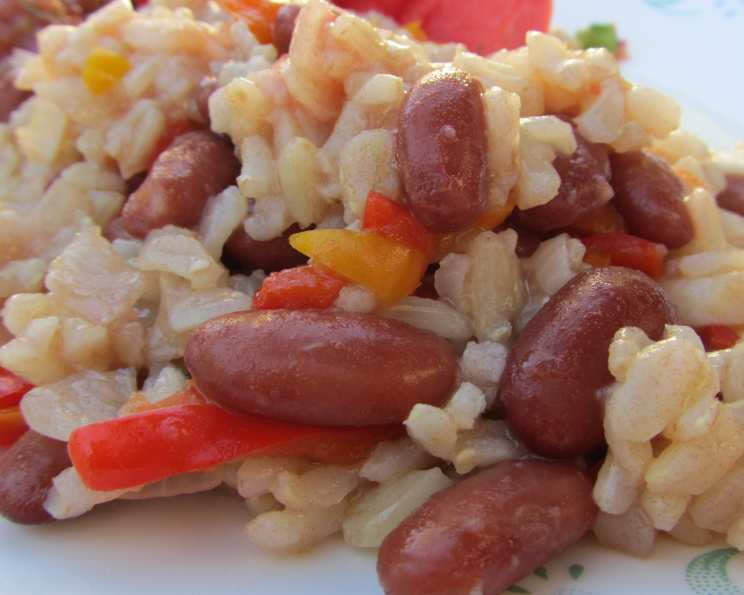
Gallo Pinto: A Costa Rican Staple
My first encounter with Gallo Pinto wasn’t in a restaurant or a cooking class, but in a small, family-run soda – a traditional Costa Rican eatery – nestled in the heart of La Fortuna, near the majestic Arenal volcano. The aroma of simmering beans, spices, and something subtly sweet filled the air. I remember sitting at a wobbly wooden table, the sounds of Spanish swirling around me, and taking my first bite. The combination of savory beans, fluffy rice, and vibrant vegetables was simple yet utterly satisfying. It was more than just a meal; it was a taste of pura vida, the essence of Costa Rican life itself, and a memory that has stuck with me ever since.
Recipe Overview
- Prep Time: 10 minutes
- Cook Time: 10 minutes
- Total Time: 20 minutes
- Servings: 4-6
- Yield: Approximately 6 cups
- Dietary Type: Vegetarian (easily made vegan)
Ingredients
- 2-3 tablespoons oil
- 1 onion, finely chopped
- 1 bell pepper, finely chopped
- 2-3 garlic cloves, minced
- 1 cup kidney beans (or 2 cups black beans), drained
- Salt and pepper, to taste
- 2 cups hot cooked rice
Equipment Needed
- Large skillet or sauté pan
Instructions
-
Heat the oil in a large skillet or sauté pan over medium-high heat. You can use vegetable oil, canola oil, or even coconut oil for a more authentic Caribbean flavor.
-
Add the onions, bell pepper, and garlic and sauté for about 2-3 minutes, or until cooked through and softened. Stir frequently to prevent burning. The vegetables should be fragrant and slightly translucent.
-
Stir in the drained beans, some of their reserved liquid (about ¼ cup), salt, and pepper. Bring the mixture to a boil, then reduce the heat to medium-low and continue to simmer until heated through, about 5 minutes. Taste and adjust the seasoning as needed.
-
Add the rice and stir to combine thoroughly with the bean mixture. Heat through, stirring frequently to prevent sticking. This should take another 2-3 minutes.
-
Adjust seasoning again if necessary, and add a little more bean liquid if the mixture seems too dry. The consistency should be slightly moist but not soupy.
-
Serve hot.
Expert Tips & Tricks
-
For extra flavor: Consider adding a pinch of cumin, coriander, or a dash of hot sauce to the sautéing vegetables. A bay leaf simmered with the beans can also impart a subtle depth of flavor.
-
Day-old rice is best: Gallo Pinto is often made with leftover rice, which helps to prevent it from becoming mushy. If using freshly cooked rice, make sure it’s cooled slightly before adding it to the beans.
-
Bean broth is key: Don’t discard the liquid from the canned beans! This liquid adds richness and flavor to the dish. If you’re cooking beans from scratch, reserve some of the cooking liquid for the same purpose.
-
Vegetable prep shortcut: Pre-chopped vegetables will work in a pinch but fresh is always best for flavour. If using a frozen vegetable mix, ensure it’s fully thawed before adding to the pan.
-
The Lizano Factor: If you want to truly capture the essence of Gallo Pinto, try to find Salsa Lizano, a popular Costa Rican condiment. A few dashes of this tangy, slightly sweet sauce added at the end of cooking will elevate the dish to another level.
Serving & Storage Suggestions
Gallo Pinto is traditionally served as part of breakfast in Costa Rica, often alongside fried eggs, plantains, tortillas, and sour cream. However, it’s also delicious as a side dish for lunch or dinner.
To serve attractively, mound the Gallo Pinto on a plate and garnish with fresh cilantro, chopped green onions, or a dollop of sour cream. You can also shape it into a small stack using a ramekin or cookie cutter for a more elegant presentation.
Leftovers can be stored in an airtight container in the refrigerator for up to 3-4 days. To reheat, simply microwave until heated through, or sauté in a pan with a little oil until warmed. You may need to add a splash of water or broth to prevent it from drying out.
Gallo Pinto also freezes well. Store in freezer-safe containers or bags for up to 2-3 months. Thaw overnight in the refrigerator before reheating.
Nutritional Information
| Nutrient | Amount per Serving | % Daily Value |
|---|---|---|
| Calories | 254 kcal | N/A |
| Total Fat | 7.5g | 11% |
| Saturated Fat | 1.1g | 5% |
| Cholesterol | 0mg | 0% |
| Sodium | 191.7mg | 7% |
| Total Carbohydrate | 40.3g | 13% |
| Dietary Fiber | 4.7g | 18% |
| Sugars | 3.1g | N/A |
| Protein | 6.2g | 12% |
Note: Nutritional information is an estimate and may vary based on specific ingredients and portion sizes.
Variations & Substitutions
-
Casamiento (Salvadoran black beans and rice): Use black beans instead of red kidney beans. This variation is popular in El Salvador.
-
Coconut Gallo Pinto: Nicaraguans on the Caribbean coast traditionally use coconut oil instead of vegetable oil for a richer, more aromatic flavor.
-
Spice it up: Add a diced jalapeño or a pinch of cayenne pepper to the sautéing vegetables for a spicy kick.
-
Herbaceous twist: Stir in some chopped cilantro or parsley at the end of cooking for added freshness.
-
Umami boost: Add a few dashes of bottled pepper sauce or Worcestershire sauce for added depth of flavor.
-
Veganize it: Ensure you are using a plant-based oil and that your beans were not cooked with any animal products (like ham hock). Gallo Pinto is naturally vegetarian, and easily made vegan.
FAQs (Frequently Asked Questions)
Q: Can I use brown rice instead of white rice?
A: Yes, you can substitute brown rice, but be aware that it will take longer to cook and may result in a slightly different texture. Make sure the brown rice is fully cooked before adding it to the bean mixture.
Q: Can I make Gallo Pinto ahead of time?
A: Absolutely! Gallo Pinto is a great make-ahead dish. Prepare it up to 2-3 days in advance and store it in the refrigerator. Reheat thoroughly before serving.
Q: I don’t have kidney beans. Can I use another type of bean?
A: Yes, you can use other types of beans such as black beans, pinto beans, or even great northern beans. The flavor profile will change slightly depending on the type of bean you use.
Q: My Gallo Pinto is too dry. How can I fix it?
A: Add a little more bean liquid, water, or vegetable broth to the mixture and stir until it reaches the desired consistency.
Q: What goes well with Gallo Pinto?
A: Gallo Pinto is traditionally served with fried eggs, plantains, tortillas, sour cream, and avocado. It’s also delicious with grilled meats, chicken, or fish.
Final Thoughts
Gallo Pinto is more than just a recipe; it’s a journey into the heart of Central American cuisine. It’s a simple, humble dish that embodies the warmth and hospitality of Costa Rica. I encourage you to try this recipe and experience the magic of Gallo Pinto for yourself. Don’t be afraid to experiment with different variations and find what you love best. And if you happen to find yourself in Costa Rica one day, be sure to seek out an authentic soda and savor the true taste of pura vida. Feel free to share your creations and feedback – I’d love to hear about your Gallo Pinto adventures!