
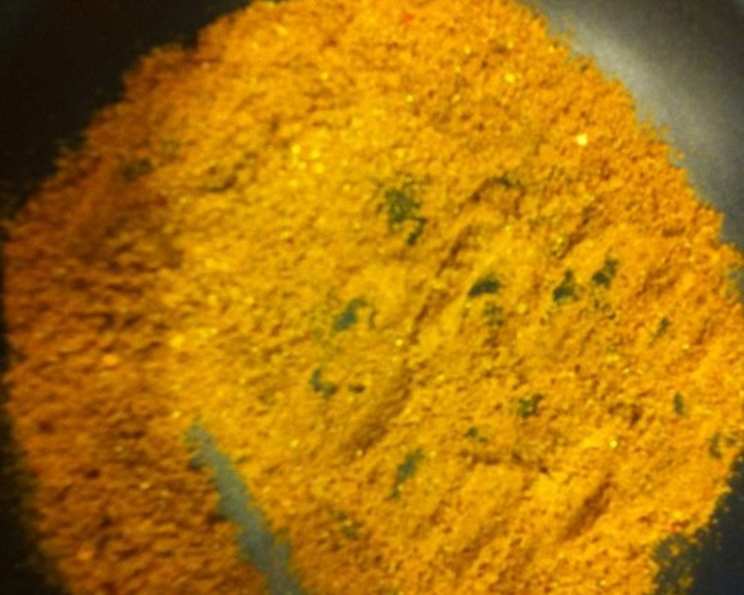
Garam Masala: A Chef’s Secret Weapon
The first time I truly understood the magic of garam masala was during a winter trip to Rajasthan. The air, crisp and cool, carried the intoxicating scent of spices roasting over open fires. Each family seemed to have their own unique blend, a closely guarded secret passed down through generations. I watched, mesmerized, as a grandmother carefully measured each ingredient, the aroma weaving its way into the very fabric of my being. That experience sparked a lifelong fascination with this warm, comforting spice blend, and I’ve been perfecting my own version ever since.
Recipe Overview
- Prep Time: 5 minutes
- Cook Time: 5-6 minutes
- Total Time: 10-11 minutes
- Yields: 3-4 Tablespoons
- Serves: Varies based on usage
- Dietary Type: Vegan, Gluten-Free, Dairy-Free
Ingredients
- 2 teaspoons cardamom seeds
- 4 teaspoons ground cumin
- 2 teaspoons ground turmeric
- 1 teaspoon dried chili pepper flakes
- ½ teaspoon peppercorns
- ¼ teaspoon cinnamon
Equipment Needed
- Food processor (nut and coffee grinder preferred)
- Small frying pan
- Air-tight container
Instructions
- Begin by grinding the cardamom seeds in a food processor, ideally a nut and coffee grinder, for about 15-20 seconds. The goal is to achieve a powder-like consistency.
- Add the ground cumin, ground turmeric, dried chili pepper flakes, and peppercorns to the food processor. Process for another 15-20 seconds to thoroughly combine all the spices.
- Transfer the mixture to a small frying pan. Place the pan over very low heat.
- Dry-roast the spices for 5-6 minutes, constantly stirring to prevent burning. The mixture should release a warm, fragrant aroma. Be careful not to overheat the spices; you want to toast them, not burn them.
- Remove the pan from the heat. Add the cinnamon and stir to incorporate.
- Allow the spice blend to cool completely in a dry place for a few minutes.
- Transfer the garam masala to an air-tight container and store in a cool, dark place until ready to use.
Expert Tips & Tricks
- Freshness is key: For the most vibrant flavor, start with fresh, whole spices whenever possible. If using pre-ground spices, check their expiration dates and consider toasting them briefly before grinding to reawaken their aromas.
- Toast with care: Dry-roasting is crucial for unlocking the full potential of the spices. Watch the pan carefully and stir frequently to prevent burning, which will result in a bitter taste. A low heat setting is your friend here.
- Customize the heat: Adjust the amount of dried chili pepper flakes to suit your preference. For a milder blend, reduce the amount or omit them altogether. You can also add a pinch of cayenne pepper for extra heat.
- Consider adding other spices: This recipe is a great base, but feel free to experiment with other spices like coriander seeds, cloves, bay leaves, or mace.
- Cool completely: Before storing, make sure the garam masala is completely cool. This prevents condensation from forming in the container, which can cause the spices to clump together.
Serving & Storage Suggestions
Garam masala is incredibly versatile and can be used to enhance a wide variety of dishes. Here are a few ideas:
- Add a pinch to curries, stews, and soups for a warm, aromatic finish. Stir it in during the last few minutes of cooking.
- Sprinkle it over roasted vegetables for a flavorful side dish.
- Use it as a dry rub for meats before grilling or roasting.
- Mix it into rice or lentils for added depth of flavor.
- Stir it into yogurt or raita for a refreshing dip.
Store your homemade garam masala in an air-tight container in a cool, dark place for up to 6 months. While it won’t spoil, the flavor will gradually diminish over time. It’s best to use it within a few months for optimal taste. Do not refrigerate.
Nutritional Information
| Nutrient | Amount per Serving (estimated) | % Daily Value* |
|---|---|---|
| Calories | 15-20 kcal | <1% |
| Total Fat | <1g | <1% |
| Saturated Fat | <1g | <1% |
| Cholesterol | 0mg | 0% |
| Sodium | 1-2mg | <1% |
| Total Carbohydrate | 2-3g | <1% |
| Dietary Fiber | 1-2g | 4-8% |
| Sugars | <1g | <1% |
| Protein | <1g | <1% |
*Percent Daily Values are based on a 2,000 calorie diet. Your daily values may be higher or lower depending on your calorie needs. Note: Nutritional information is an estimate and will vary based on specific ingredients used and serving sizes.
Variations & Substitutions
- Adjust the heat: Use different types of chili flakes for varying levels of spiciness. Kashmiri chili flakes will add a mild heat and vibrant color, while Thai chili flakes will pack a serious punch.
- Add warmth with ginger: Incorporate a small amount of ground ginger for a more pronounced warming effect.
- Experiment with regional spices: Depending on the region you’re inspired by, consider adding spices like amchur (dried mango powder) for a tangy flavor, or black cardamom for a smoky note.
- Make it a paste: Mix the garam masala with a little oil or water to create a flavorful paste that can be used as a marinade or added to sauces.
- Skip the grinder: If you don’t have a food processor, you can use a mortar and pestle to grind the spices, but it will require more time and effort.
FAQs (Frequently Asked Questions)
Q: What does “garam masala” mean?
A: “Garam masala” translates to “warm spice mixture” in Hindi. The spices are believed to warm the body according to Ayurvedic principles.
Q: Can I use this garam masala in any Indian dish?
A: While garam masala is a common ingredient in many Indian dishes, it’s important to consider the specific flavor profile of the dish. Some recipes may call for a different blend of spices or a different proportion of garam masala.
Q: How can I tell if my garam masala has gone bad?
A: Garam masala doesn’t spoil in the traditional sense, but it will lose its potency over time. If the aroma is weak or the flavor is dull, it’s time to make a new batch.
Q: Can I double or triple this recipe?
A: Absolutely! Just be sure to adjust the dry-roasting time accordingly to prevent burning.
Q: Is it important to dry-roast the spices?
A: Yes, dry-roasting is essential for unlocking the full flavor potential of the spices and removing any residual moisture. It also helps to blend the flavors together more harmoniously.
Final Thoughts
Crafting your own garam masala is a deeply rewarding experience. Not only does it allow you to control the quality and freshness of the ingredients, but it also gives you the opportunity to create a blend that perfectly suits your palate. So, gather your spices, fire up your food processor, and embark on a flavorful journey to the heart of Indian cuisine. I encourage you to experiment with different spice combinations and share your creations with friends and family. And don’t forget to let me know how your homemade garam masala turns out! Pair it with a rich vegetable curry or use it to season grilled chicken for a truly unforgettable meal.