
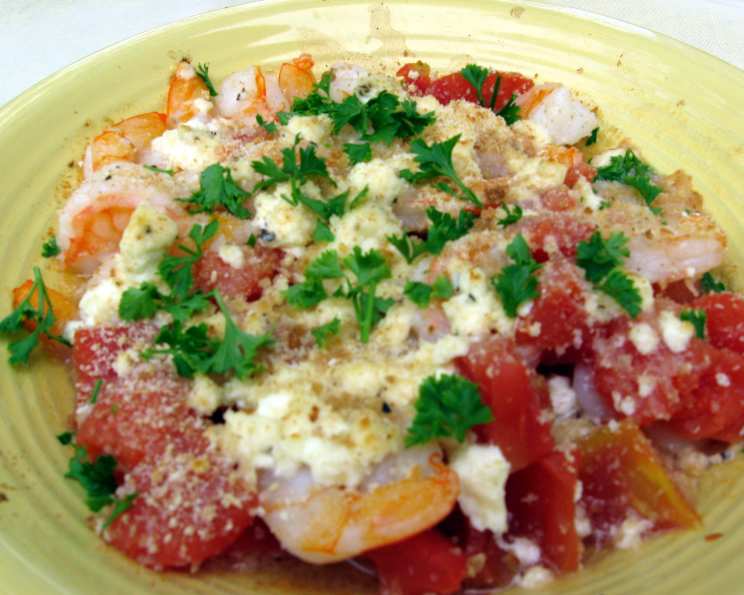
Garithes Santorini: A Taste of the Aegean in Every Bite
The first time I tasted Garithes Santorini, I was perched on a sun-drenched terrace overlooking the caldera. The air was thick with the scent of sea salt and blooming bougainvillea. The dish arrived, a bubbling terracotta skillet filled with plump shrimp, bright tomatoes, and fragrant herbs. One bite, and I was hooked. The sweet, briny shrimp, the tangy tomatoes, and the salty feta created a symphony of flavors that perfectly captured the essence of Santorini. It was more than just a meal; it was an experience, a memory etched in my culinary soul.
Recipe Overview
- Prep Time: 15 minutes
- Cook Time: 12-14 minutes
- Total Time: 27-29 minutes
- Servings: 4
- Dietary Type: Mediterranean
Ingredients
- 3 tablespoons breadcrumbs
- 2 teaspoons unsalted butter
- 1 1/2 tablespoons fresh dill, minced
- 1/4 cup feta cheese, crumbled
- 2 garlic cloves, minced
- 1 1/4 lbs large shrimp, peeled and deveined
- 3 tablespoons olive oil
- 1/8 teaspoon crushed red pepper flakes
- 1 1/4 lbs tomatoes, chopped and seeded
- 1/4 cup dry white wine
Equipment Needed
- Oven
- Ovenproof skillet (cast iron recommended)
- Measuring spoons and cups
- Knife
- Cutting board
Instructions
-
Begin by preheating your oven to 375°F (190°C). This ensures the dish cooks evenly and the flavors meld together beautifully.
-
In an ovenproof skillet (cast iron is ideal for even heat distribution), heat half of the olive oil (1 1/2 tablespoons) over medium heat.
-
Add the butter to the skillet along with the crushed red pepper flakes. The butter adds richness, and the red pepper provides a gentle warmth that complements the sweetness of the shrimp.
-
Sauté the shrimp, in batches if necessary, for 4-5 minutes, turning occasionally, until they turn pink and opaque. Overcrowding the pan will steam the shrimp instead of sautéing them, so working in batches is crucial for achieving that perfect sear. Remember, the shrimp will continue to cook in the oven, so don’t overcook them at this stage.
-
Stir in the white wine and garlic and boil for 3-4 minutes, allowing the wine to reduce slightly and the garlic to infuse the shrimp with its aromatic flavor. The wine adds acidity and depth to the sauce, creating a more complex flavor profile.
-
Once the liquid begins to thicken, stir in the chopped and seeded tomatoes and remove the skillet from the heat. Seeding the tomatoes prevents the dish from becoming too watery and ensures a more concentrated tomato flavor.
-
Sprinkle with fresh dill and crumbled feta cheese, distributing them evenly over the shrimp and tomato mixture. The dill adds a fresh, herbaceous note, while the feta provides a salty, tangy counterpoint to the sweetness of the tomatoes.
-
Cover the dish with breadcrumbs, creating a light, crispy topping. The breadcrumbs absorb some of the excess moisture and add a pleasant textural element.
-
Drizzle the remaining olive oil (1 1/2 tablespoons) over the breadcrumbs. This will help them brown beautifully in the broiler.
-
Broil the skillet 6 inches from the heat source for 3-4 minutes, or until the topping is golden brown and bubbly. Keep a close eye on the dish to prevent the breadcrumbs from burning. The bubbling sauce is a sign that the flavors have fully melded together.
Expert Tips & Tricks
- For an extra layer of flavor, try marinating the shrimp in a mixture of olive oil, lemon juice, and garlic for about 30 minutes before cooking.
- Don’t be afraid to experiment with different types of feta cheese. A good-quality Greek feta will provide the most authentic flavor, but you can also use a Bulgarian feta for a slightly tangier taste.
- If you don’t have an ovenproof skillet, you can transfer the shrimp mixture to a baking dish after adding the tomatoes.
- To prevent the breadcrumbs from burning under the broiler, you can tent the skillet with foil during the last minute or two of cooking.
- If you prefer a spicier dish, add a pinch more of crushed red pepper flakes or a dash of hot sauce.
- For a deeper tomato flavor, roast your tomatoes before chopping them.
Serving & Storage Suggestions
Garithes Santorini is best served hot, straight from the oven or broiler. Garnish with a sprig of fresh dill or a drizzle of extra olive oil for an elegant presentation. It pairs perfectly with crusty bread for soaking up the delicious sauce, or a simple Greek salad for a complete and satisfying meal.
Leftovers can be stored in an airtight container in the refrigerator for up to 2 days. To reheat, gently warm in a skillet over low heat, or bake in a preheated oven at 350°F (175°C) until heated through. Reheating in the microwave is not recommended, as it can make the shrimp tough and rubbery. While freezing is possible, the texture of the shrimp may be affected.
Nutritional Information
| Nutrient | Amount per Serving | % Daily Value |
|---|---|---|
| Calories | 364 kcal | N/A |
| Calories from Fat | 156 g | 43% |
| Total Fat | 17.4 g | 26% |
| Saturated Fat | 4.7 g | 23% |
| Cholesterol | 229.4 mg | 76% |
| Sodium | 401.5 mg | 16% |
| Total Carbohydrate | 15.8 g | 5% |
| Dietary Fiber | 2.2 g | 8% |
| Sugars | 4.9 g | 19% |
| Protein | 33 g | 66% |
Variations & Substitutions
- Gluten-Free: Use gluten-free breadcrumbs for a gluten-free version of this dish.
- Dairy-Free: Omit the feta cheese or substitute with a dairy-free feta alternative.
- Vegetarian: While not traditional, you could adapt this recipe using halloumi cheese in place of the shrimp for a vegetarian alternative. The salty, firm texture of halloumi works well with the other ingredients.
- Seasonal: In the winter, use canned diced tomatoes instead of fresh. During the summer, consider adding other seasonal vegetables like zucchini or bell peppers.
- Herbs: While dill is the classic herb for this dish, you can also use other fresh herbs like oregano, thyme, or parsley.
FAQs (Frequently Asked Questions)
Q: Can I use frozen shrimp for this recipe?
A: Yes, you can use frozen shrimp. Make sure to thaw them completely before cooking and pat them dry with paper towels to remove any excess moisture.
Q: What type of white wine is best for this recipe?
A: A dry white wine like Sauvignon Blanc, Pinot Grigio, or Assyrtiko (a Greek wine) works well. Avoid sweet wines, as they will overpower the other flavors.
Q: Can I prepare this dish ahead of time?
A: You can chop the tomatoes, mince the garlic, and measure out the other ingredients ahead of time. However, it’s best to cook the shrimp and assemble the dish just before serving for the best flavor and texture.
Q: How do I know when the shrimp are cooked through?
A: Shrimp are cooked through when they turn pink and opaque and curl into a C shape. Be careful not to overcook them, as they can become tough and rubbery.
Q: Can I add other vegetables to this dish?
A: Absolutely! Feel free to add other vegetables like bell peppers, zucchini, or onions to the skillet along with the tomatoes. Just be sure to adjust the cooking time accordingly.
Final Thoughts
Garithes Santorini is more than just a recipe; it’s a journey to the sun-kissed shores of Greece, a celebration of simple ingredients transformed into a culinary masterpiece. I encourage you to try this recipe and experience the magic for yourself. Don’t hesitate to share your creations and variations – I’d love to hear about your Santorini-inspired adventures in the kitchen! Pair it with a crisp glass of Assyrtiko and transport yourself to the Aegean, if only for a meal. Kali Orexi!