
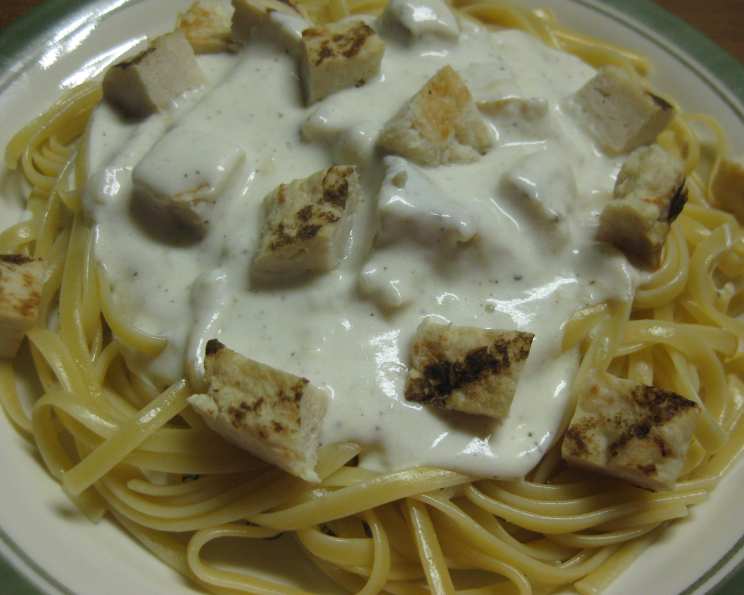
Creamy Dream: Mastering the Art of Garlic Alfredo Sauce
The first time I truly understood the magic of a good Alfredo sauce was during a particularly brutal Chicago winter. My tiny apartment, usually filled with light, felt perpetually grey. I was craving comfort, something warm and enveloping. I stumbled upon a small Italian deli, the aroma of garlic and simmering cream beckoning me inside. I ordered a simple fettuccine Alfredo, and that first bite – the rich, garlicky sauce clinging to the perfectly cooked pasta – was pure bliss. It was a culinary hug, a reminder that even the simplest ingredients, when treated with care, could create something extraordinary. From that moment on, I was on a quest to perfect my own version, and this recipe is the culmination of that journey.
Recipe Overview
- Prep Time: 5 minutes
- Cook Time: 25 minutes
- Total Time: 30 minutes
- Servings: 6
- Yield: About 4 cups of sauce
- Dietary Type: Vegetarian (Not Vegan or Gluten-Free)
Ingredients
- 2 tablespoons butter
- 2 tablespoons minced onions
- 2 teaspoons minced garlic
- 2 tablespoons all-purpose flour
- 3 cups half-and-half
- 1⁄2 teaspoon ground nutmeg
- 1⁄2 teaspoon salt
- 1⁄2 teaspoon ground black pepper
- 1 1⁄2 cups parmesan cheese, shredded (freshly grated is best!)
Equipment Needed
- Large saucepan
- Whisk
- Measuring spoons and cups
- Grater (for Parmesan, if using a block)
Instructions
-
In a large saucepan, melt the butter over medium-high heat. Use a heavy-bottomed saucepan for best results, as it will distribute heat more evenly and help prevent scorching.
-
Add the minced onions and minced garlic to the melted butter. Cook for about 4 minutes, stirring frequently. The goal is to soften the onions and garlic and release their aromatic oils without browning them. You want them to be tender and translucent.
-
Reduce the heat to medium-low. This is crucial for preventing the flour from burning in the next step.
-
Add the all-purpose flour to the saucepan. Cook, whisking constantly, for 2 minutes. This step is essential for creating a roux, which will thicken the sauce. Whisk vigorously to ensure there are no lumps, and cook until the flour is lightly toasted; it should have a slightly nutty aroma. Don’t skip this step, as it eliminates the raw flour taste!
-
Gradually add the half-and-half, whisking constantly. Adding it gradually and whisking continuously is essential to prevent lumps from forming. Start with a small amount of half-and-half, incorporating it completely into the roux before adding more. Continue until all the half-and-half is incorporated.
-
Continue to cook the sauce, whisking constantly, for 8-10 minutes, or just until the mixture comes to a boil. Be patient during this step. The sauce will gradually thicken. Keep whisking to prevent sticking and burning. You’ll know it’s ready when it coats the back of a spoon and leaves a clear line when you run your finger through it. Watch closely, as it can go from perfectly thickened to separated very quickly.
-
Remove the saucepan from the heat. This is important to prevent the cheese from clumping.
-
Stir in the ground nutmeg, salt, and ground black pepper. Adjust the seasoning to your liking. A pinch more salt or a grind of fresh pepper can make a big difference.
-
Add the shredded Parmesan cheese, stirring until it is melted and the sauce is smooth. Add the cheese in batches, stirring until each batch is fully incorporated before adding the next. This helps the cheese melt evenly and prevents it from clumping. If the cheese doesn’t melt smoothly, a small splash of the half-and-half will help bring it together.
-
Serve immediately with your favorite pasta, vegetables, chicken, or seafood.
Expert Tips & Tricks
-
Freshly Grated Parmesan: Using freshly grated Parmesan cheese is always preferable. Pre-shredded cheese often contains cellulose, which can prevent it from melting smoothly.
-
Warm the Half-and-Half: Warming the half-and-half slightly before adding it to the roux can help prevent the sauce from curdling.
-
Avoid Overcooking: Overcooking the sauce can cause the cheese to separate and become grainy. Remove from heat as soon as the cheese is melted and the sauce is smooth.
-
Flavor Boost: For an extra depth of flavor, try adding a pinch of red pepper flakes or a squeeze of lemon juice to the finished sauce.
-
Make-Ahead Prep: You can mince the onions and garlic ahead of time to save time during cooking. You can also shred the Parmesan cheese in advance.
Serving & Storage Suggestions
Serve your Garlic Alfredo sauce immediately over freshly cooked pasta. It’s also delicious with roasted vegetables, grilled chicken, or sautéed shrimp. Garnish with a sprinkle of fresh parsley or a grind of black pepper for an elegant presentation.
Leftover Alfredo sauce can be stored in an airtight container in the refrigerator for up to 3 days. To reheat, gently warm it in a saucepan over low heat, stirring frequently. You may need to add a splash of half-and-half to restore its creamy consistency. It does not freeze well as the sauce tends to separate upon thawing.
Nutritional Information
| Nutrient | Amount per Serving | % Daily Value |
|---|---|---|
| Calories | 312 kcal | N/A |
| Calories from Fat | N/A | 72% |
| Total Fat | 25g | 38% |
| Saturated Fat | 15.5g | 77% |
| Cholesterol | 77mg | 25% |
| Sodium | 659.9mg | 27% |
| Total Carbohydrate | 9g | 2% |
| Dietary Fiber | 0.2g | 0% |
| Sugars | 0.6g | 2% |
| Protein | 13.6g | 27% |
Variations & Substitutions
-
Gluten-Free Alfredo: Use a gluten-free all-purpose flour blend instead of regular flour.
-
Dairy-Free Alfredo: Substitute the butter with olive oil or a vegan butter alternative. Replace the half-and-half with cashew cream or a blend of coconut milk and unsweetened almond milk. Use nutritional yeast instead of Parmesan cheese for a cheesy flavor.
-
Spicy Alfredo: Add a pinch of red pepper flakes or a dash of hot sauce to the sauce for a spicy kick.
-
Herbaceous Alfredo: Stir in chopped fresh herbs such as parsley, basil, or oregano at the end of cooking.
-
Mushroom Alfredo: Sauté sliced mushrooms in butter before adding the onions and garlic.
FAQs (Frequently Asked Questions)
Q: Can I use heavy cream instead of half-and-half?
A: Yes, you can substitute heavy cream for half-and-half. The sauce will be richer and thicker. You may need to add a little milk to thin it out if it becomes too thick.
Q: What if my sauce is too thick?
A: Gradually add small amounts of milk or half-and-half, stirring until you reach the desired consistency.
Q: Why is my cheese clumping?
A: Make sure you remove the saucepan from the heat before adding the cheese and that the cheese is freshly grated. Also, add the cheese gradually, stirring constantly until melted.
Q: Can I make this sauce ahead of time?
A: You can make the sauce ahead of time, but it’s best served immediately. If you do make it in advance, store it in the refrigerator and reheat gently over low heat, adding a splash of milk or half-and-half to restore its creamy consistency.
Q: What kind of pasta is best with Alfredo sauce?
A: Fettuccine is the classic choice, but other long pasta shapes like linguine or spaghetti work well too. You can also use short pasta shapes like penne or rotini.
Final Thoughts
There’s something deeply satisfying about creating a restaurant-quality Alfredo sauce in your own kitchen. It’s a dish that’s both comforting and elegant, perfect for a weeknight dinner or a special occasion. I encourage you to try this recipe and make it your own. Experiment with different variations, adjust the seasoning to your liking, and don’t be afraid to add your own personal touch. And if you’re feeling adventurous, pair it with a crisp, dry white wine like Pinot Grigio for a truly unforgettable meal. Bon appétit!