
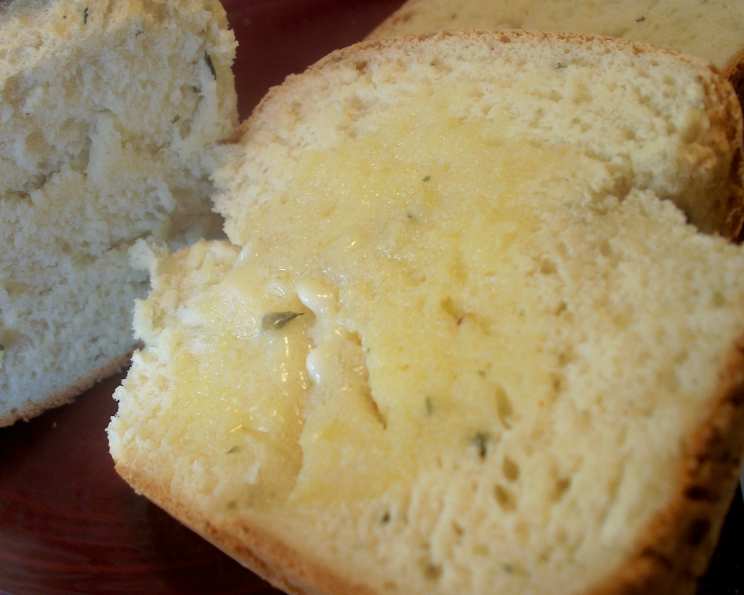
Homemade Garlic Bread Loaf: A Flavorful Journey
The aroma still takes me back – Saturday afternoons in my grandmother’s kitchen, a symphony of Italian spices mingling in the air. While her legendary lasagna simmered, a crusty loaf, slathered generously with garlic butter and herbs, baked in the oven. The anticipation was palpable, and that first warm, garlicky bite was pure, unadulterated bliss. This recipe captures that same comforting magic, bringing a touch of nostalgia to your table.
Recipe Overview
- Prep Time: 3 hours
- Cook Time: 5 minutes
- Total Time: 3 hours 5 minutes
- Servings: Varies based on slice thickness
- Yield: 1 Loaf
- Dietary Type: Vegetarian (easily adaptable to vegan – see variations)
Ingredients
- ¾ cup water
- 2 cups white bread flour
- 1 teaspoon white bread flour (Note: the recipe explicitly lists this twice, so it is included here to maintain accuracy)
- 1 teaspoon sugar
- ½ teaspoon salt
- ½ teaspoon butter or ½ teaspoon margarine
- 2 teaspoons grated fresh Parmesan cheese
- ½ teaspoon sweet basil
- ½ teaspoon garlic powder
- ½ teaspoon garlic paste
- ¾ teaspoon fast rise yeast or 1 ½ teaspoons active dry yeast
Equipment Needed
- Bread Maker
Instructions
- Begin by carefully measuring all ingredients. Accuracy is key to a perfect loaf!
- Place all ingredients into your bread maker in the exact order listed: water, then white bread flour, then white bread flour (yes, again!), then sugar, salt, butter (or margarine), Parmesan cheese, sweet basil, garlic powder, garlic paste, and finally fast rise yeast (or active dry yeast).
- Select your bread maker’s setting for a regular or rapid bake cycle. The rapid bake cycle will decrease the total baking time, but may result in a slightly denser loaf. A regular bake cycle provides a more even rise and a lighter, airier texture.
- Once the bake cycle is complete, carefully remove the loaf from the bread maker. Allow it to cool slightly before slicing and serving.
Expert Tips & Tricks
- Flavor Boost: For a more intense garlic flavor, try roasting a whole head of garlic and mashing it into the butter before adding it to the dough. The sweetness from the roasted garlic is an amazing complement.
- Cheese Variation: Experiment with different cheeses! Asiago, Romano, or even a blend of Italian cheeses can add a wonderful depth of flavor. Add the cheese during the last kneading stage to ensure it doesn’t burn.
- Herbs: Fresh herbs always elevate the flavor. If you have fresh basil or parsley on hand, finely chop them and add them to the dough. A teaspoon of dried Italian seasoning blend also works well.
- Salt Control: Taste is subjective, so adjust salt content accordingly. If you are sensitive to sodium, reduce the salt by 1/4 teaspoon.
- Yeast Activation: If using active dry yeast instead of fast-rise, it’s best to proof it in warm water (about 100-110°F) with a pinch of sugar for 5-10 minutes before adding it to the bread maker. This ensures the yeast is active and ready to leaven the bread.
- Bread Maker Placement: Where you place your bread maker can impact the rising time. Avoid drafty areas or placing it directly next to a cold window.
- Crust Color Control: If you find your crust is getting too dark during the baking process, you can lightly tent the top of the bread maker with foil.
Serving & Storage Suggestions
This garlic bread is best served warm, straight from the bread maker. Slice it thickly or thinly, depending on your preference. It’s a perfect accompaniment to pasta dishes, soups, salads, or simply enjoyed on its own.
To store leftover garlic bread, wrap it tightly in plastic wrap or place it in an airtight container. It will keep at room temperature for 1-2 days, in the refrigerator for up to a week, or in the freezer for up to 2 months. To reheat, wrap individual slices in foil and bake in a preheated oven at 350°F (175°C) for 5-10 minutes, or until warmed through. You can also microwave slices for 15-30 seconds, but be careful not to overheat them, as they can become tough.
Nutritional Information
| Nutrient | Amount per Serving (estimated) | % Daily Value (estimated) |
|---|---|---|
| Calories | 985.8 | N/A |
| Calories from Fat | 51g | 5% |
| Total Fat | 5.7 g | 8% |
| Saturated Fat | 2.3 g | 11% |
| Cholesterol | 8.7 mg | 2% |
| Sodium | 1249.7 mg | 52% |
| Total Carbohydrate | 199.8 g | 66% |
| Dietary Fiber | 7.6 g | 30% |
| Sugars | 5.3 g | 21% |
| Protein | 29.2 g | 58% |
Note: Nutritional information is an estimate and may vary depending on specific ingredients and serving sizes.
Variations & Substitutions
- Vegan Garlic Bread: Substitute the butter with a vegan butter alternative. Nutritional yeast can be used in place of Parmesan cheese for a cheesy flavor. Ensure your sugar is vegan as some brands use bone char in the refining process.
- Gluten-Free Garlic Bread: While this recipe isn’t inherently gluten-free, you can use a gluten-free bread mix specifically designed for bread makers, and then add the garlic, basil and Parmesan.
- Spicy Garlic Bread: Add a pinch of red pepper flakes or a dash of cayenne pepper to the dough for a subtle kick.
- Herb Garden Garlic Bread: Use a combination of fresh herbs like rosemary, thyme, and oregano for a more complex flavor profile.
- Cheese-Stuffed Garlic Bread: Before baking, create a small pocket in the top of the dough and stuff it with mozzarella or provolone cheese. The melted cheese will create a delicious surprise when you slice the bread.
FAQs (Frequently Asked Questions)
Q: Can I use olive oil instead of butter?
A: Yes, you can substitute olive oil for butter in this recipe. Use an equal amount of olive oil for a slightly different flavor profile.
Q: Can I freeze the dough before baking?
A: It’s not recommended to freeze the dough after it has already risen, as it may affect the texture. If you want to freeze, freeze the baked loaf instead.
Q: My bread came out too dense. What did I do wrong?
A: This can happen if your yeast is old or inactive, or if you used too much flour. Make sure your yeast is fresh and measure the flour accurately.
Q: Can I make this without a bread maker?
A: While this recipe is designed for a bread maker, you can adapt it for baking in a conventional oven. The process would require kneading the dough, allowing it to rise, and then baking in a preheated oven.
Q: How do I prevent the garlic from burning?
A: Adding the garlic paste and powder later in the mixing process can help prevent it from burning. You can also tent the loaf with foil if it’s browning too quickly.
Final Thoughts
There’s nothing quite like the simple pleasure of homemade garlic bread. This recipe, adapted for the convenience of a bread maker, delivers a consistently delicious and aromatic loaf every time. Don’t be afraid to experiment with different herbs, cheeses, and spices to create your own signature version. Share your creations with friends and family, and enjoy the warmth and comfort that this classic bread brings to the table. Bon appétit!