
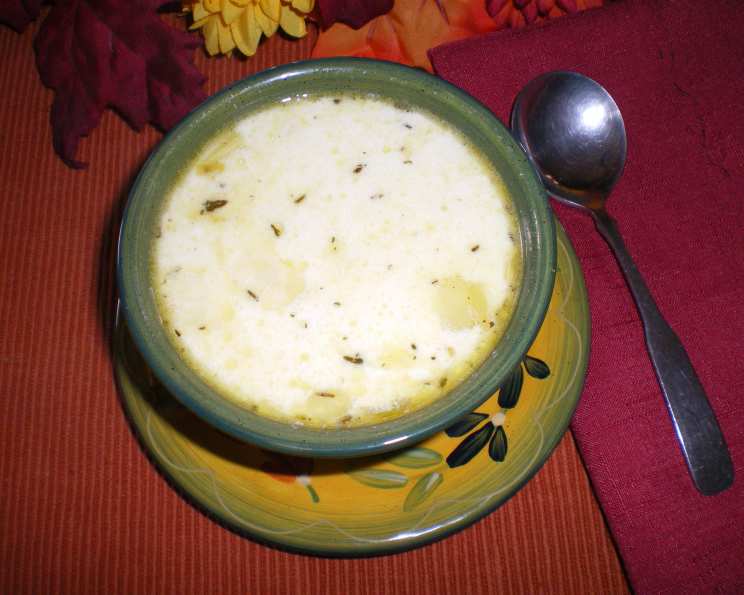
Garlic Chowder: A Culinary Hug in a Bowl
The aroma of garlic, slowly caramelizing in olive oil, always transports me back to my grandmother’s kitchen. She wasn’t one for fancy ingredients, but she knew how to coax the most incredible flavors out of simple staples. While her famous garlic bread was the star, it was the occasional garlic-infused soup, simmered on a chilly afternoon, that truly warmed the soul. This Garlic Chowder, with its creamy richness and subtle sweetness, evokes that same feeling of comfort and home.
Recipe Overview
- Prep Time: 20 minutes
- Cook Time: 35 minutes
- Total Time: 55 minutes
- Servings: 10
- Yield: About 12 cups
- Dietary Type: Not Vegetarian
Ingredients
- 2 ounces olive oil
- 2 medium onions, diced
- 1/2 head celery, diced
- 1 bunch fresh leek, cleaned and chopped
- 5 roasted garlic cloves
- 2 tablespoons fresh thyme
- 3 medium potatoes, peeled and diced
- 6 cups chicken stock
- Salt to taste
- White pepper to taste
- 1 quart heavy cream
- 1/2 cup chopped fresh parsley
Equipment Needed
- Large pot or Dutch oven
- Roasting pan (for garlic)
- Small bowl
Instructions
- First, roast the garlic. If you haven’t roasted garlic before, simply slice off the top of a whole garlic bulb, drizzle with olive oil, wrap in foil, and roast at 400°F (200°C) for about 45 minutes, or until the cloves are soft and easily squeezed out. Allow to cool slightly, then squeeze the softened garlic cloves into a small bowl.
- In a large pot or Dutch oven, heat the olive oil over medium heat.
- Add the diced onions and sauté until softened, about 5 minutes. Don’t let them brown too much; you want them to be sweet and translucent.
- Add the diced celery and chopped leeks to the pot. Sauté for another 5 minutes, stirring occasionally, until they begin to soften. The leeks will impart a lovely, subtle oniony flavor. Make sure the leeks are cleaned thoroughly before chopping, as they tend to trap dirt between their layers.
- Now, add the roasted and squeezed garlic cloves to the pot, along with the fresh thyme, diced potatoes, and chicken stock. Stir well to combine all the ingredients.
- Bring the mixture to a simmer. Once simmering, reduce the heat to low, cover the pot, and cook until the potatoes are tender, about 30 minutes. You should be able to easily pierce them with a fork. This slow simmering allows the flavors to meld beautifully.
- Season the chowder with salt and white pepper to taste. Start with a teaspoon of salt and a quarter teaspoon of white pepper, and then adjust as needed. White pepper adds a subtle heat without the visual specks of black pepper.
- Stir in the heavy cream and chopped fresh parsley. Cook until just heated through (“combined”), but do not boil. Boiling the cream can cause it to curdle. The parsley adds a fresh, bright note to the rich chowder.
- Remove the pot from the heat and stir gently. The chowder is now ready to serve.
Expert Tips & Tricks
- Roasting the Garlic: Don’t skip the roasting step! Roasting the garlic mellows its flavor and brings out its sweetness, making it perfect for this chowder. If you’re short on time, you can use pre-roasted garlic, but freshly roasted is always best.
- Building Flavor: Sautéing the onions, celery, and leeks slowly is key to building a flavorful base. Don’t rush this step.
- Adjusting Consistency: If you prefer a thicker chowder, you can mash some of the potatoes with a potato masher or immersion blender before adding the cream. If you want a thinner chowder, add a little more chicken stock.
- Make-Ahead Prep: You can roast the garlic and chop the vegetables a day ahead of time to save time on the day you plan to serve the chowder.
- Don’t Overcook the Cream: Be careful not to boil the cream after adding it to the chowder. Overcooking can cause the cream to separate or curdle, resulting in a grainy texture. Gently heat the chowder until it is warmed through.
Serving & Storage Suggestions
Serve the Garlic Chowder hot, garnished with a sprinkle of fresh parsley and a drizzle of olive oil. A crusty loaf of bread is perfect for dipping.
Leftover chowder can be stored in an airtight container in the refrigerator for up to 3 days. To reheat, gently warm the chowder over low heat on the stovetop, stirring occasionally. Avoid boiling the chowder, as this can cause the cream to separate. You can also reheat the chowder in the microwave, but be sure to use a microwave-safe container and heat in short intervals, stirring in between, to prevent splattering. While freezing is possible, the texture of the cream may change upon thawing, so it’s best enjoyed fresh or refrigerated.
Nutritional Information
| Nutrient | Amount per Serving | % Daily Value |
|---|---|---|
| Calories | 496 kcal | N/A |
| Total Fat | 42.8 g | 65% |
| Saturated Fat | 23.2 g | 116% |
| Cholesterol | 134.7 mg | 44% |
| Sodium | 267.9 mg | 11% |
| Total Carbohydrate | 22.6 g | 7% |
| Dietary Fiber | 2.3 g | 9% |
| Sugars | 4.3 g | N/A |
| Protein | 7.5 g | 14% |
Note: Nutritional information is an estimate and may vary based on specific ingredients and portion sizes.
Variations & Substitutions
- Vegetarian Version: Substitute vegetable broth for the chicken stock to make this a vegetarian chowder.
- Dairy-Free Version: Replace the heavy cream with full-fat coconut milk or a cashew cream for a dairy-free option. Be aware that this will alter the flavor slightly.
- Spicy Kick: Add a pinch of red pepper flakes or a dash of hot sauce to the chowder for a spicy kick.
- Add Bacon: Cook some bacon until crispy, then crumble it over the top of the chowder before serving. The smoky bacon adds a delicious layer of flavor.
- Different Herbs: Experiment with different herbs, such as rosemary or chives, in place of or in addition to the thyme and parsley.
FAQs (Frequently Asked Questions)
Q: Can I use pre-minced garlic instead of roasting my own?
A: While you can, I highly recommend roasting your own garlic. Roasting brings out a sweetness and mellows the flavor that you won’t get with pre-minced garlic.
Q: Can I make this chowder ahead of time?
A: Yes, you can! The flavors actually meld together even more when the chowder sits overnight. Just be sure to store it in an airtight container in the refrigerator and reheat gently.
Q: Can I freeze this chowder?
A: While you can freeze it, the texture of the cream may change upon thawing. It’s best enjoyed fresh or refrigerated. If you do freeze it, thaw it slowly in the refrigerator and reheat gently, stirring frequently.
Q: What can I serve with this chowder?
A: A crusty loaf of bread is perfect for dipping. You could also serve it with a side salad or grilled cheese sandwich.
Q: How do I prevent the cream from curdling?
A: The most important thing is to not boil the chowder after adding the cream. Gently heat it through over low heat, stirring frequently.
Final Thoughts
This Garlic Chowder is more than just a soup; it’s an experience. It’s the kind of dish that warms you from the inside out and brings people together. Whether you’re a seasoned chef or a beginner in the kitchen, I encourage you to give this recipe a try. Don’t be afraid to experiment with different variations and substitutions to make it your own. And most importantly, enjoy the process! I’d love to hear your feedback and see your creations. Bon appétit!