
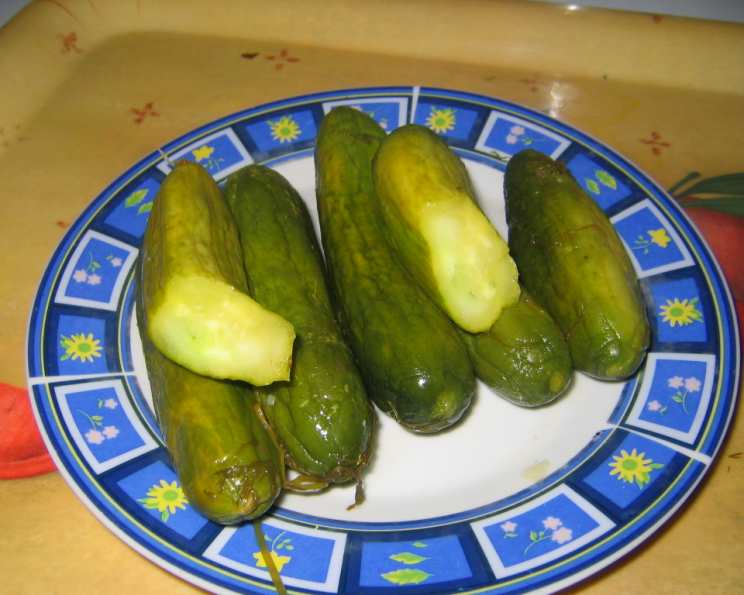
Garlic & Dill Pickled Cucumbers (Gherkins)
The scent of dill and garlic always takes me back to my grandmother’s garden. She had rows and rows of cucumbers, and every summer, the kitchen would transform into a pickling haven. The slightly sharp aroma of vinegar mingling with the pungent garlic and fresh dill was a constant, and I loved helping her pack the crisp, perfectly sized cucumbers into jars, knowing that those flavors would brighten up sandwiches and snacks for months to come. This recipe is a tribute to those summer days, a simple yet incredibly flavorful way to preserve the taste of sunshine and garden bounty.
Recipe Overview
- Prep Time: 20 minutes
- Cook Time: 5 minutes
- Total Time: 12 hours 25 minutes
- Servings: 30
- Yield: Varies depending on cucumber size
- Dietary Type: Vegan, Gluten-Free
Ingredients
- 1 kg small cucumbers, up to 5 inches long
- ¼ kg sea salt
- ½ head garlic
- 2-3 bunches dill
- 2 teaspoons coriander seeds
- ½ cup vinegar
- 2 cups water
Equipment Needed
- Large plastic bowl
- Saucepan
- Silver fork
- Jars for pickling
Instructions
- Begin by meticulously washing the small cucumbers. This is a crucial step to remove any dirt or debris that might affect the flavor and quality of the final product.
- Next, using a silver fork, prick each cucumber several times. This allows the salt to penetrate the cucumbers more effectively, drawing out moisture and ensuring a crispier pickle.
- In a large plastic bowl, create a layering system. Place a layer of the pricked cucumbers at the bottom.
- Sprinkle generously with sea salt, ensuring that all cucumbers are thoroughly covered. Repeat these layers until all cucumbers are arranged and coated with salt.
- Let the cucumbers sit in the salt for approximately 4 hours. During this time, the salt will dehydrate the cucumbers, drawing out excess water. This process is essential for achieving that characteristic pickle crunch.
- While the cucumbers are dehydrating, prepare the pickling brine. In a saucepan, combine the vinegar and water.
- Place the saucepan on low heat.
- Thinly slice the garlic and add it to the vinegar-water solution.
- Add the dill (if fresh dill is unavailable, dill seed can be used) and the coriander seeds to the saucepan as well.
- Simmer the mixture for 5 minutes. This allows the flavors to meld together, creating a fragrant and flavorful brine.
- Remove the saucepan from the heat and allow the brine to cool slightly.
- After the 4 hours have passed, the cucumbers will be saturated with water that has been drawn out by the salt.
- Thoroughly wash the cucumbers 3 times in fresh water to remove the excess salt. This is a critical step to prevent the pickles from being overly salty.
- After washing, shake the cucumbers dry to remove as much excess water as possible.
- Now, gently add the washed cucumbers to the prepared vinegar mixture.
- Ensure the cucumbers are fully submerged in the brine.
- Allow the dehydrated cucumbers to absorb the wonderful dill and garlic flavor. Believe it or not, they are ready to eat the next day!
Expert Tips & Tricks
- Salt Quality: Using a good quality sea salt is vital. Avoid iodized salt, as it can sometimes impart a metallic taste to the pickles.
- Brine Adjustments: Taste the brine before adding the cucumbers. If you prefer a sweeter pickle, you can add a tablespoon or two of sugar to the brine while simmering. If you like a spicier pickle, consider adding a pinch of red pepper flakes.
- Jar Sterilization: While this recipe doesn’t explicitly call for canning, if you intend to store the pickles for an extended period, it’s best to sterilize your jars and lids beforehand. This will help prevent spoilage.
- Cucumber Size Matters: Smaller cucumbers tend to yield the best texture. Larger cucumbers can become mushy in the pickling process. Look for cucumbers that are firm and without blemishes.
- Dill Variety: If you can, use dill heads with flowers for a more intense dill flavor.
Serving & Storage Suggestions
These garlic and dill pickled cucumbers are a versatile addition to any meal. Serve them as a refreshing side dish, a crunchy addition to sandwiches and burgers, or as a flavorful snack straight from the jar.
To store, keep the pickles in their brine in an airtight container in the refrigerator. They will last for several weeks, but their crispness may diminish over time. They are best enjoyed within the first week. Due to the salting and vinegar, they don’t freeze well. As these aren’t processed in a hot water bath, they need to be stored in the refrigerator.
Nutritional Information
| Nutrient | Amount per Serving | % Daily Value |
|---|---|---|
| Calories | 7.6 kcal | N/A |
| Calories from Fat | 0 | N/A |
| Total Fat | 0.1 g | 0% |
| Saturated Fat | 0 g | 0% |
| Cholesterol | 0 mg | 0% |
| Sodium | 3231.2 mg | 134% |
| Total Carbohydrate | 1.6 g | 0% |
| Dietary Fiber | 0.2 g | 0% |
| Sugars | 0.6 g | 2% |
| Protein | 0.3 g | 0% |
Variations & Substitutions
- Spicy Pickles: Add a pinch of red pepper flakes or a sliced jalapeño to the brine for a spicy kick.
- Sweet Pickles: Increase the amount of vinegar slightly and add 1/4 cup of sugar to the brine.
- Other Herbs: Experiment with other herbs like mustard seeds, bay leaves, or black peppercorns for a unique flavor profile.
- Vegetable Medley: Pickle other vegetables along with the cucumbers, such as carrots, green beans, or cauliflower florets.
FAQs (Frequently Asked Questions):
Q: Can I use regular table salt instead of sea salt?
A: While you can, sea salt is preferred as it doesn’t contain iodine, which can sometimes impart a metallic taste to the pickles.
Q: Do I have to prick the cucumbers with a fork?
A: Yes, pricking the cucumbers allows the salt and brine to penetrate more effectively, resulting in a crispier pickle.
Q: How long do the pickles need to sit in the brine before they are ready to eat?
A: While they are technically edible the next day, the flavor improves with time. Letting them sit for 2-3 days will result in a more pronounced dill and garlic flavor.
Q: Can I use dried dill instead of fresh dill?
A: Fresh dill is highly recommended for the best flavor, but if unavailable, you can use dill seed. However, the flavor won’t be quite as intense.
Q: What if my pickles are too salty?
A: Ensure you wash the cucumbers thoroughly after the salting process. If they are still too salty, you can soak them in fresh water for a few hours before adding them to the brine.
Final Thoughts
This recipe for Garlic & Dill Pickled Cucumbers is more than just a set of instructions; it’s an invitation to create a taste of home, a connection to simple pleasures, and a delicious way to preserve the season’s bounty. Don’t be afraid to experiment with the recipe and make it your own. Share your creations with friends and family, and let them experience the joy of homemade pickles. Pair these crunchy delights with your favorite sandwiches, salads, or simply enjoy them straight from the jar. Happy pickling!