
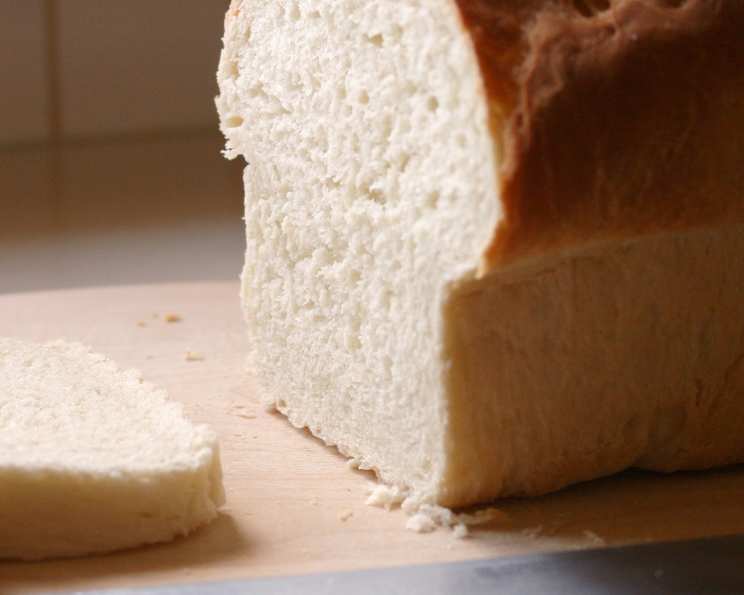
Garlic Parmesan Bread (ABM): A Symphony of Flavor
I still remember the aroma that would fill our tiny apartment every Sunday. My mom, a wizard with the bread machine, would whip up the most incredible garlic parmesan bread. The cheesy, garlicky scent was pure comfort, a beacon calling us to the table for family dinner. It wasn’t just bread; it was a symbol of togetherness, a warm, delicious hug in loaf form that made even the dreariest winter day feel a little brighter. Now, I carry on that tradition, and I’m thrilled to share that experience with you.
Recipe Overview
- Prep Time: 15 minutes
- Cook Time: 3 hours 10 minutes
- Total Time: 3 hours 25 minutes
- Yields: 1 1/2 lb. loaf
- Dietary Type: Vegetarian
Ingredients
- 1 cup water
- 2 1/2 tablespoons butter, unsalted
- 1 tablespoon honey
- 2/3 cup parmesan cheese, grated
- 3/4 teaspoon salt
- 1 1/2 teaspoons garlic powder (or to taste)
- 3 cups bread flour
- 2 1/2 teaspoons yeast
Equipment Needed
- Bread machine
Instructions
- Ensure your bread machine pan is clean and dry.
- Place all ingredients into the bread machine pan in the order listed. This is crucial for proper mixing and yeast activation. Start with the water, followed by the unsalted butter, then the honey.
- Add the grated parmesan cheese, salt, and garlic powder. Make sure the garlic powder is fresh for the best flavor; old garlic powder can become bitter. Freshly grated parmesan is recommended for optimal taste and texture, as pre-shredded cheese often contains cellulose which can affect the bread’s rise and texture.
- Add the bread flour on top of the wet ingredients, creating a barrier. This helps prevent the yeast from immediately activating and potentially interfering with the initial mixing.
- Create a small well on top of the bread flour and add the yeast into the well. This ensures the yeast doesn’t come into direct contact with the water or salt until the machine begins mixing, promoting proper activation.
- Close the bread machine and select the appropriate settings: White Basic and Medium Crust.
- Start the bread machine and let it run its course. The machine will mix, knead, allow the dough to rise, and then bake the loaf. The entire process takes approximately 3 hours and 10 minutes.
- Once the bread machine cycle is complete, carefully remove the bread pan from the machine. Use oven mitts, as the pan will be hot.
- Turn the bread pan upside down and gently shake or tap it to release the loaf. If the loaf is stuck, use a non-stick spatula or knife to loosen it from the sides of the pan.
- Immediately brush the top of the hot bread lightly with melted butter. This adds a glossy finish and enhances the flavor.
- Place the loaf on a wire rack to cool slightly before slicing and serving. Cooling prevents the bread from becoming gummy when cut.
Expert Tips & Tricks
- Cheese Matters: Using high-quality, freshly grated Parmesan cheese makes a huge difference in the overall flavor. Avoid pre-shredded cheese as it often contains cellulose, which can inhibit rising.
- Garlic Boost: For an extra garlicky punch, consider adding a clove of minced garlic to the bread machine along with the garlic powder. Adjust the amount to your preference. You could even use roasted garlic for a more mellow, sweet garlic flavor.
- Butter Bliss: Instead of just brushing with butter after baking, you can melt a small amount of butter with garlic powder and brush it on halfway through the baking cycle. This will infuse the crust with even more garlic flavor.
- Dough Watch: While bread machines are mostly hands-off, peeking at the dough during the kneading phase can be helpful. If the dough seems too wet, add a tablespoon of flour at a time. If it’s too dry, add a teaspoon of water.
- Crust Control: If you prefer a softer crust, remove the loaf from the bread machine a few minutes before the cycle is complete. For a crispier crust, leave it in for a few extra minutes.
Serving & Storage Suggestions
Serve your freshly baked garlic parmesan bread warm or at room temperature. It’s delicious on its own, with soups and salads, or as an accompaniment to pasta dishes. To elevate the serving, slice the bread and arrange it on a platter drizzled with olive oil and sprinkled with fresh herbs like parsley or basil.
Storage:
- Room Temperature: Store leftover bread in an airtight container or resealable bag at room temperature for up to 2 days.
- Refrigerator: For longer storage, keep the bread in an airtight container in the refrigerator for up to 5 days.
- Freezer: To freeze, wrap the loaf tightly in plastic wrap and then place it in a freezer-safe bag. It can be stored in the freezer for up to 2 months.
Reheating:
- Oven: To reheat the entire loaf, wrap it in foil and bake at 350°F (175°C) for 10-15 minutes, or until warmed through.
- Slices: Reheat individual slices in a toaster oven or under the broiler until heated and slightly crisp.
Nutritional Information
| Nutrient | Amount per Serving | % Daily Value |
|---|---|---|
| Calories | 224 kcal | 11% |
| Total Fat | 7.7g | 12% |
| Saturated Fat | 4.5g | 23% |
| Cholesterol | 20mg | 7% |
| Sodium | 450mg | 19% |
| Total Carbohydrate | 39g | 13% |
| Dietary Fiber | 2g | 8% |
| Sugars | 2.8g | – |
| Protein | 10.3g | 21% |
Nutritional information is an estimate and may vary based on specific ingredients used.
Variations & Substitutions
- Spicy Kick: Add a pinch of red pepper flakes to the dough for a subtle heat.
- Herb Infusion: Incorporate dried herbs like oregano, thyme, or rosemary for a more complex flavor profile.
- Gluten-Free: Use a gluten-free bread flour blend designed for bread machines. Be sure to add xanthan gum, as indicated on the flour package, to help with the bread’s structure.
- Vegan Option: Substitute the butter with vegan butter or a neutral-tasting oil. Replace the honey with maple syrup or agave nectar. Use a plant-based parmesan cheese alternative.
FAQs (Frequently Asked Questions)
Q: Why did my bread not rise properly?
A: The most common reason for bread not rising is inactive yeast. Make sure your yeast is fresh and hasn’t expired. Also, ensure that the water is not too hot, as this can kill the yeast.
Q: Can I use all-purpose flour instead of bread flour?
A: Bread flour is recommended because it has a higher protein content, which helps develop gluten and gives the bread a better structure. However, you can use all-purpose flour in a pinch. The bread may be slightly less chewy.
Q: How do I prevent the bread from sticking to the pan?
A: Make sure the bread machine pan is properly greased or coated with a non-stick spray before adding the ingredients. You can also try lining the bottom of the pan with parchment paper.
Q: Can I add fresh garlic instead of garlic powder?
A: Yes, you can add fresh garlic, but it’s best to mince it very finely or even roast it beforehand to mellow the flavor. Use about 1-2 cloves, depending on your preference.
Q: What if my crust is too dark?
A: If your crust is getting too dark, you can try covering the loaf with foil during the last 15-20 minutes of baking. This will prevent it from browning further.
Final Thoughts
This garlic parmesan bread recipe, brought to life by the humble bread machine, is more than just a recipe—it’s an invitation to create memories. The warm, inviting aroma and the delightful flavor are sure to bring smiles to your table. So, gather your ingredients, dust off your bread machine, and embark on this culinary adventure. Don’t be afraid to experiment with variations, and most importantly, share your creations with loved ones. I can’t wait to hear about your experiences and the delicious moments this bread brings to your home!