
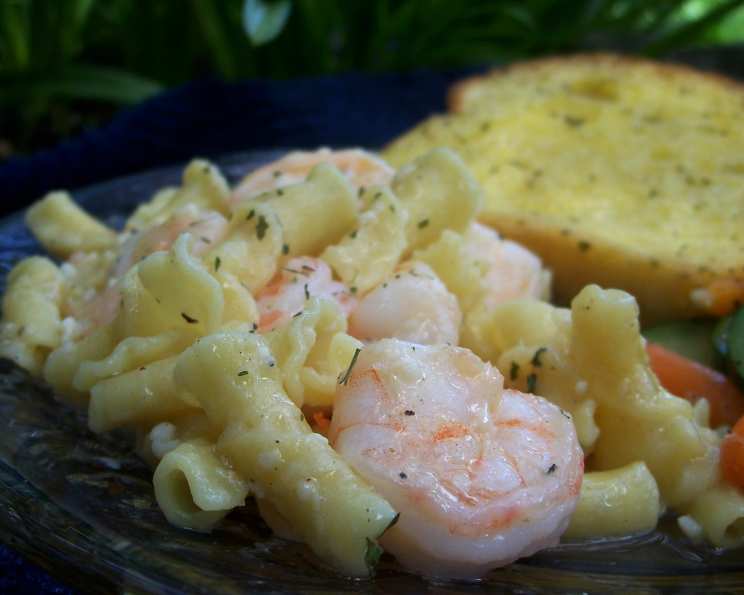
Garlic Pasta With Shrimp: A Symphony of Flavor
I remember the first time I made garlic shrimp pasta. It was a weeknight, I was utterly exhausted, and staring into a fridge that felt emptier than it actually was. A lone bag of shrimp caught my eye, and suddenly, a childhood memory surfaced: my grandmother’s tiny kitchen, the intoxicating aroma of garlic sizzling in olive oil, and the sheer joy of twirling pasta around my fork. It was a culinary lighthouse guiding me towards a simple, comforting, and utterly satisfying meal. That night, I rediscovered the magic of garlic shrimp pasta, and it’s been a staple in my kitchen ever since.
Recipe Overview
- Prep Time: 10 minutes
- Cook Time: 10 minutes
- Total Time: 20 minutes
- Servings: 2-4
- Yield: Varies by serving size
- Dietary Type: Not specified, but can be adapted to be gluten-free
Ingredients
- 8 ounces Barilla Campanelle pasta
- 1 teaspoon Kosher salt
- 6 tablespoons Olive oil
- 1 lb Large shrimp, fresh raw, peeled and deveined
- 2 tablespoons Minced garlic
- 1/2 cup Parmesan cheese, grated
- 1/4 teaspoon All purpose Greek seasoning
- 1/4 teaspoon Parsley flakes
- 1/4 teaspoon Sea salt
- 1/8 teaspoon Black pepper
- Water
Equipment Needed
- Large pot
- Large skillet
- Colander
Instructions
- In a large pot, bring water and kosher salt to a boil. The kosher salt seasons the pasta from the inside out, so don’t skip this step!
- Add the Barilla Campanelle pasta and cook for 8 to 10 minutes, or until the pasta is cooked to your liking (al dente is recommended!). Campanelle pasta, with its bellflower shape, is excellent for capturing the delicious sauce.
- Drain the pasta in a colander and run cold water over it to stop the cooking process. Let the pasta drain well and set aside. This prevents it from becoming sticky.
- In a large skillet, heat the olive oil over medium heat. Make sure the skillet is large enough to accommodate all the shrimp and pasta later.
- Add the fresh raw shrimp to the skillet and sprinkle with sea salt.
- Stir the shrimp to combine, cooking for 5-10 minutes, or until the shrimp has turned a light pink and are cooked through. The exact time will depend on the size of the shrimp, so keep an eye on them. Overcooked shrimp can become rubbery.
- Add the minced garlic to the skillet and stir well to combine the flavors. Be careful not to let the minced garlic brown or burn, as this will make it bitter. Reduce the heat slightly if necessary.
- Turn the heat off from the stove. This is crucial to prevent the garlic from burning as you add the remaining ingredients.
- Add the cooked pasta to the skillet and stir well to combine it with the shrimp and garlic. Ensure the pasta is evenly coated with the flavorful oil.
- Add the Greek seasoning, black pepper, parsley flakes, and Parmesan cheese. Stir well to combine all the ingredients thoroughly. The Parmesan cheese will melt slightly from the residual heat, creating a creamy coating.
- Serve hot immediately.
Expert Tips & Tricks
- Garlic Prep is Key: Use freshly minced garlic for the best flavor. Pre-minced garlic often lacks the same punch.
- Don’t Overcook the Shrimp: Shrimp cooks quickly. Watch them closely and remove them from the heat as soon as they turn pink and opaque.
- Pasta Water: Before draining the pasta, reserve about 1/2 cup of the starchy pasta water. This can be added to the sauce if it seems too dry, helping the sauce cling to the pasta.
- Spice it Up: For a little heat, add a pinch of red pepper flakes along with the garlic.
- Lemon Zest: A squeeze of fresh lemon juice and a bit of lemon zest added at the end brightens up the dish and adds a refreshing tang.
- Make Ahead Prep: You can peel and devein the shrimp ahead of time and store it in the refrigerator. Mince the garlic in advance as well. This will significantly reduce your cooking time when you’re ready to assemble the dish.
Serving & Storage Suggestions
Serve the garlic pasta with shrimp hot and garnish with extra grated Parmesan cheese and a sprinkle of fresh parsley for a pop of color. Garlic toast or steamed vegetables are excellent side dishes to complement the pasta.
Leftovers can be stored in an airtight container in the refrigerator for up to 3 days. To reheat, gently warm the pasta in a skillet over medium-low heat, adding a splash of olive oil or water if needed to prevent it from drying out. Microwaving is also an option, but the texture may not be as good. Freezing is not recommended as the pasta and shrimp can become mushy upon thawing.
Nutritional Information
| Nutrient | Amount per Serving | % Daily Value |
|---|---|---|
| Calories | 532 kcal | N/A |
| Total Fat | 25.85 g | 39.5% |
| Saturated Fat | 5.25 g | 26% |
| Cholesterol | 154.25 mg | 51% |
| Sodium | 1421 mg | 59% |
| Total Carbohydrate | 45.6 g | 15% |
| Dietary Fiber | 2 g | 7.5% |
| Sugars | 1.7 g | N/A |
| Protein | 28 g | 56% |
Nutritional information is an estimate and may vary based on specific ingredients and portion sizes.
Variations & Substitutions
- Gluten-Free: Use gluten-free pasta instead of traditional pasta. There are many high-quality gluten-free pasta options available.
- Vegetarian: Omit the shrimp and add sautéed mushrooms, zucchini, or bell peppers.
- Dairy-Free: Skip the Parmesan cheese or use a dairy-free Parmesan alternative. Nutritional yeast can also provide a cheesy flavor.
- Pesto: Add a spoonful of pesto to the finished pasta for a burst of fresh basil flavor.
- Spicy: Add a pinch of red pepper flakes to the garlic while sautéing for a spicy kick.
- Wine Sauce: Deglaze the pan with a splash of white wine after cooking the shrimp for a richer flavor.
- Lemon Garlic Shrimp Pasta: Add lemon zest and lemon juice at the end for a zesty variation.
FAQs (Frequently Asked Questions)
Q: Can I use frozen shrimp?
A: Yes, you can use frozen shrimp. Make sure to thaw them completely before cooking and pat them dry to ensure they brown properly.
Q: How do I prevent the garlic from burning?
A: Keep the heat at medium and stir the garlic frequently. Watch it closely, and if it starts to brown too quickly, reduce the heat or turn it off completely before adding the pasta.
Q: Can I add vegetables to this dish?
A: Absolutely! Sautéed vegetables like spinach, zucchini, or bell peppers would be a delicious addition. Add them to the skillet after the shrimp is cooked.
Q: What kind of Parmesan cheese should I use?
A: Freshly grated Parmesan cheese is best for flavor and texture. Avoid using pre-shredded Parmesan, which often contains cellulose that prevents it from melting properly.
Q: Can I make this dish ahead of time?
A: While the dish is best served fresh, you can prepare the shrimp and pasta separately ahead of time. Store them in the refrigerator and combine them when you’re ready to serve.
Final Thoughts
Garlic pasta with shrimp is more than just a quick weeknight meal; it’s a celebration of simple flavors and comforting textures. It’s a reminder that sometimes, the most satisfying dishes are the ones that are made with love and a few good ingredients. So, gather your ingredients, turn up the music, and let the aroma of garlic and shrimp fill your kitchen. I encourage you to try this recipe, experiment with variations, and share your creations with friends and family. Buon appetito!