
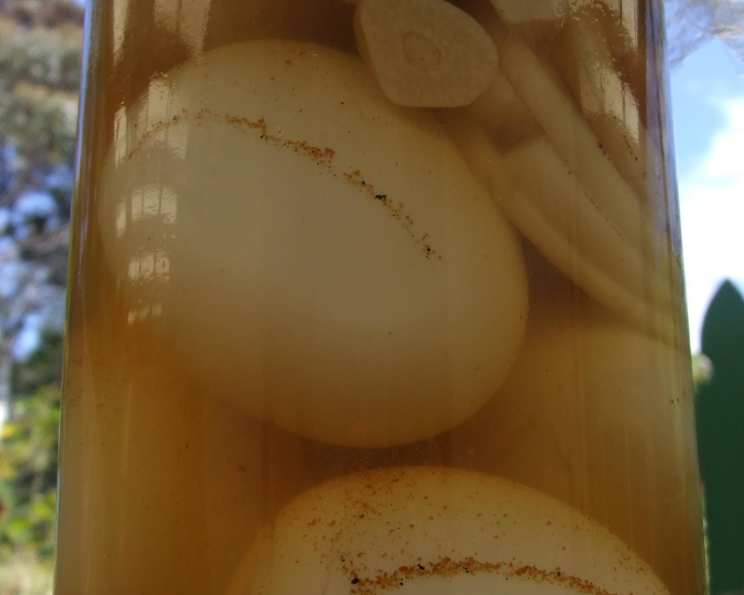
Garlic Pickled Eggs: A Chef’s Nostalgic Twist on a Classic
I can still remember the distinct, vinegary aroma wafting from my grandmother’s refrigerator. Nestled amongst the jars of homemade preserves and forgotten leftovers were her famous pickled eggs. As a kid, I wasn’t a huge fan of hard-boiled eggs, but something magical happened when they spent a week swimming in her secret brine, infused with garlic, beets, and a hint of something spicy. The vibrant pink hue and the surprisingly tangy flavor transformed them into an irresistible snack. This recipe is my homage to her – a little bolder, a little garlickier, but still carrying that comforting memory of her kitchen.
Recipe Overview
- Prep Time: 20 minutes
- Cook Time: 10 minutes
- Total Time: 7 days, 20 minutes (includes chilling time)
- Servings: 12
- Yield: 12 eggs
- Dietary Type: Gluten-Free, Dairy-Free
Ingredients
- 12 large hard-boiled eggs (peeled and cooled)
- 1 medium onion, sliced
- 1 cup distilled white vinegar
- 1 cup beet juice (or use water)
- ½ teaspoon salt
- ¼ cup white sugar
- 8 large fresh garlic cloves
- 1 pinch cayenne pepper (optional)
Equipment Needed
- 1-quart glass jar with lid
- Saucepan
- Measuring cups and spoons
Instructions
- Begin by preparing your eggs. Ensure they are thoroughly hard-boiled, peeled, and allowed to cool completely. Cooling is important to prevent the eggs from becoming rubbery during the pickling process.
- In a clean 1-quart glass jar, carefully layer the peeled eggs with the sliced onion. Distribute the onion evenly throughout the jar.
- In a saucepan, combine the beet juice (or water, if using), distilled white vinegar, salt, sugar, and garlic cloves. If you desire a spicier egg, now is the time to add a pinch of cayenne pepper to the mixture.
- Bring the mixture to a boil over medium heat, stirring continuously for a couple of minutes, or until the sugar and salt are completely dissolved. Ensure no granules remain at the bottom of the pan.
- Remove the saucepan from the heat and allow the vinegar mixture to cool completely. This step is crucial; pouring hot liquid over the eggs can negatively impact their texture. This should take approximately 30 minutes.
- Once the vinegar mixture has cooled, carefully pour it over the eggs and onions in the jar. Ensure that the eggs are fully submerged in the liquid. If needed, add a little more vinegar or beet juice (or water) to ensure full coverage.
- Cover the jar tightly with a lid.
- Refrigerate the jar for a minimum of 7 days before consuming. This allows the eggs to fully absorb the flavors of the brine. Patience is key! The longer they sit, the more flavorful they become.
Expert Tips & Tricks
- Garlic Intensity: For an even more intense garlic flavor, you can lightly crush the garlic cloves before adding them to the brine. This releases more of their pungent oils. Feel free to add more than 8 cloves!
- Visual Appeal: Using beet juice not only adds a subtle sweetness but also gives the eggs a beautiful, vibrant pink color. If you prefer a more traditional appearance, use water instead.
- Spice Level: Adjust the amount of cayenne pepper to your preference. A small pinch provides a gentle warmth, while a larger pinch will add a noticeable kick. You can also experiment with other spices, such as red pepper flakes or a dash of hot sauce.
- Onion Variety: While a standard yellow onion works well, you can also try using red onion for a slightly sweeter and more colorful result.
- Brine Flavor Boost: Consider adding a bay leaf or a few peppercorns to the brine for added depth of flavor.
- Perfect Hard-Boiled Eggs: To ensure your eggs are perfectly hard-boiled, place them in a saucepan covered with cold water. Bring the water to a rolling boil, then remove the pan from the heat, cover, and let sit for 10-12 minutes. Immediately transfer the eggs to an ice bath to stop the cooking process and make them easier to peel.
Serving & Storage Suggestions
Garlic pickled eggs are a versatile snack or appetizer. Serve them chilled straight from the jar, sliced on crackers, or as part of a charcuterie board. They are also a great addition to salads or deviled egg recipes for an extra burst of flavor.
Store the garlic pickled eggs in the refrigerator in their brine for up to 2 weeks. Ensure the eggs remain fully submerged in the liquid. It is not recommended to freeze pickled eggs, as this can significantly alter their texture. It is best to keep them refrigerated. Do not leave the jar at room temperature for more than 2 hours.
Nutritional Information
Please note that these are estimates and may vary based on specific ingredients used.
| Nutrient | Amount per Serving | % Daily Value |
|---|---|---|
| Calories | 85 kcal | 4% |
| Total Fat | 5g | 6% |
| Saturated Fat | 2g | 10% |
| Cholesterol | 210mg | 70% |
| Sodium | 160mg | 7% |
| Total Carbohydrate | 2g | 1% |
| Dietary Fiber | 0g | 0% |
| Sugars | 2g | 4% |
| Protein | 6g | 12% |
Variations & Substitutions
- Different Vinegars: Experiment with different types of vinegar, such as apple cider vinegar or red wine vinegar, for a slightly different flavor profile.
- Sweetener Alternatives: If you prefer a less sweet pickle, you can reduce the amount of sugar or substitute it with a natural sweetener like honey or maple syrup. Start with half the amount and adjust to taste.
- Vegetable Medley: Add other vegetables to the jar along with the onions, such as sliced carrots, bell peppers, or jalapenos, for a more complex flavor and texture.
- Herb Infusion: Infuse the brine with fresh herbs like dill, thyme, or rosemary for an aromatic twist. Add the herbs to the saucepan along with the other ingredients and remove them before pouring the brine over the eggs.
- Spicy Heat: Instead of cayenne, consider adding other spicy elements like thinly sliced jalapeños, a few drops of your favorite hot sauce, or even a dried chili pepper to the brine.
FAQs (Frequently Asked Questions)
Q: Can I use brown eggs instead of white eggs?
A: Absolutely! The type of egg you use doesn’t affect the pickling process. Brown eggs and white eggs will both absorb the flavors of the brine equally well.
Q: How long do the pickled eggs need to chill before I can eat them?
A: While they’re technically safe to eat after a few days, the flavor really develops after about 7 days of chilling in the refrigerator. The longer they sit, the better!
Q: Can I reuse the brine after the eggs are gone?
A: It’s not recommended to reuse the brine, as it may have absorbed bacteria from the eggs. It’s best to discard it after the eggs are consumed.
Q: My eggs turned out rubbery. What did I do wrong?
A: Overcooking the eggs initially or pouring the hot brine over them can cause them to become rubbery. Be sure to cook the eggs until they are just hard-boiled and allow the brine to cool completely before pouring it over the eggs.
Q: How do I know if the pickled eggs have gone bad?
A: If the eggs develop an off-odor, appear slimy, or the brine becomes cloudy, it’s best to discard them. Always err on the side of caution when it comes to food safety.
Final Thoughts
Garlic pickled eggs are more than just a snack; they’re a delightful burst of flavor and a reminder of simple, homemade goodness. Don’t be intimidated by the waiting time – the reward is well worth it. I encourage you to try this recipe and make it your own. Experiment with different spices and vegetables to create a unique flavor that you love. And most importantly, share them with friends and family and let them experience the joy of this tangy, garlicky treat! Consider serving these alongside a crisp pilsner or a hearty rye bread. Bon appétit!